


News
▲
Prefab Buildings: The Future of Sustainable Construction?
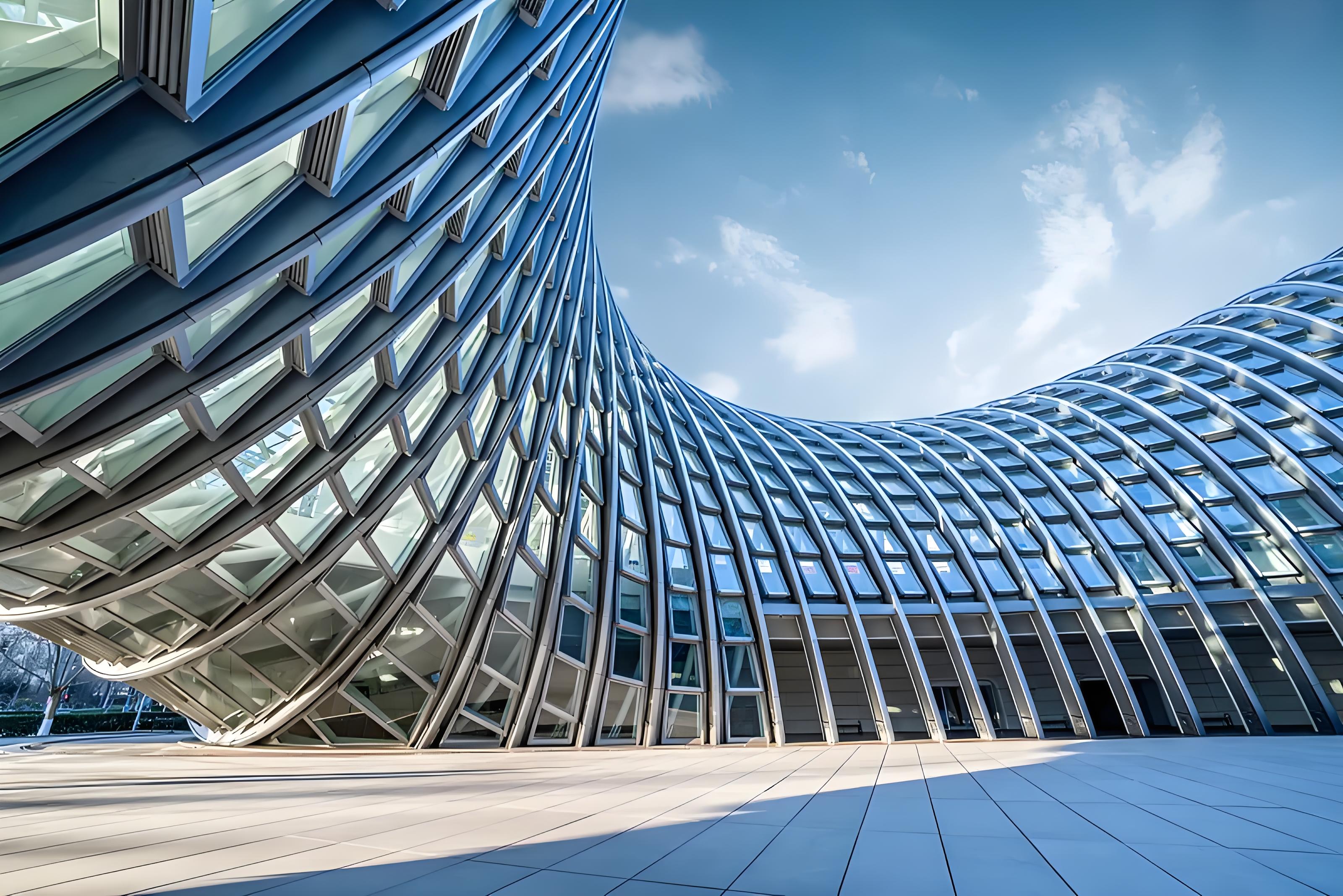
Prefab Buildings: The Future of Sustainable Construction?
Prefab buildings are transforming the construction industry with their speed, efficiency, and sustainability. Utilizing steel structures—both light and heavy—these buildings offer unparalleled advantages in durability, cost-effectiveness, and environmental impact. This article delves into the future of prefab construction, highlighting key technologies, market trends, and why steel remains the material of choice for modern projects.
What Are Prefab Buildings?
Prefab buildings, short for prefabricated buildings, are structures manufactured off-site in sections and then assembled on-site. This method contrasts with traditional construction, where materials are brought to the site and built from scratch. Prefab buildings often use steel structures, including light steel, heavy steel, and space frame structures, to ensure strength and flexibility.
Benefits of Steel Structures in Prefab Construction
Steel structures are the backbone of modern prefab buildings. Here’s why:
- Durability: Steel is resistant to pests, fire, and extreme weather, making it ideal for long-lasting structures.
- Speed of Construction: Prefabricated steel components can be assembled quickly, reducing project timelines by up to 50%.
- Cost-Effectiveness: Reduced labor and material waste translate to significant savings.
- Sustainability: Steel is 100% recyclable, aligning with green building standards like LEED and BREEAM.
Types of Steel Structures in Prefab Buildings
Market Trends and Growth
The global prefab building market is projected to grow at a CAGR of 6.5% from 2023 to 2030, driven by urbanization and the need for sustainable solutions. Steel structures dominate this market due to their adaptability and performance. Countries like the U.S., China, and Germany lead in adoption, with industries ranging from residential to commercial and industrial sectors.
Why Choose Steel for Your Next Project?
Steel structures offer unmatched advantages for prefab buildings. Whether you need a light steel structure for a quick office setup or a heavy steel framework for an industrial plant, steel ensures quality and longevity. Our expertise in large steel structure processing and prefabricated buildings guarantees that your project meets the highest standards while staying within budget.
Common Misconceptions About Prefab Buildings
Many believe prefab buildings lack customization or durability. However, modern techniques allow for bespoke designs and robust steel frameworks that outperform traditional methods. Prefab doesn’t mean compromising on aesthetics or strength.
Case Study: A Sustainable Office Complex
A recent project involved constructing a 50,000 sq ft office complex using prefab steel structures. The building was completed in 4 months—half the time of conventional methods—and achieved LEED Platinum certification. The client saved 20% on costs and reduced carbon emissions by 30%.
FAQs About Prefab Buildings
- Are prefab buildings cheaper? Yes, due to reduced labor and material waste.
- How long do steel structures last? Over 50 years with proper maintenance.
- Can prefab buildings be customized? Absolutely, designs are flexible to meet client needs.
Future of Prefab Construction
Innovations like 3D printing and smart steel components are set to revolutionize prefab construction. These advancements will further reduce costs and construction times while enhancing sustainability.
Why Work With Us?
We specialize in large steel structure processing and prefabricated buildings, delivering quality projects tailored to customer needs. Our team ensures every structure is built to last, combining expertise with cutting-edge technology. Contact us today to discuss your next project!
Related Posts
- ▶ How to Select the Best Steel Structure for Your Needs
- ▶ Light Steel Structures: Perfect for Fast-Track Projects
- ▶ Prefab Buildings: The Future of Sustainable Construction?
- ▶ Steel vs. Traditional Warehouses: Cost-Benefit Analysis for Procurement Teams
- ▶ Steel Structures: Meeting Client Demands with Precision
- ▶ 5 Signs You Need a High-Quality Steel Structure Supplier
Send Us A Message