


News
▲
Steel Structures: Meeting Client Demands with Precision
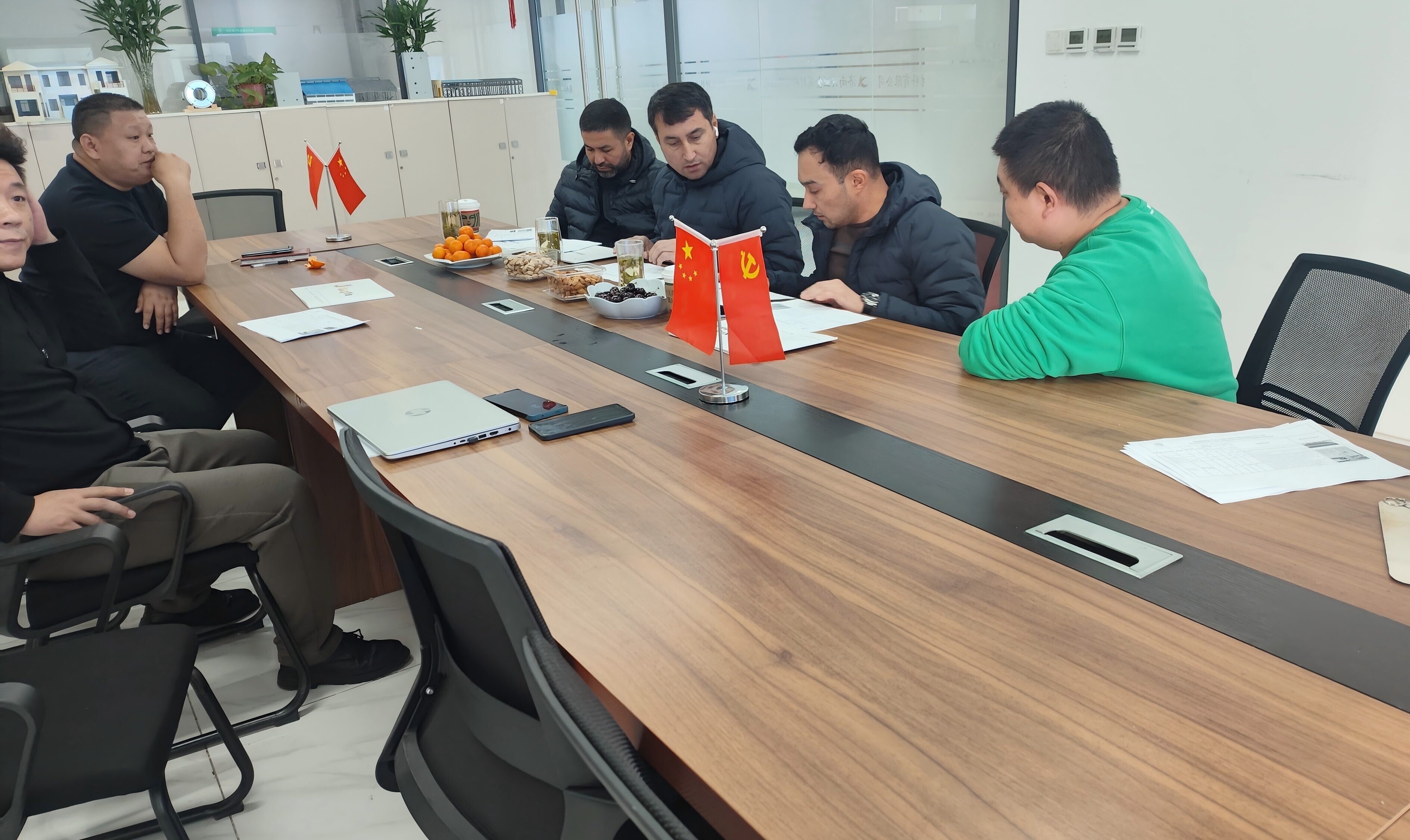
Steel Structures: Meeting Client Demands with Precision
In the rapidly evolving construction industry, steel structures have become a cornerstone for modern architectural projects. Their versatility, durability, and cost-effectiveness make them the preferred choice for builders and developers aiming to meet stringent client demands with precision. This article delves into the various types of steel structures, their applications, and how they can be tailored to deliver superior project outcomes.
Types of Steel Structures
Steel structures are broadly categorized into several types, each designed to meet specific construction needs:
- Light Steel Structures: Ideal for residential buildings, small commercial spaces, and temporary structures due to their lightweight and ease of assembly.
- Heavy Steel Structures: Used in large-scale industrial projects like factories, warehouses, and bridges, offering unmatched strength and load-bearing capacity.
- Space Frame Structures: Commonly seen in stadiums, airports, and exhibition halls, these structures provide large open spaces without internal columns.
- Prefabricated Steel Structures: These modular solutions are gaining popularity for their quick assembly and reduced construction time.
Applications in Modern Construction
Steel structures are revolutionizing the construction industry with their adaptability across various sectors:
Technical Specifications and Standards
Quality steel structures adhere to international standards such as:
- ASTM A36 for structural steel
- EN 10025 for European standards
- ISO 630 for structural steel plates
These standards ensure the materials meet rigorous requirements for strength, durability, and safety in various applications.
Cost Analysis and ROI
While the initial investment in steel structures might be higher than traditional materials, the long-term benefits significantly outweigh the costs:
- Reduced construction time leads to lower labor costs
- Minimal maintenance requirements over decades of use
- Energy efficiency through better insulation options
- Higher resale value due to structural integrity
Client-Centric Approach in Steel Construction
Meeting client demands requires a comprehensive understanding of project requirements:
- Customization: Tailoring designs to specific functional needs
- Timeline Management: Leveraging prefabrication for faster completion
- Budget Control: Optimizing material usage without compromising quality
- Sustainability: Incorporating eco-friendly practices in fabrication and installation
Industry Trends and Future Outlook
The steel construction industry is witnessing several transformative trends:
Advanced computer-aided design (CAD) systems enable more complex and efficient structural designs. The integration of Building Information Modeling (BIM) allows for better project visualization and coordination. Additionally, the growing emphasis on sustainable construction is driving innovation in recyclable steel components and energy-efficient designs.
Why Choose Professional Steel Structure Services
Partnering with experienced steel structure providers ensures:
- Access to engineering expertise for optimal structural solutions
- Quality assurance through certified fabrication processes
- Comprehensive project management from design to installation
- Ongoing support and maintenance services
For projects demanding precision, durability, and efficiency, steel structures offer the perfect solution to meet and exceed client expectations in today's competitive construction landscape.
Related Posts
- ▶ How to Select the Best Steel Structure for Your Needs
- ▶ Light Steel Structures: Perfect for Fast-Track Projects
- ▶ Prefab Buildings: The Future of Sustainable Construction?
- ▶ Steel vs. Traditional Warehouses: Cost-Benefit Analysis for Procurement Teams
- ▶ Steel Structures: Meeting Client Demands with Precision
- ▶ 5 Signs You Need a High-Quality Steel Structure Supplier
Send Us A Message