Railway Bridge Steel Components
Product Parameters
Product Overview
Railway bridge steel components are not ordinary structural steel parts. They must work under rail traffic loads, repeated vibration, fatigue conditions, wind, temperature changes, outdoor exposure, and strict installation requirements. If a component is not fabricated accurately, the issue may affect track alignment, bolt matching, site assembly, welding work, bearing position, or later maintenance.
At Zhengcheng, we help you turn railway bridge steel structure requirements into a practical fabrication and delivery solution. We can support plate girders, truss members, box girder components, cross beams, floor beams, diaphragms, stiffeners, gusset plates, splice plates, bearing plates, walkway support members, guardrail support parts, surface treatment, export packing, and installation communication.
For railway bridge projects, the real pressure is usually not only price. You need accurate dimensions, reliable welding, clear component marks, traceable materials, coating protection, complete packing lists, and delivery logic that allows the site team to find and assemble the right members quickly. We help control these details before shipment, because correcting bridge components at site is slow, expensive, and risky.
2. Core Advantages
2.1 Built for Railway Bridge Fabrication Requirements
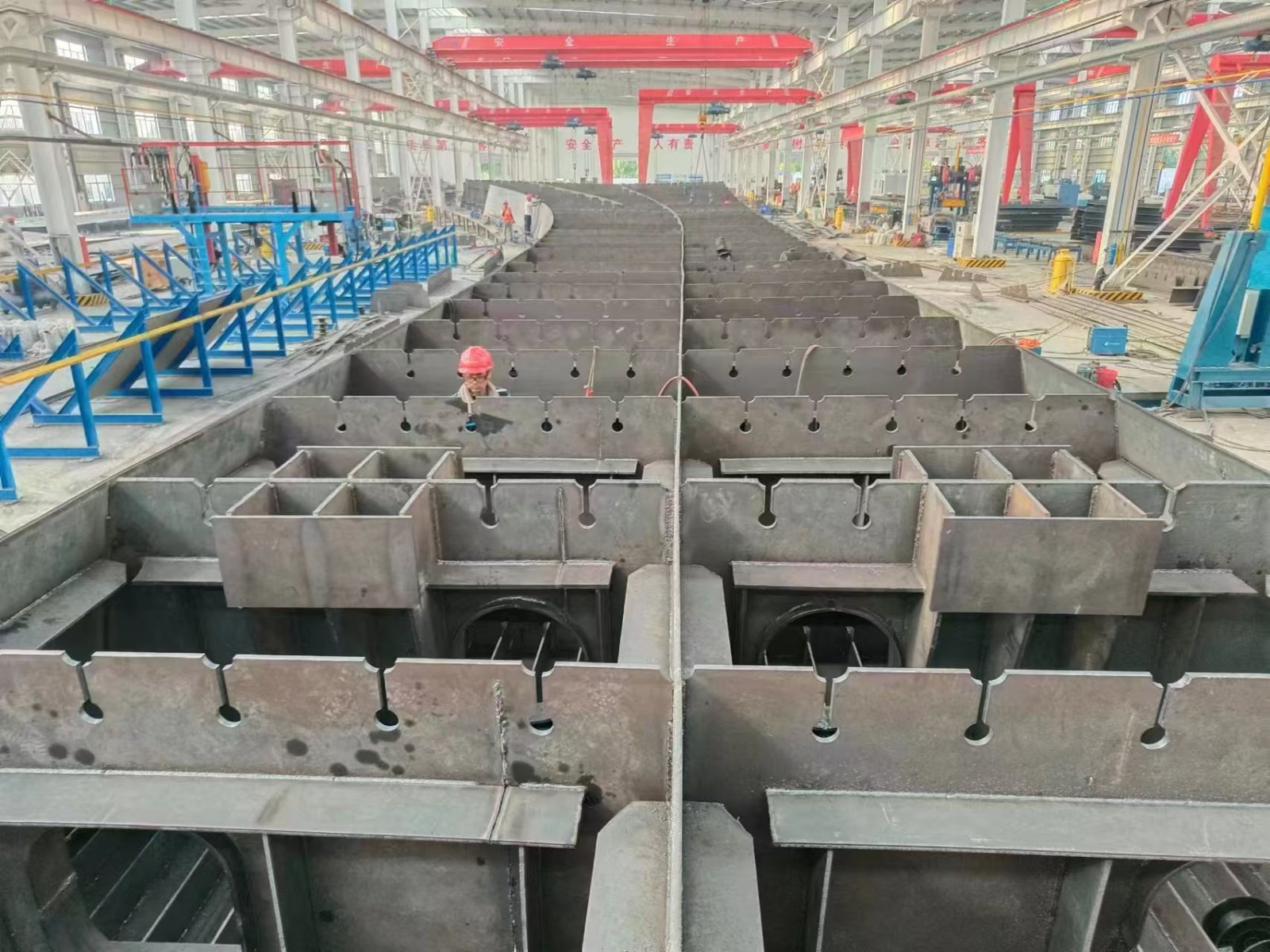
Railway bridge steelwork often requires stricter fabrication control than general building steel. Member length, hole position, splice plate accuracy, gusset plate geometry, stiffener location, welding deformation, straightness, and camber control can all affect site assembly and rail alignment.
2.2 Suitable for Rail Bridges and Rail Infrastructure
These components can be used for railway bridges, rail overpasses, pedestrian bridges near rail systems, maintenance access bridges, temporary rail bridges, and related railway infrastructure. We can fabricate according to your drawings and coordinate the steel component scope with your project documents.
2.3 Better Control of Welding and Bolted Connections
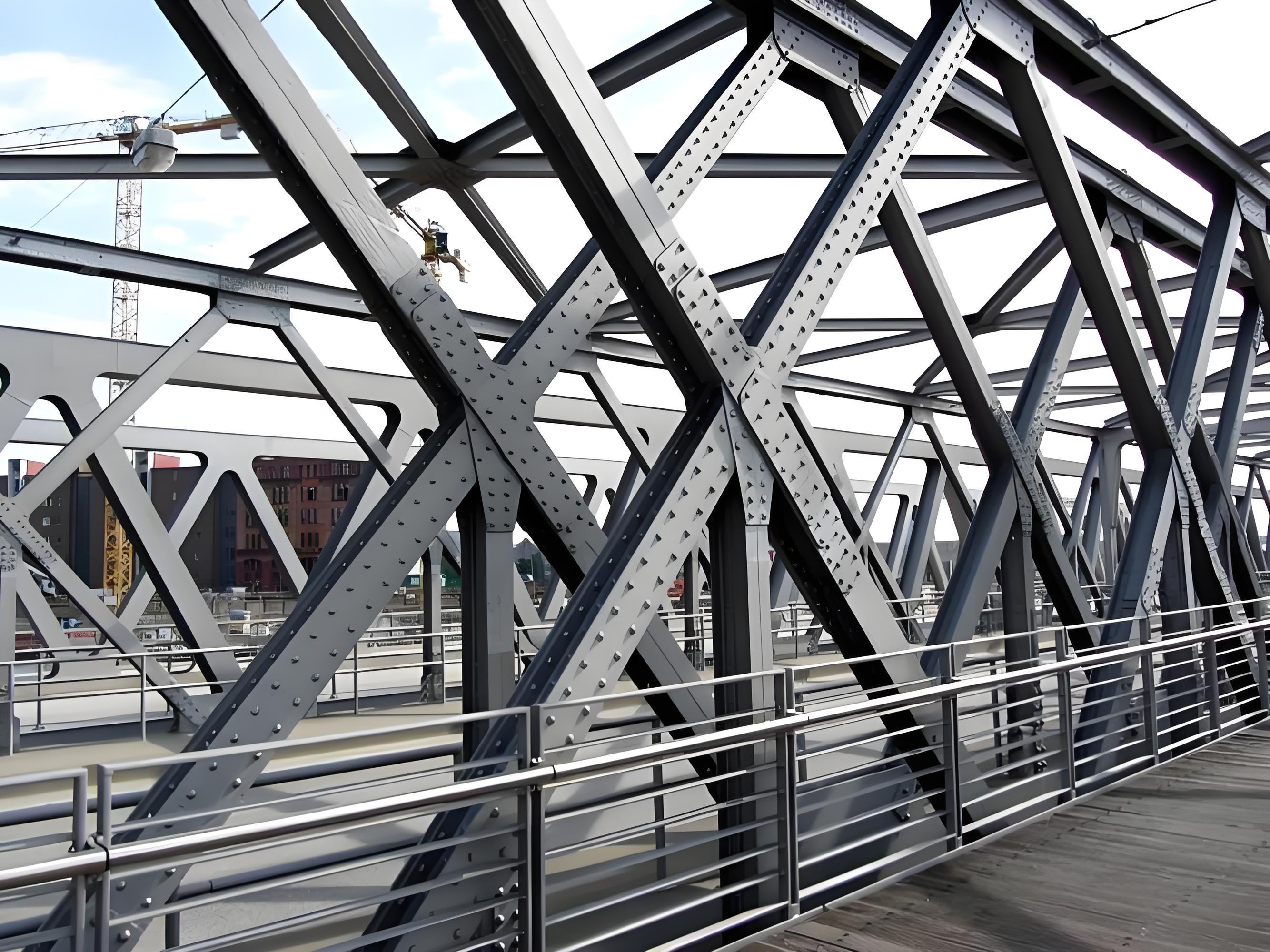
Railway bridge components often include welded joints, bolted splices, diaphragms, truss nodes, gusset plates, stiffeners, and bearing-related details. We can help check welding details, bolt-hole layout, groove preparation, connection plates, and assembly marks before production and shipment.
2.4 Anti-Corrosion Protection for Long-Term Outdoor Service
Railway bridge components are exposed to rain, humidity, temperature changes, industrial dust, coastal air in some regions, and long-term outdoor conditions. Surface treatment can include blasting, zinc-rich primer, epoxy coating systems, polyurethane topcoat, metallizing, or hot-dip galvanizing where applicable.
2.5 Clear Marking and Packing for Site Assembly
Railway bridge projects usually include many similar but non-interchangeable parts. Clear component marks, bundle planning, packing lists, lifting point coordination, and loading sequence help reduce site confusion and avoid delays during assembly.
3. Common Technical Solutions
3.1 Railway Plate Girder Components
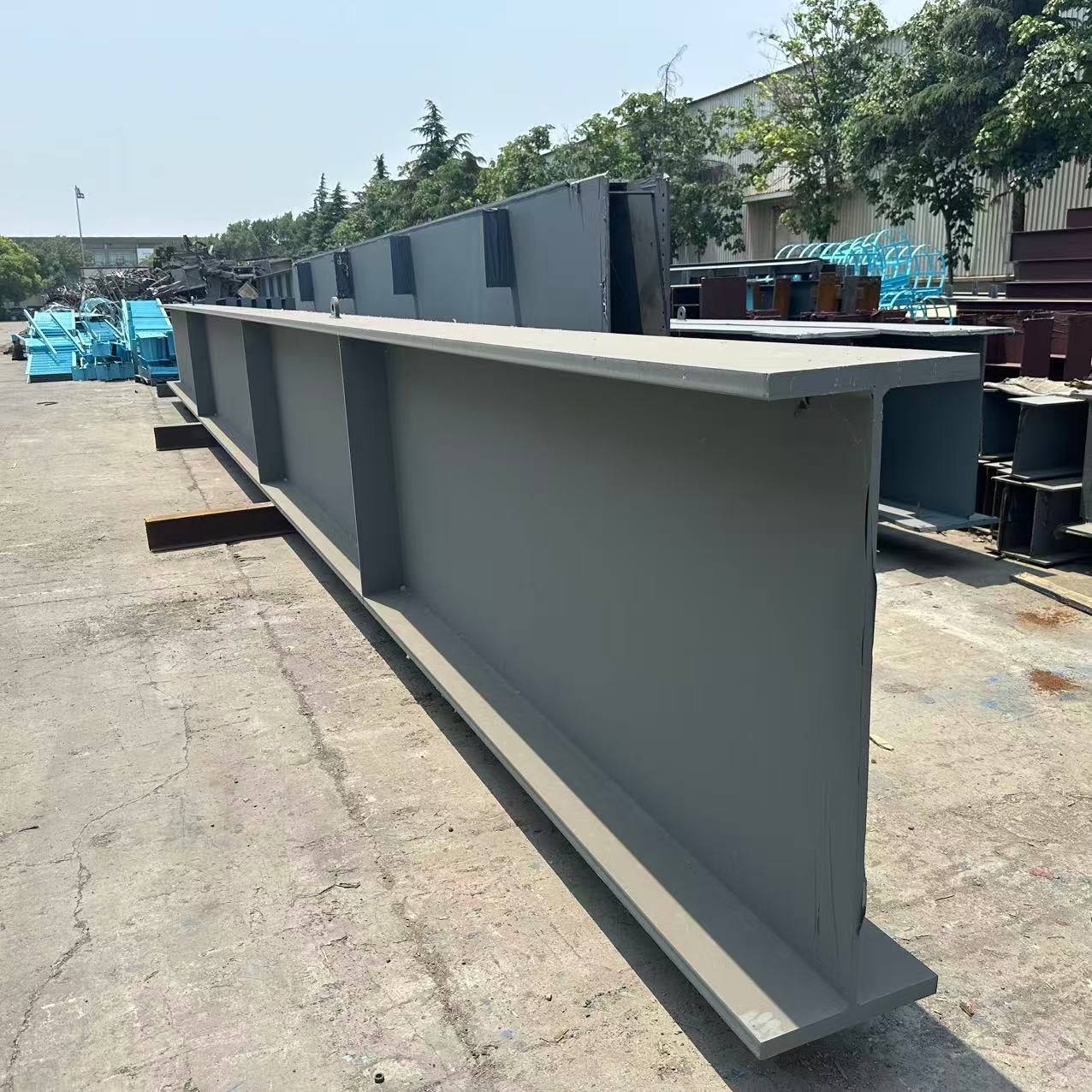
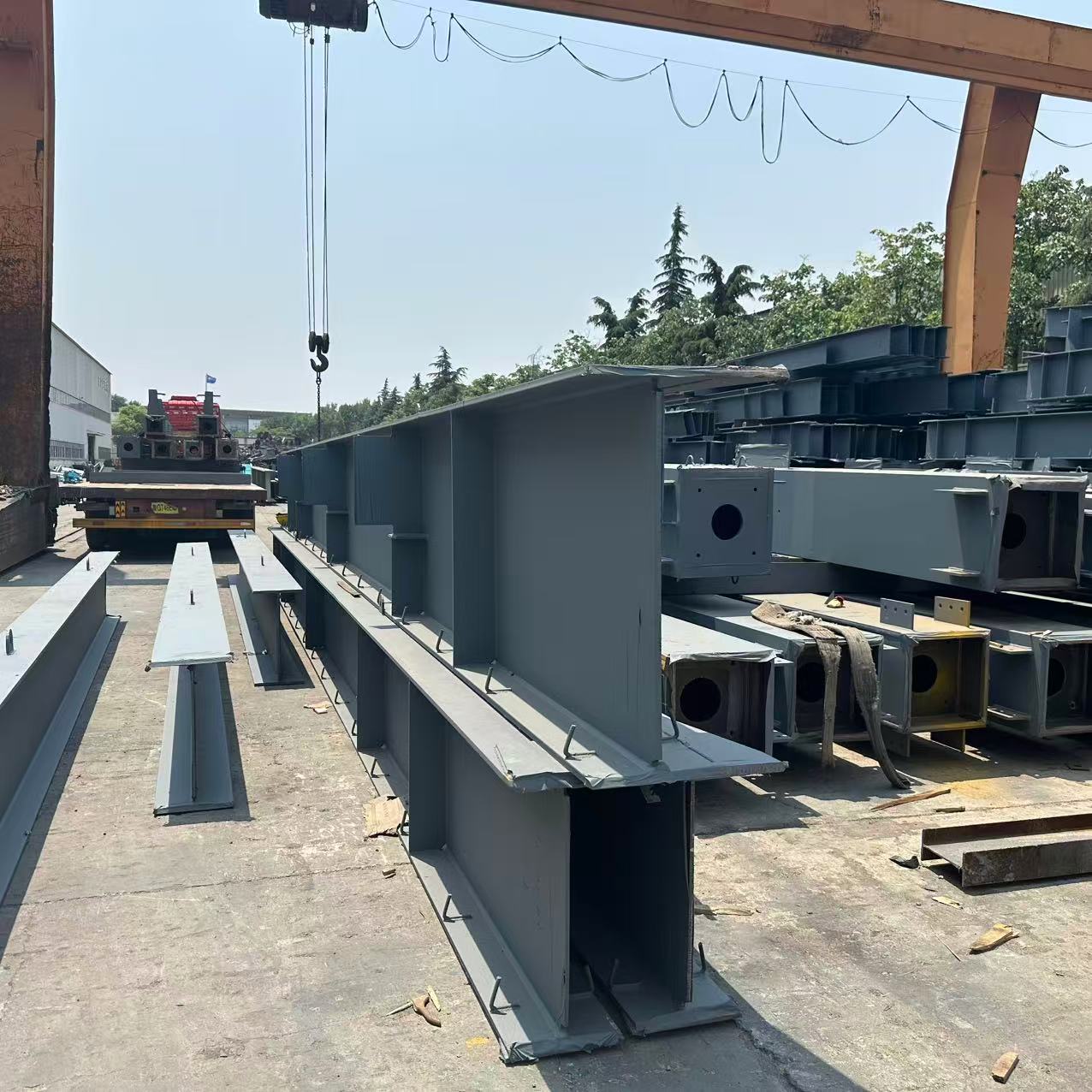
Plate girders are widely used in railway bridge structures. We can help fabricate web plates, flange plates, stiffeners, bearing stiffener areas, splice plates, connection plates, and related girder components according to project drawings.
3.2 Railway Truss Bridge Components
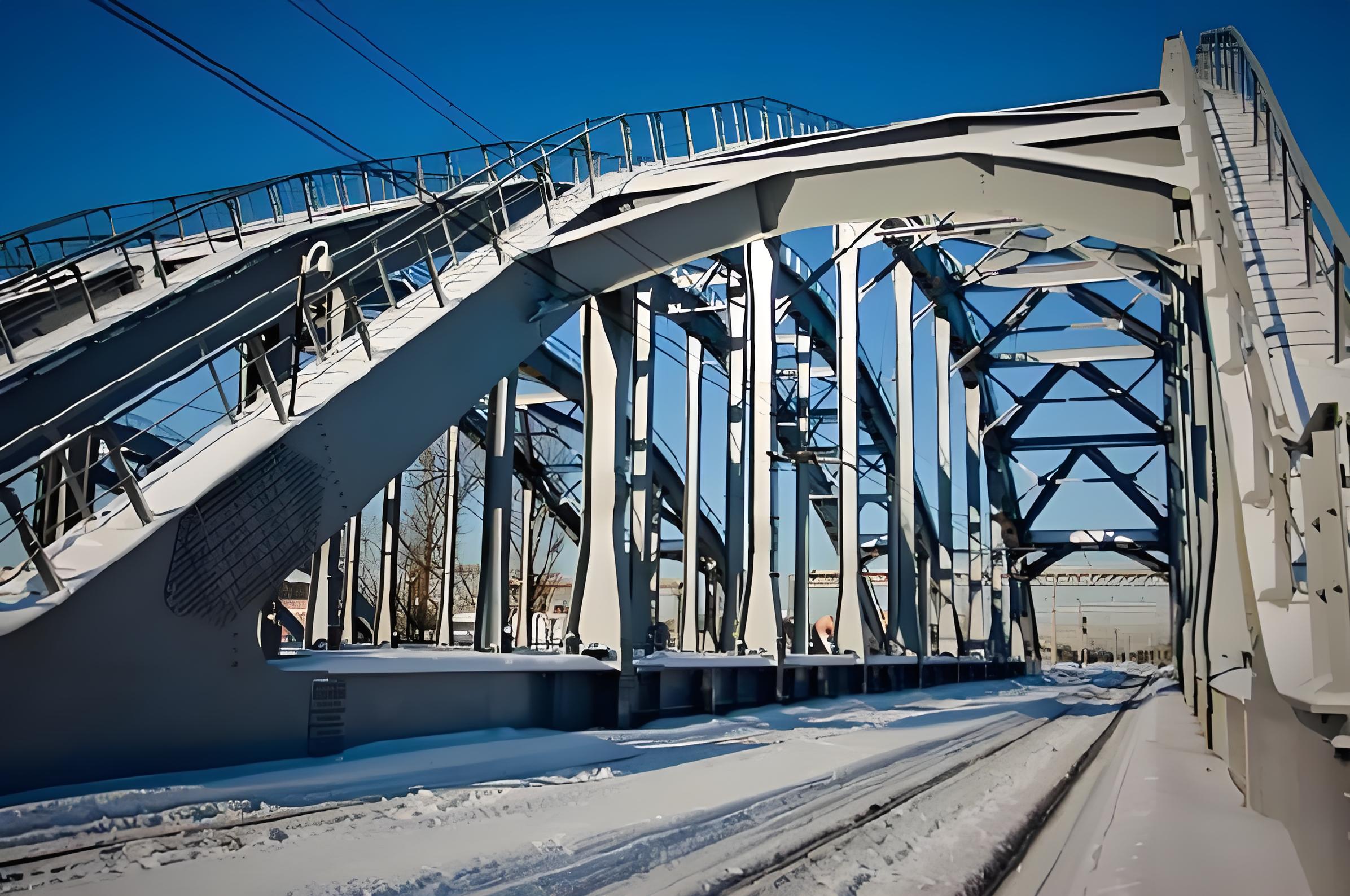
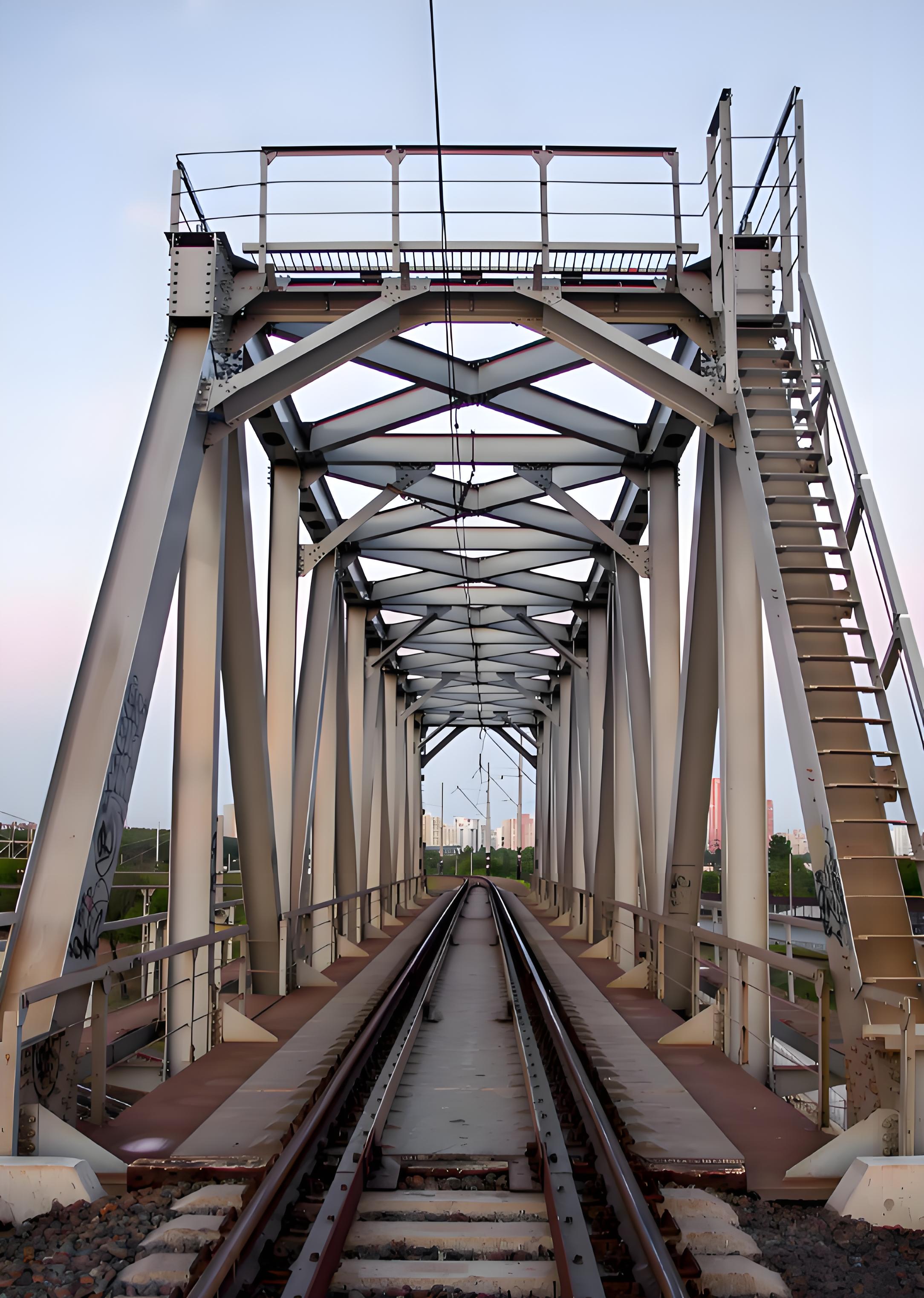
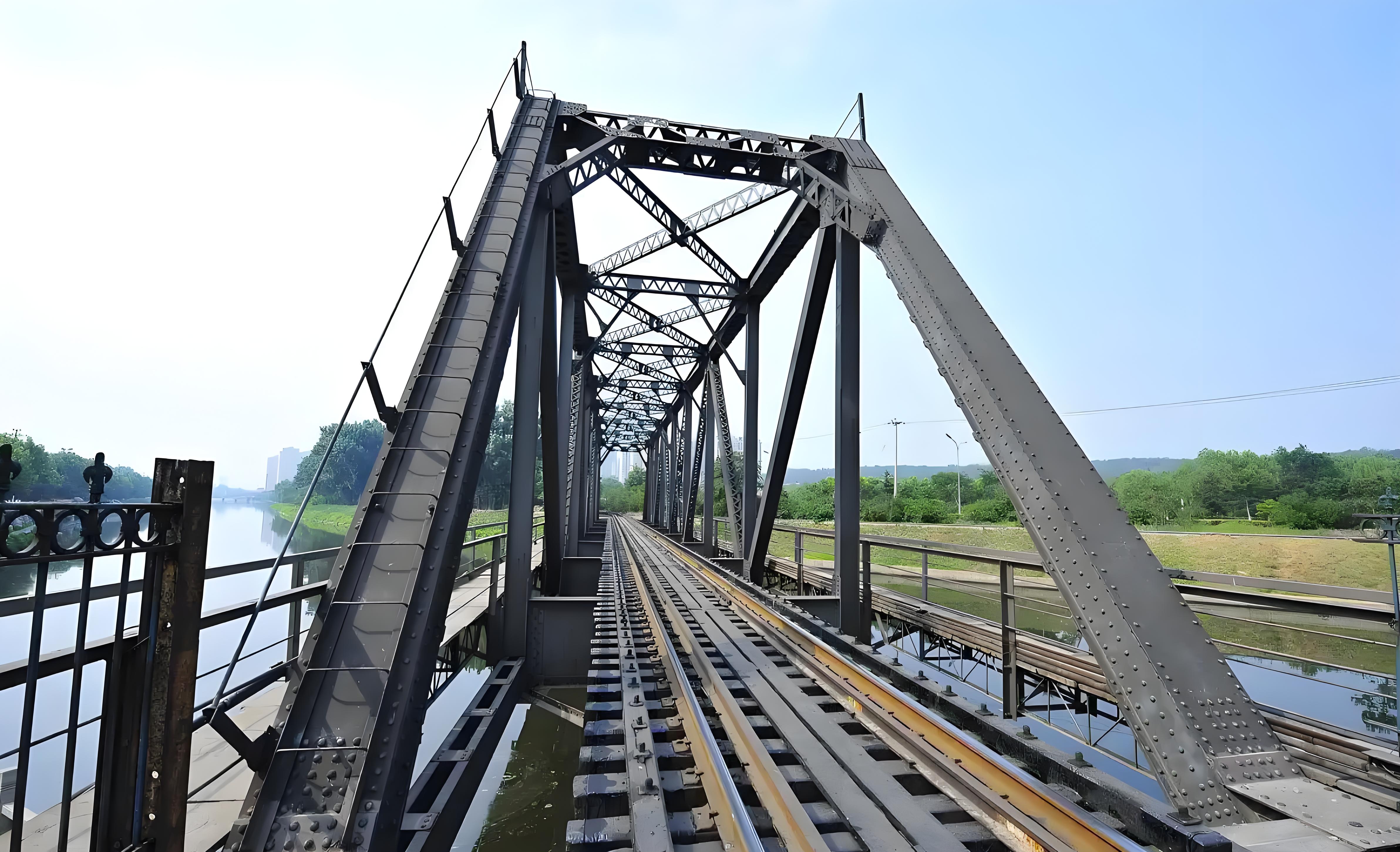
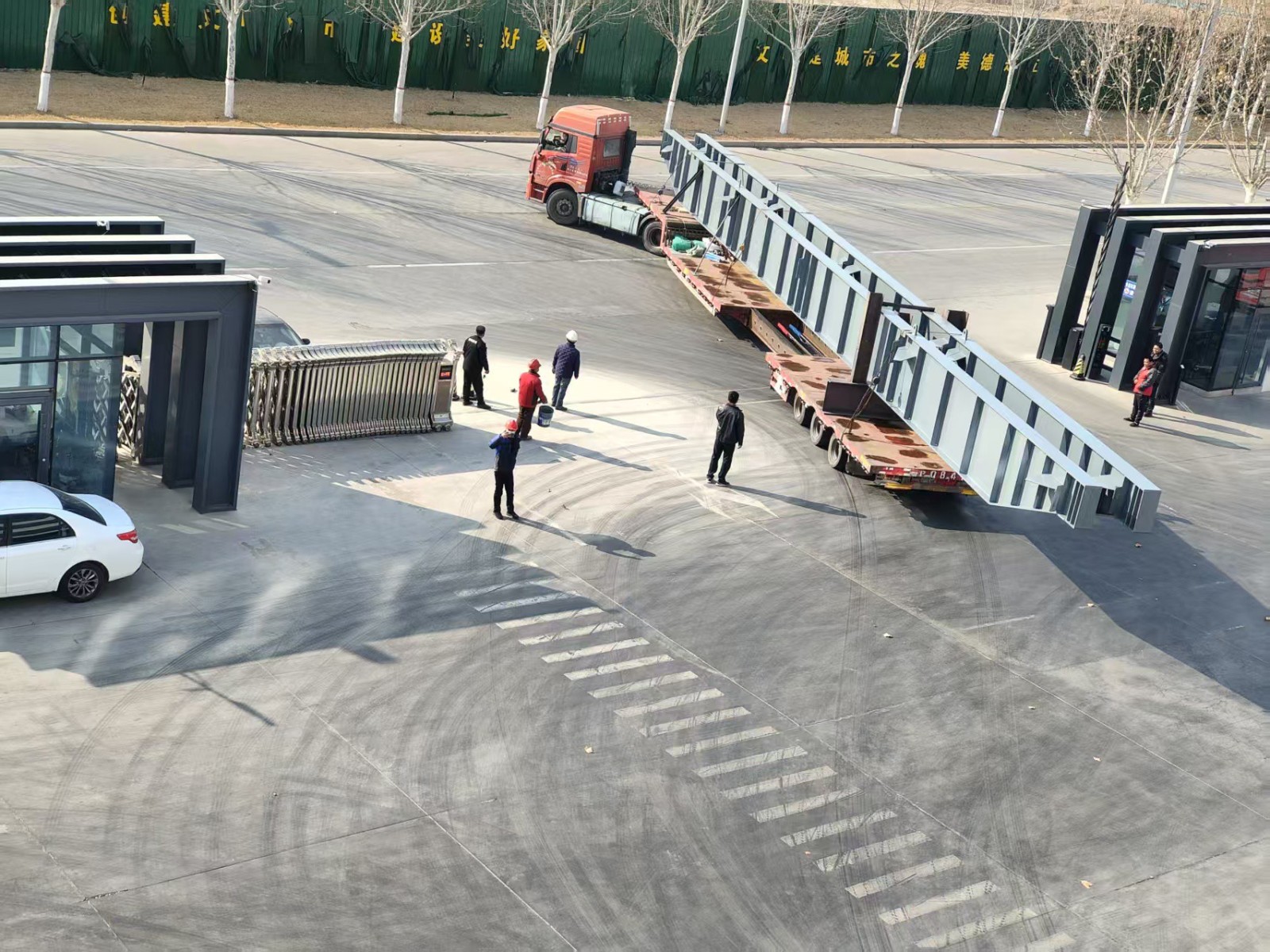
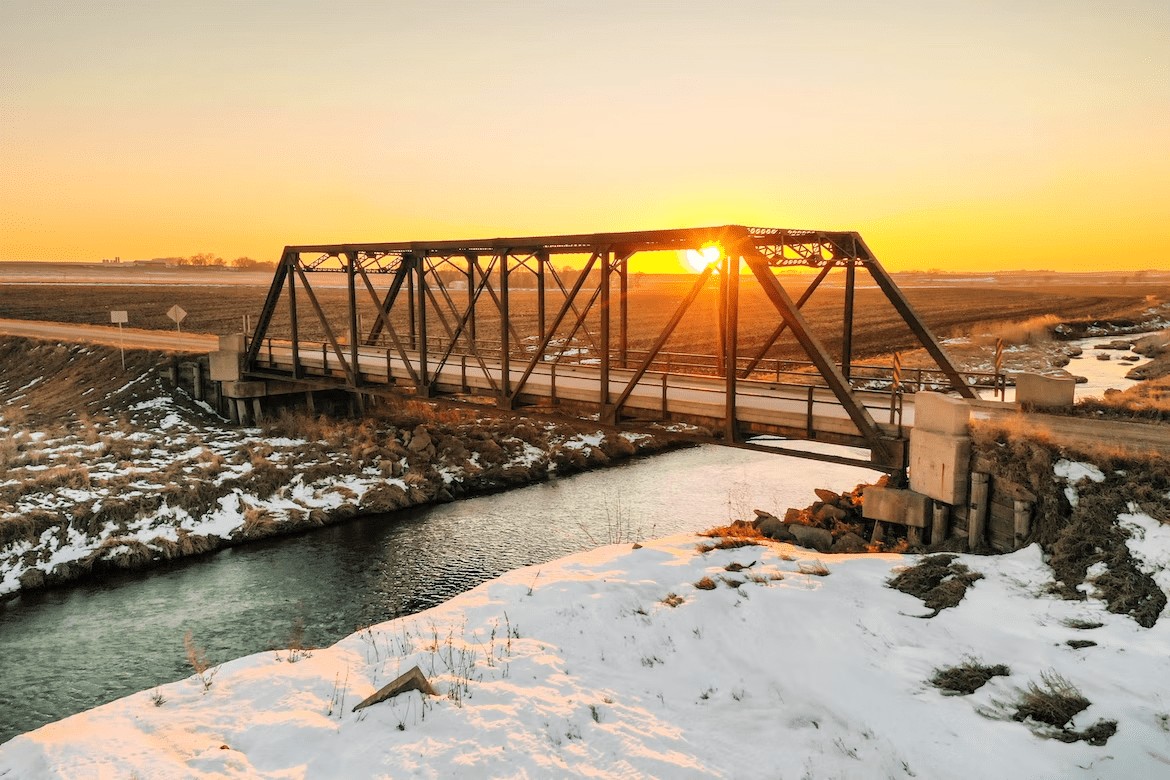
Railway truss bridges require accurate node geometry and member matching. We can help fabricate upper chords, lower chords, vertical members, diagonal members, gusset plates, cross bracing, splice plates, and connection components according to the bridge drawings.
3.3 Railway Box Girder Components
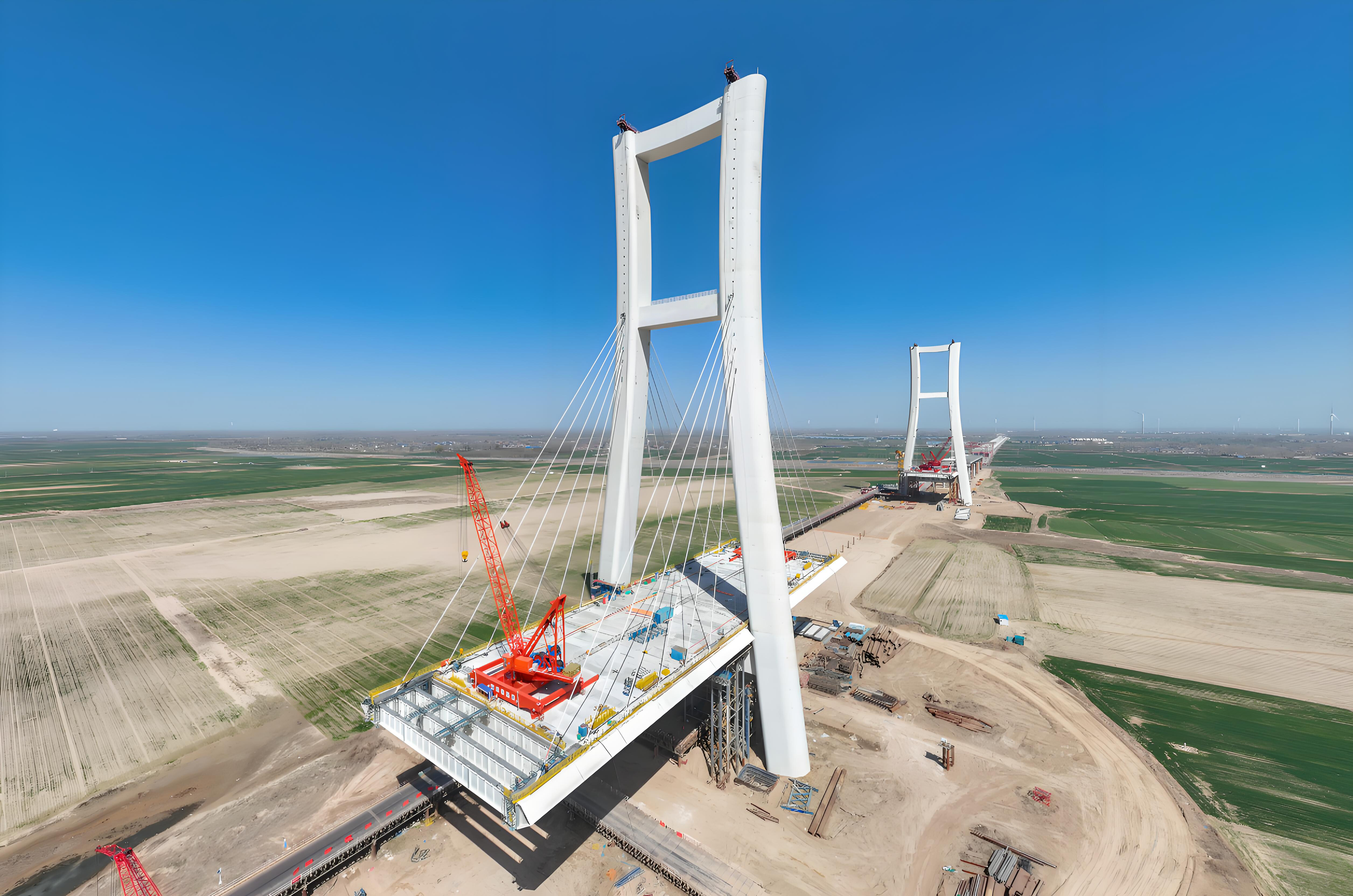
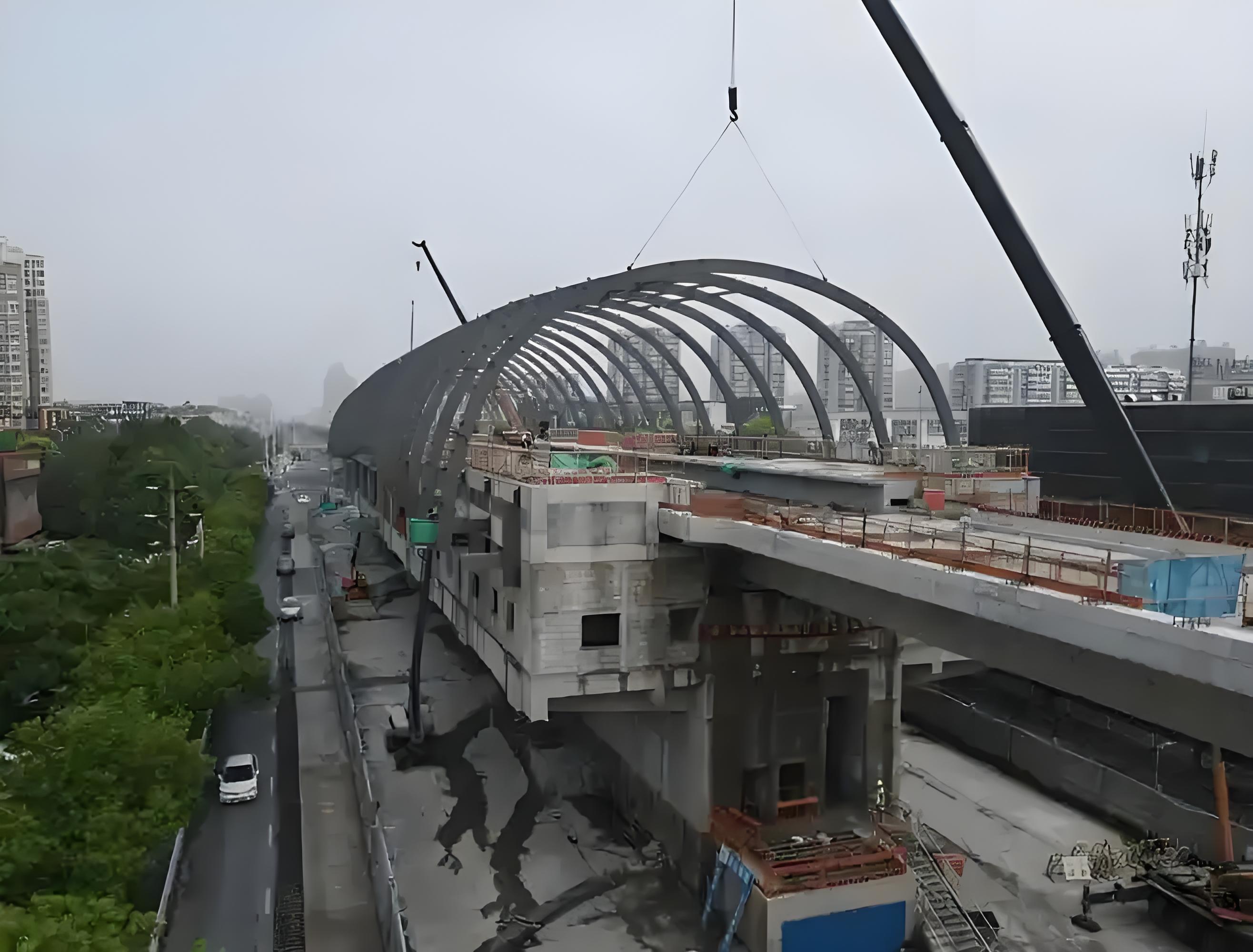
Box girder components may be used where torsional stiffness, wider deck support, or special bridge geometry is required. Fabrication should control plate cutting, internal diaphragms, stiffener layout, welding deformation, assembly sequence, and dimensional tolerance.
3.4 Cross Beam, Floor Beam and Diaphragm System
Cross beams, floor beams, and diaphragms help connect main members and improve structural coordination. These components require accurate hole position, correct plate alignment, welding control, and clear installation marks.
3.5 Stiffeners, Gusset Plates and Splice Components
Railway bridge steelwork includes many small but critical components, such as stiffeners, gusset plates, splice plates, bearing plates, bracing plates, angle connectors, and anchor-related parts. Missing or inaccurate small components can delay the entire site assembly process.
3.6 Maintenance Walkway and Guardrail Support Components
Railway bridges may require maintenance walkways, inspection platforms, handrail supports, guardrail supports, drainage supports, and service access components. These parts should be coordinated with the main bridge structure, inspection route, and installation sequence.
3.7 Temporary Railway Bridge and Modular Steel Components
Temporary railway bridge and modular rail infrastructure projects often require faster fabrication, repeatable members, clear bolted connections, and practical assembly logic. We can help fabricate modular steel members, truss panels, cross frames, connection plates, and support components according to drawings.
3.8 Railway Bridge Anti-Corrosion Solution
For railway bridge steel components, anti-corrosion planning should be confirmed before quotation and fabrication. Options may include blasting, shop primer, zinc-rich primer, epoxy intermediate coat, polyurethane topcoat, hot-dip galvanizing for suitable components, or other project-specified coating systems.
4. Product Standards and Reference Codes
The final design and fabrication standard should be confirmed according to the destination country, railway authority requirements, bridge type, project drawings, owner specifications, inspection requirements, and local approval process. For technical communication, material selection, fabrication, welding, surface treatment, and quality control, the following standards are commonly used as references.
4.1 Railway Bridge Design and Engineering References
AREMA describes its Manual for Railway Engineering as an annual publication with more than 5,000 pages of railway engineering reference material and recommended practices for railway engineering, design, construction and fixed plant; AREMA / NSBA guidance also covers steel railroad bridge constructability and fabrication issues. AASHTO LRFD specifications are intended for bridge design, evaluation and rehabilitation, using LRFD methodology.
4.2 Fabrication and Welding References
AWS states that AASHTO/AWS D1.5M/D1.5:2025 provides welding requirements for bridges made from carbon and low-alloy constructional steels and aligns with AASHTO and AREMA standards. For railway bridge components, welding procedure, inspection method, dimensional tolerance, bolt-hole accuracy, fatigue-sensitive details, and material traceability should be confirmed before production.
4.3 Common Material Options
4.4 Surface Treatment and Anti-Corrosion References
Bridge components face long-term outdoor exposure, so the coating system should be confirmed before fabrication, including blasting grade, primer type, intermediate coat, topcoat, dry film thickness, edge treatment, repair method, inspection records, and maintenance plan. The Eurocodes are European standards that provide a common approach for structural and geotechnical design of buildings and infrastructure.
4.5 Railway Bridge Component Quality Coordination
For railway bridge projects, steel component supply should be coordinated with railway design drawings, track alignment requirements, site assembly plan, lifting plan, inspection plan, transport limitation, and railway authority requirements. We can support fabrication and technical coordination according to project documents, while final bridge design, certification, and approval should be confirmed by the project engineer and local authority.
5. Technical Support We Can Provide
Before production starts, we can help you review the technical details that decide whether railway bridge steel components will be easy to fabricate, inspect, transport, assemble, and maintain.
We can help check:
Railway bridge type and component scope
Project country or installation location
Railway bridge drawings, shop drawings, BOQ, or technical specifications
Steel grade, material certificate and traceability requirements
Girder type, truss type, span, component length and transport limitation
Track alignment and bridge component interface information if available
Welding details, WPS requirements and inspection requirements
Bolt connection, splice plate and hole accuracy requirements
Dimensional tolerance, camber, straightness and trial assembly requirements
Surface treatment, blasting grade, coating system and DFT requirement
Component marking, lifting points, packing method and loading sequence
Installation sequence, site bolting, site welding and temporary support coordination
Required documents, inspection records and packing lists
If you already have railway bridge drawings or a steel structure list, we can help review them from the viewpoint of fabrication, packing, shipment and installation. If you only have a preliminary component list, we can help you identify what still needs to be confirmed before quotation.
Our Engineering Team
Our team includes steel structure engineers, fabrication coordinators, production managers, quality inspectors and export service staff. For railway bridge component projects, our senior engineering personnel can help review key points such as component scope, plate thickness, girder details, truss member details, welding requirements, bolt-hole layout, stiffener arrangement, dimensional tolerance, surface treatment, packing method and installation sequence.
During production and installation, we can continue to provide project communication support. If your team has questions about drawings, component marks, bolt connections, splice plates, gusset plates, packing lists, coating documents, inspection records or installation order, we can help respond and coordinate as quickly as possible.
For overseas rail infrastructure projects, time difference should not leave an important technical question unresolved for too long. We can support communication across different time zones and help your team keep moving when urgent clarification is needed.
Factory Display
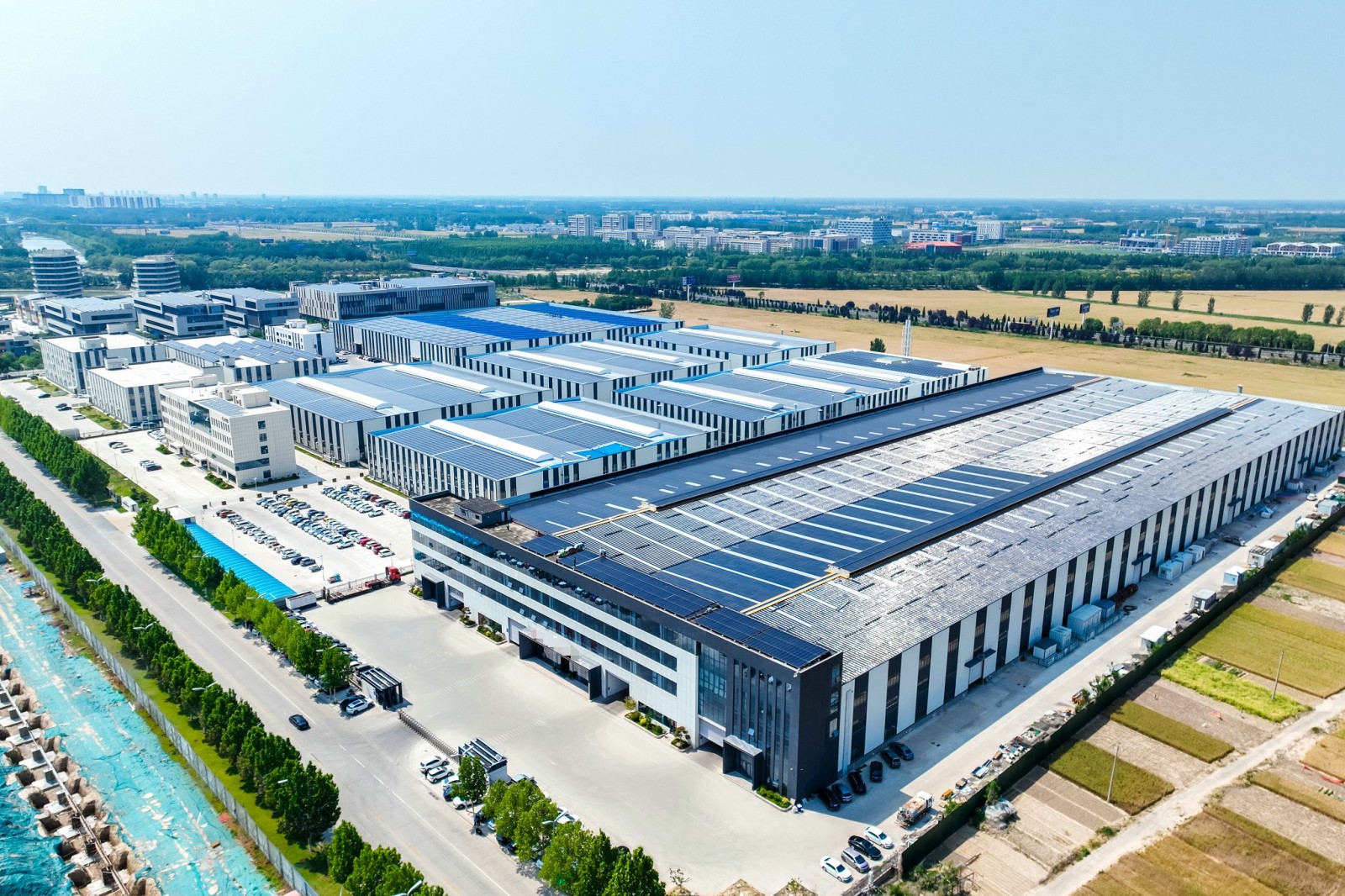
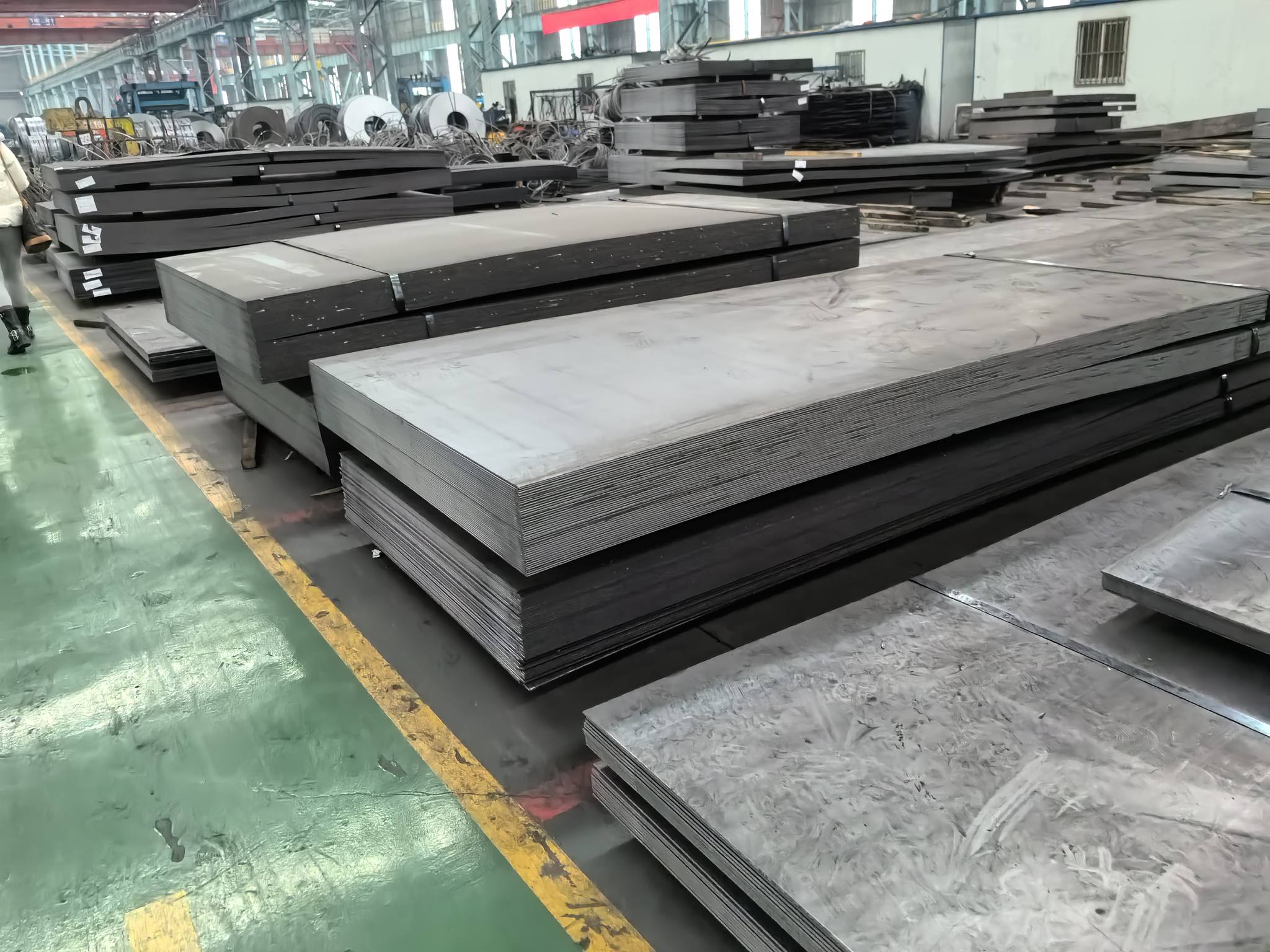
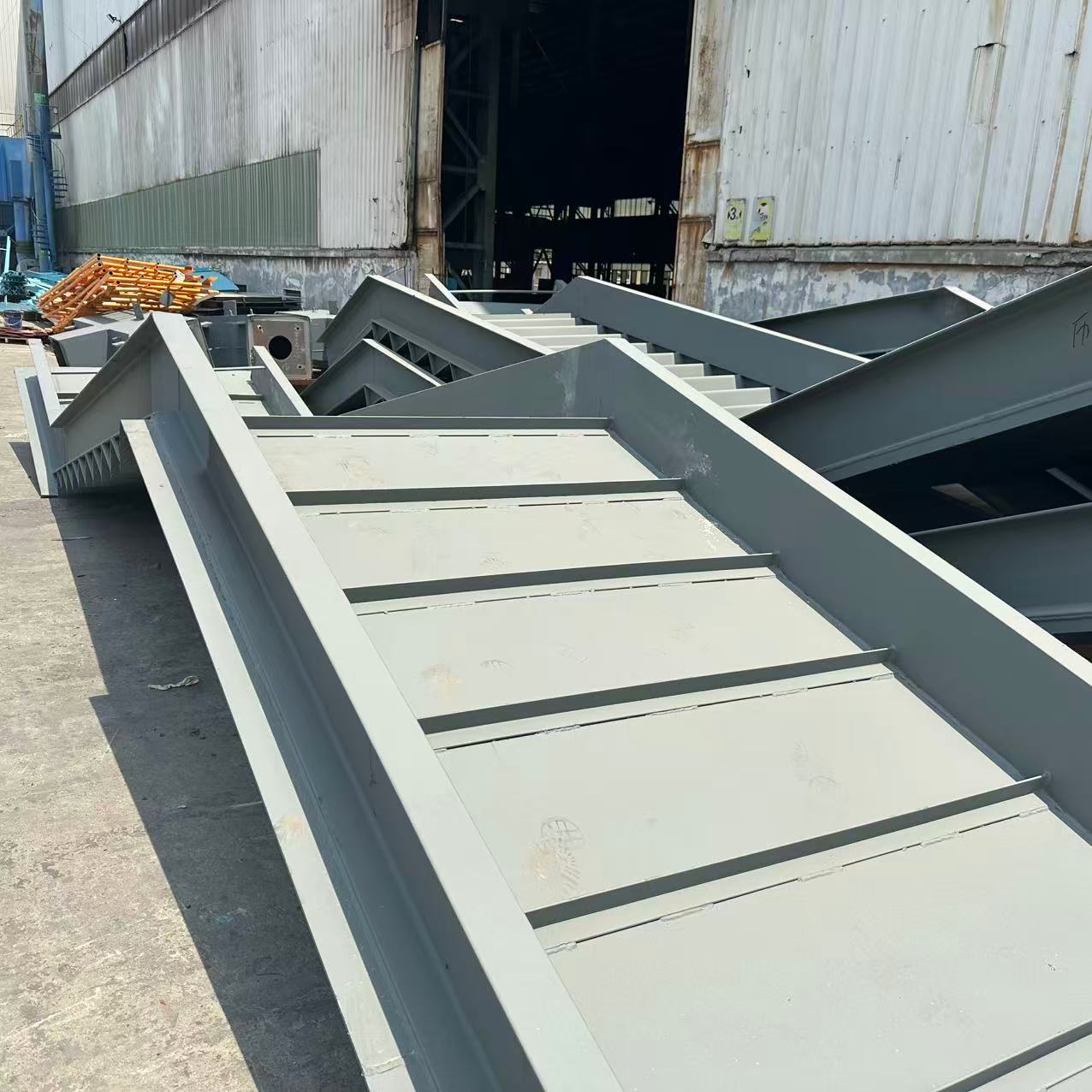
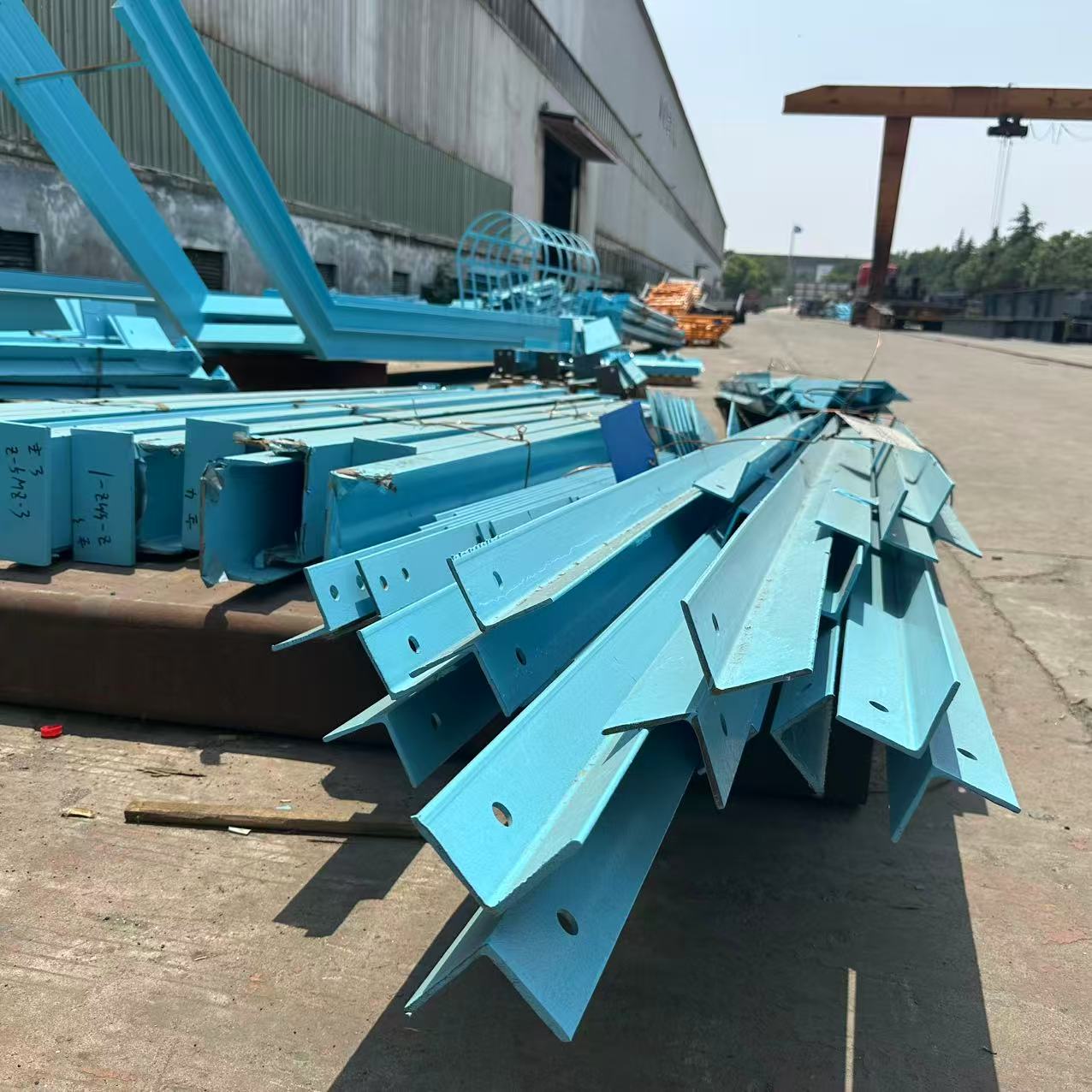
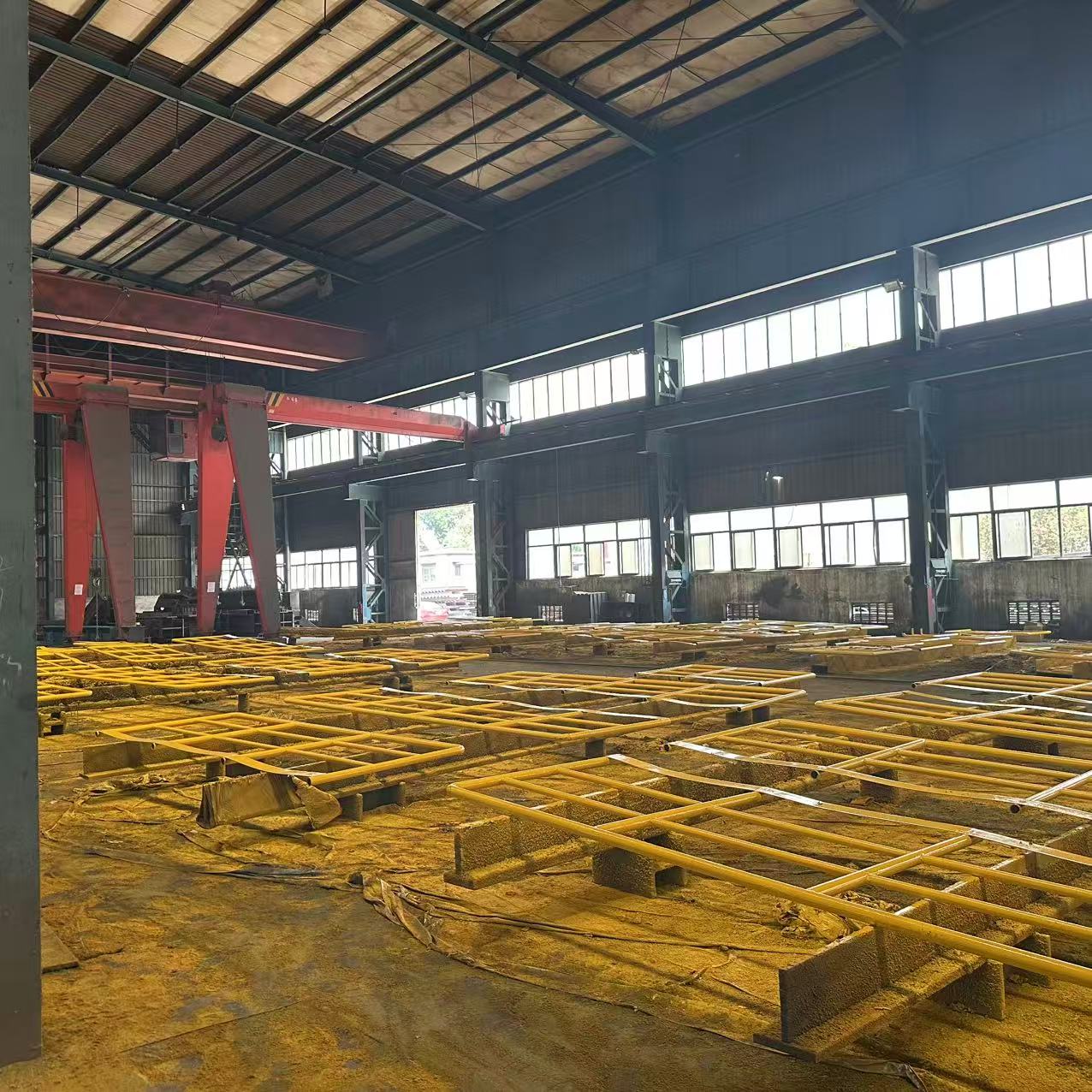
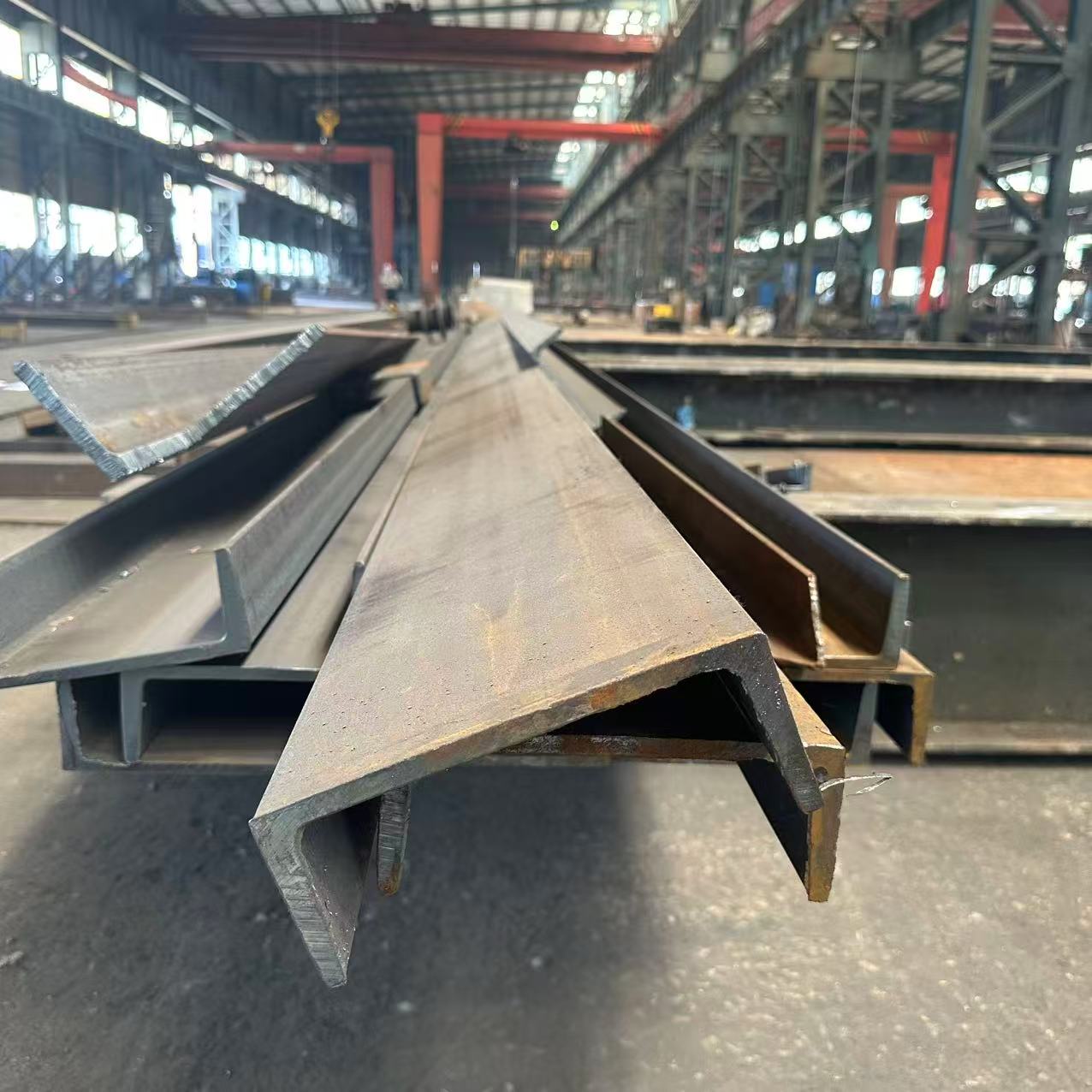
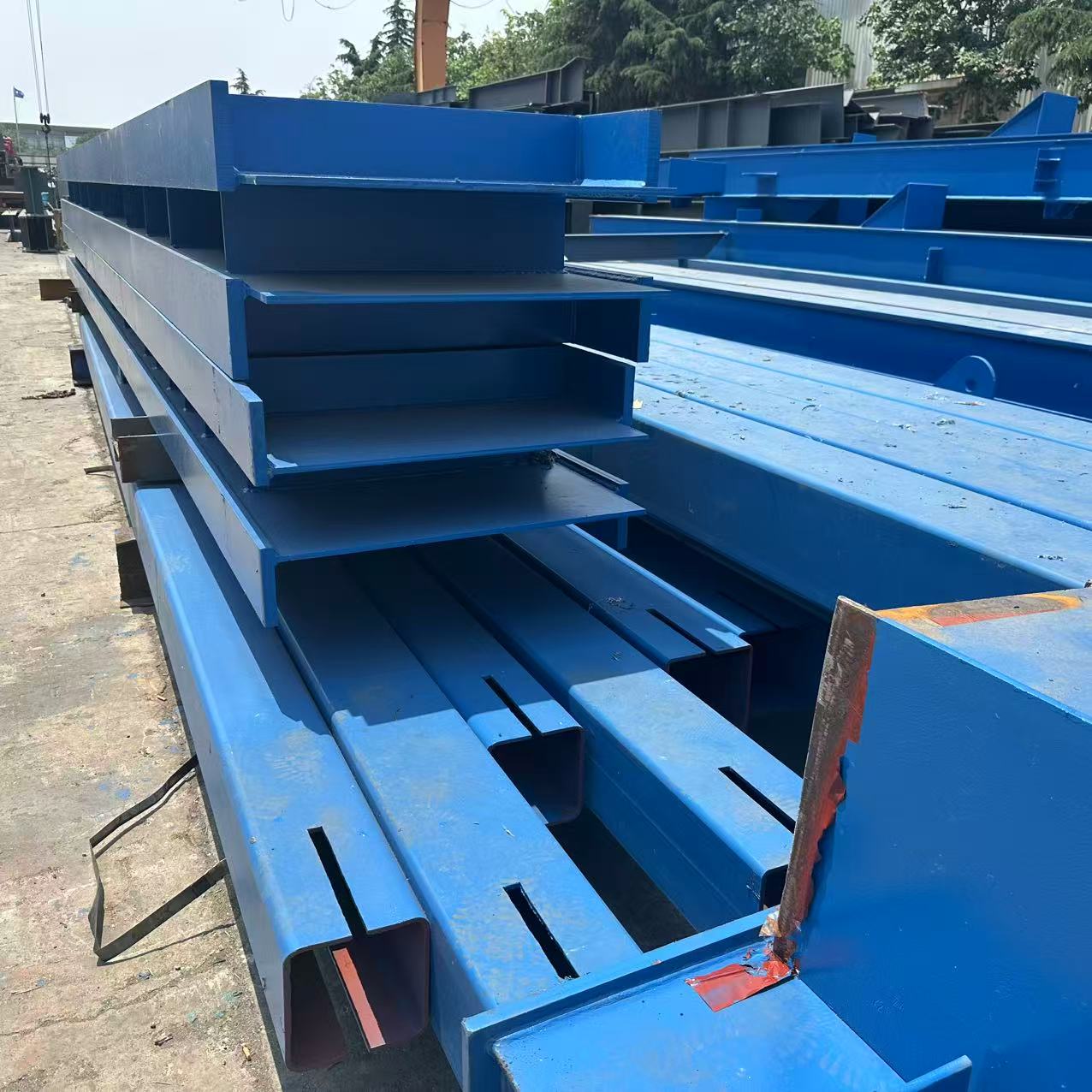
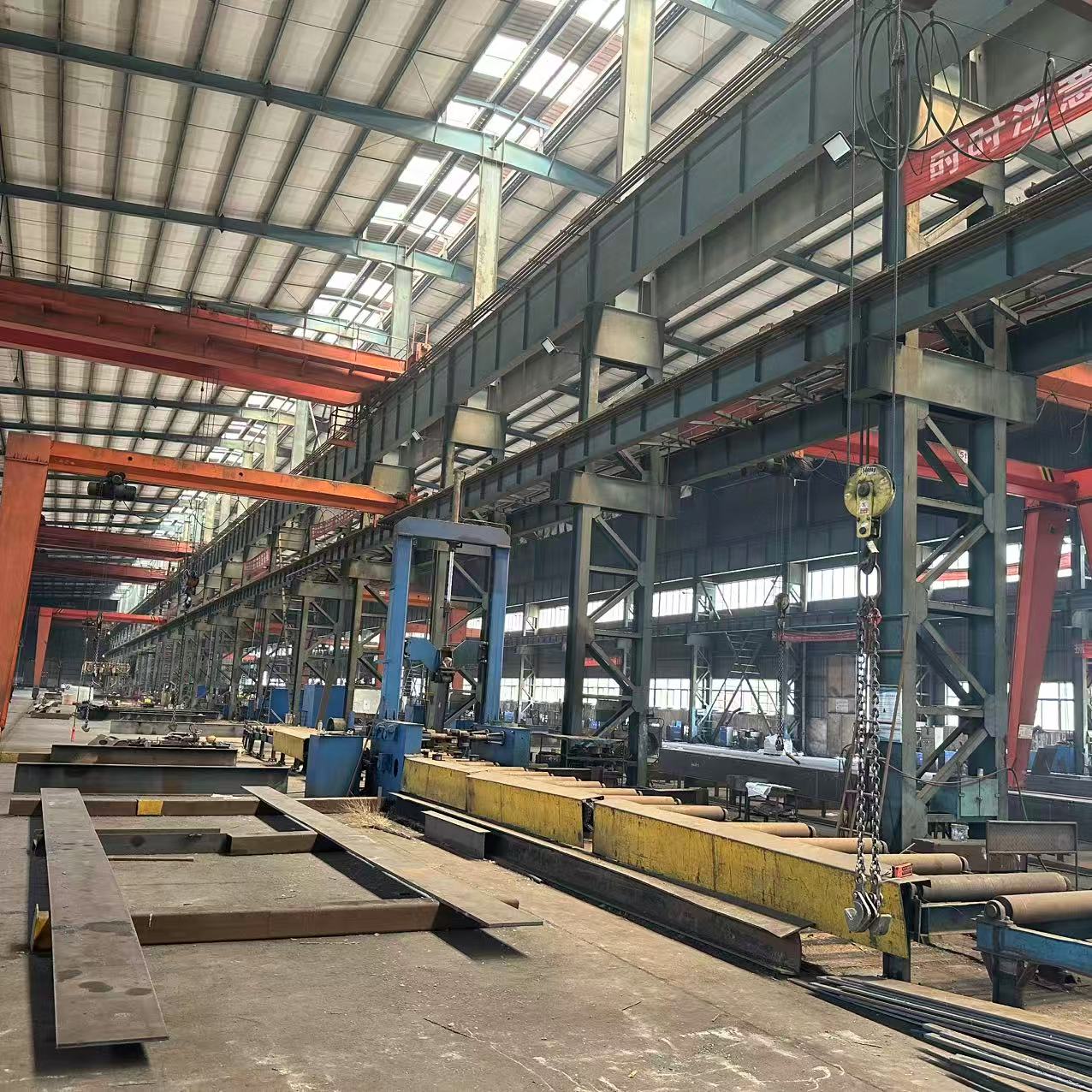
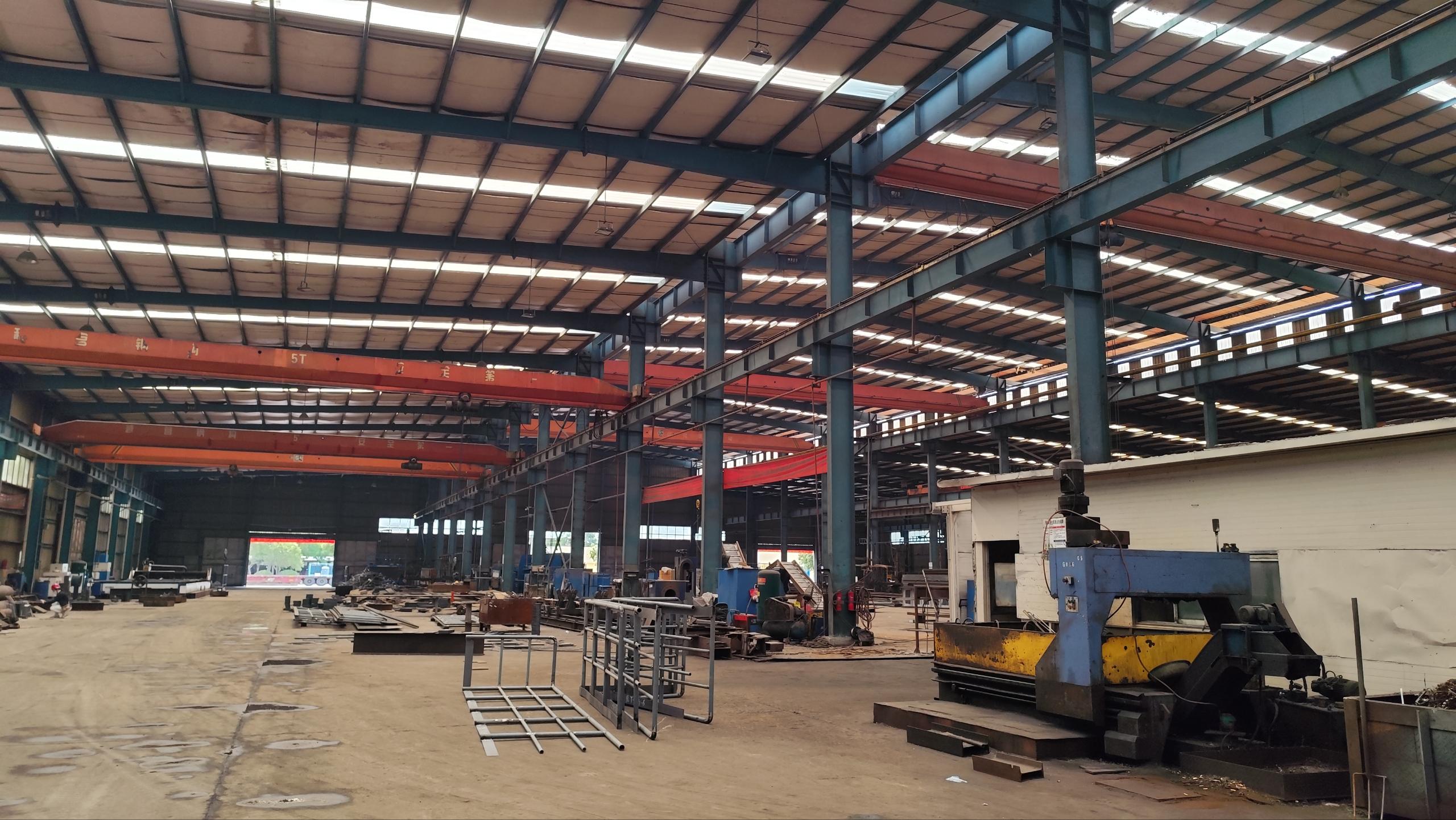
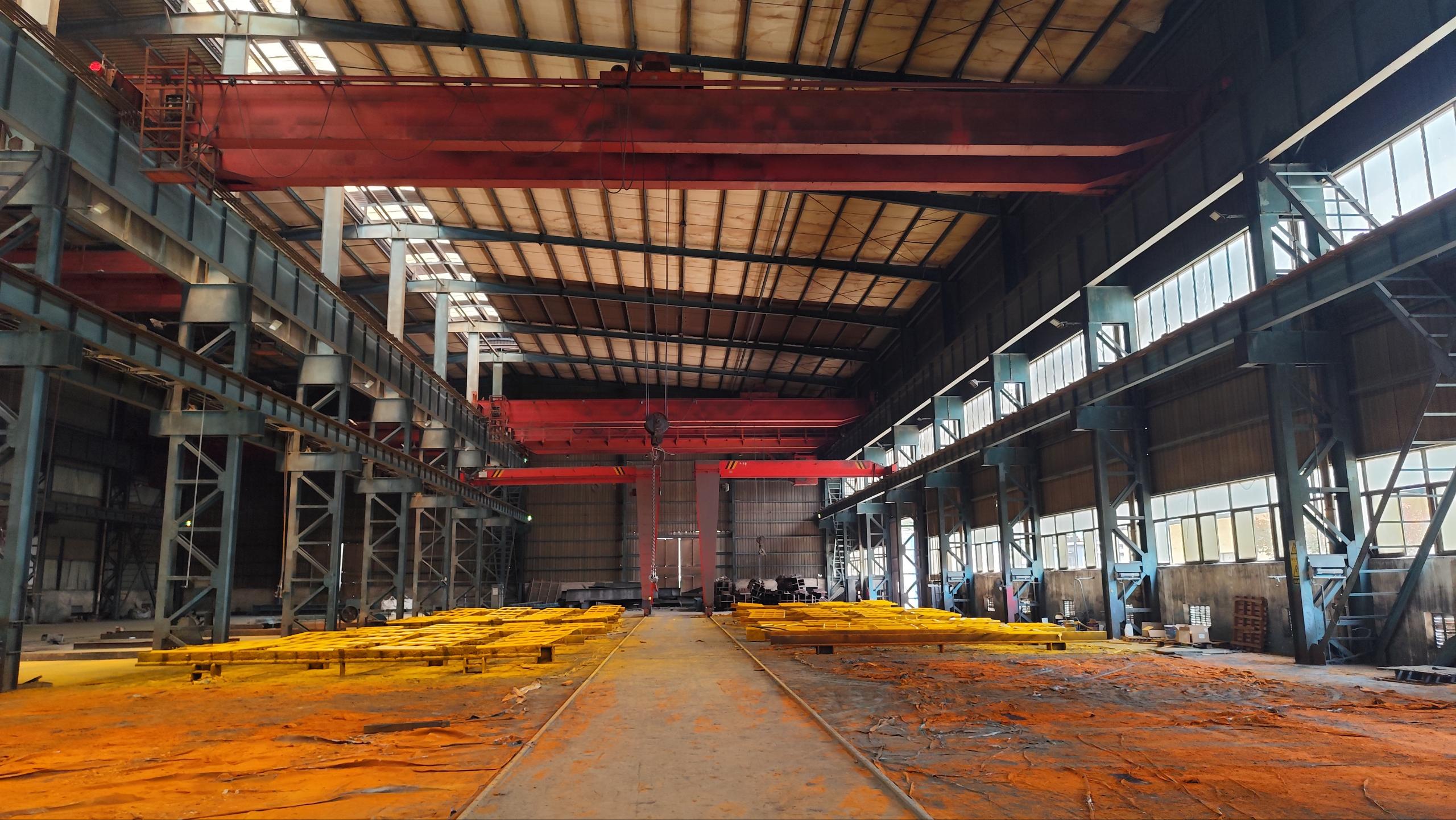
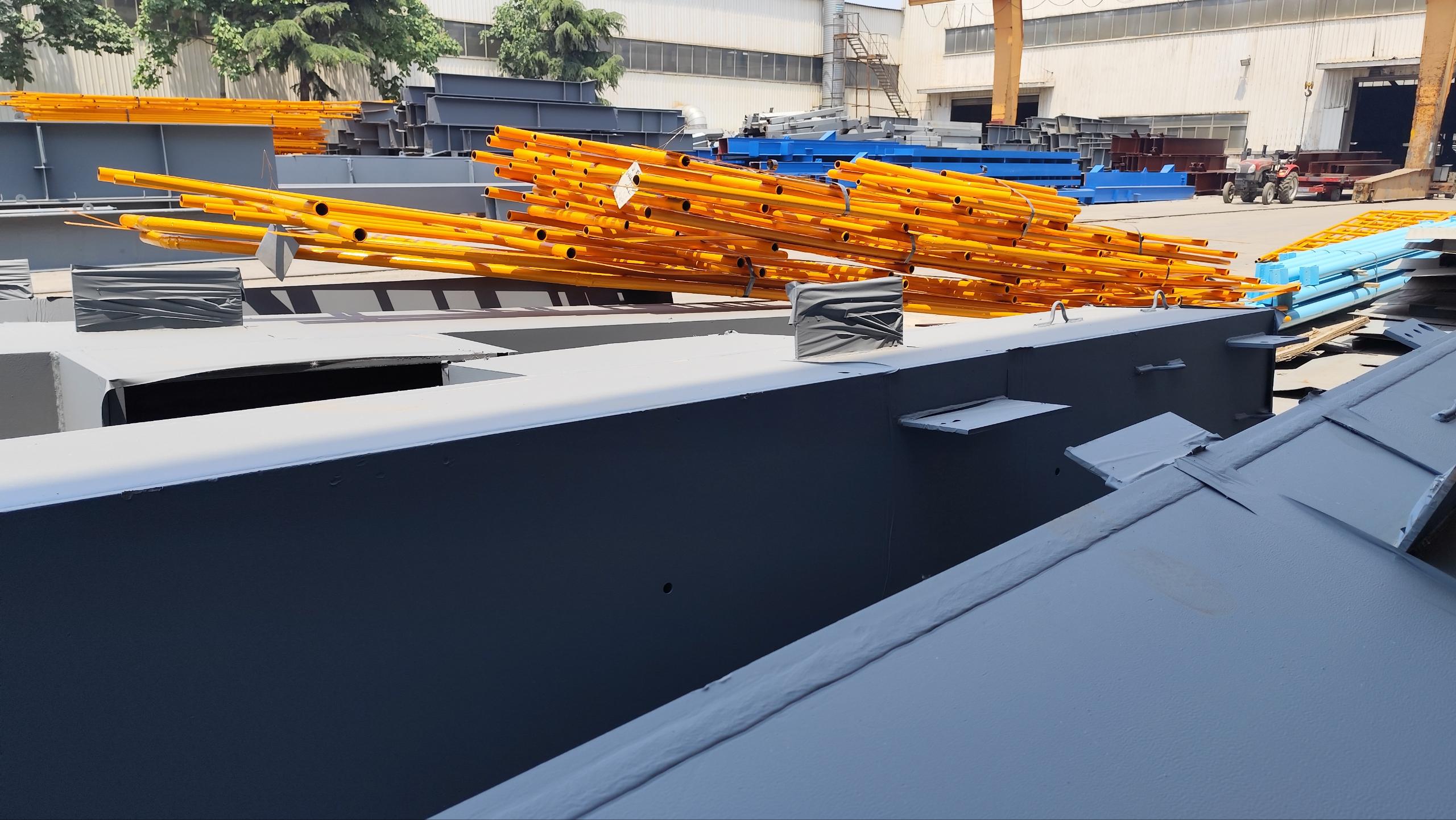
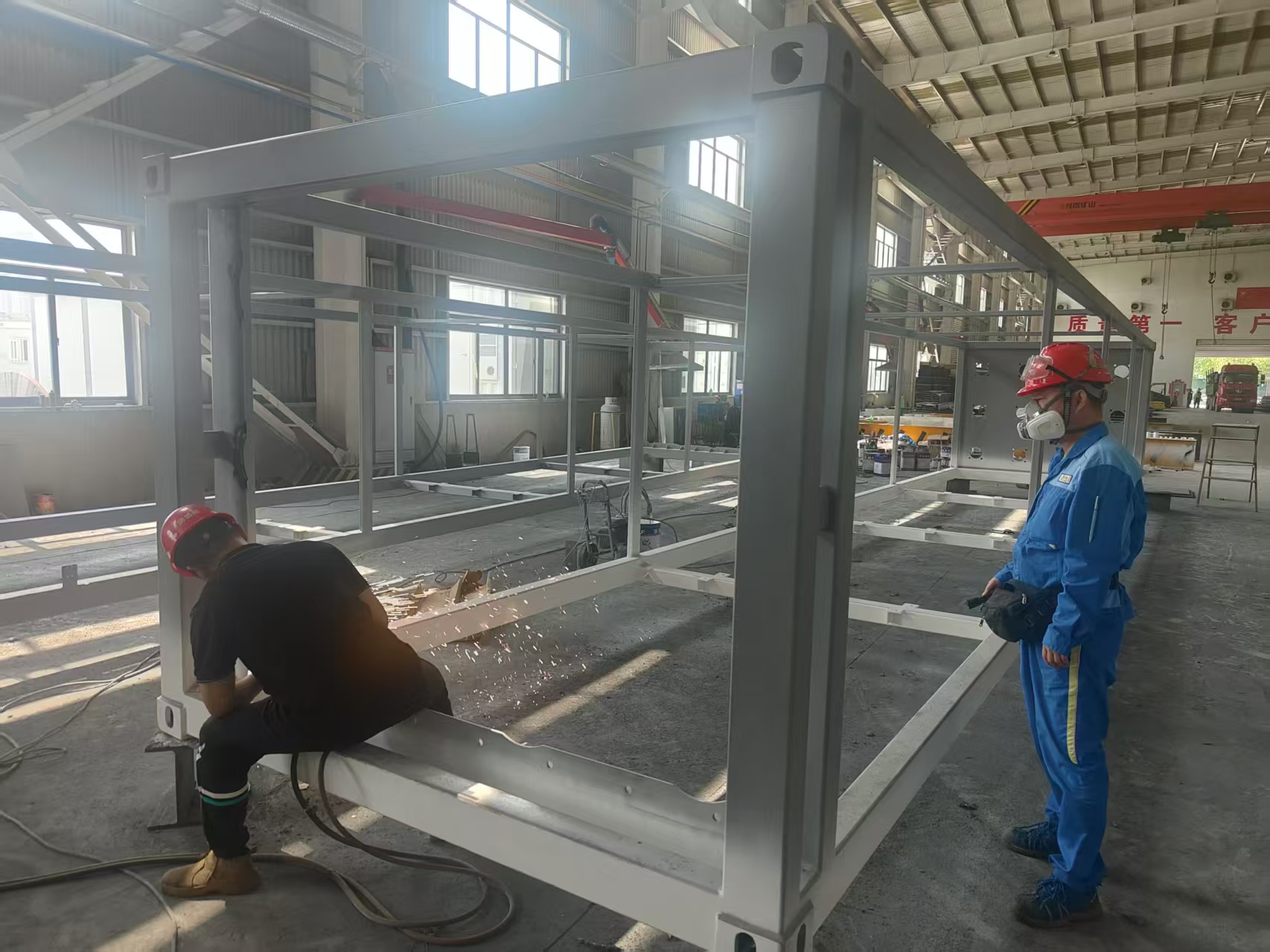
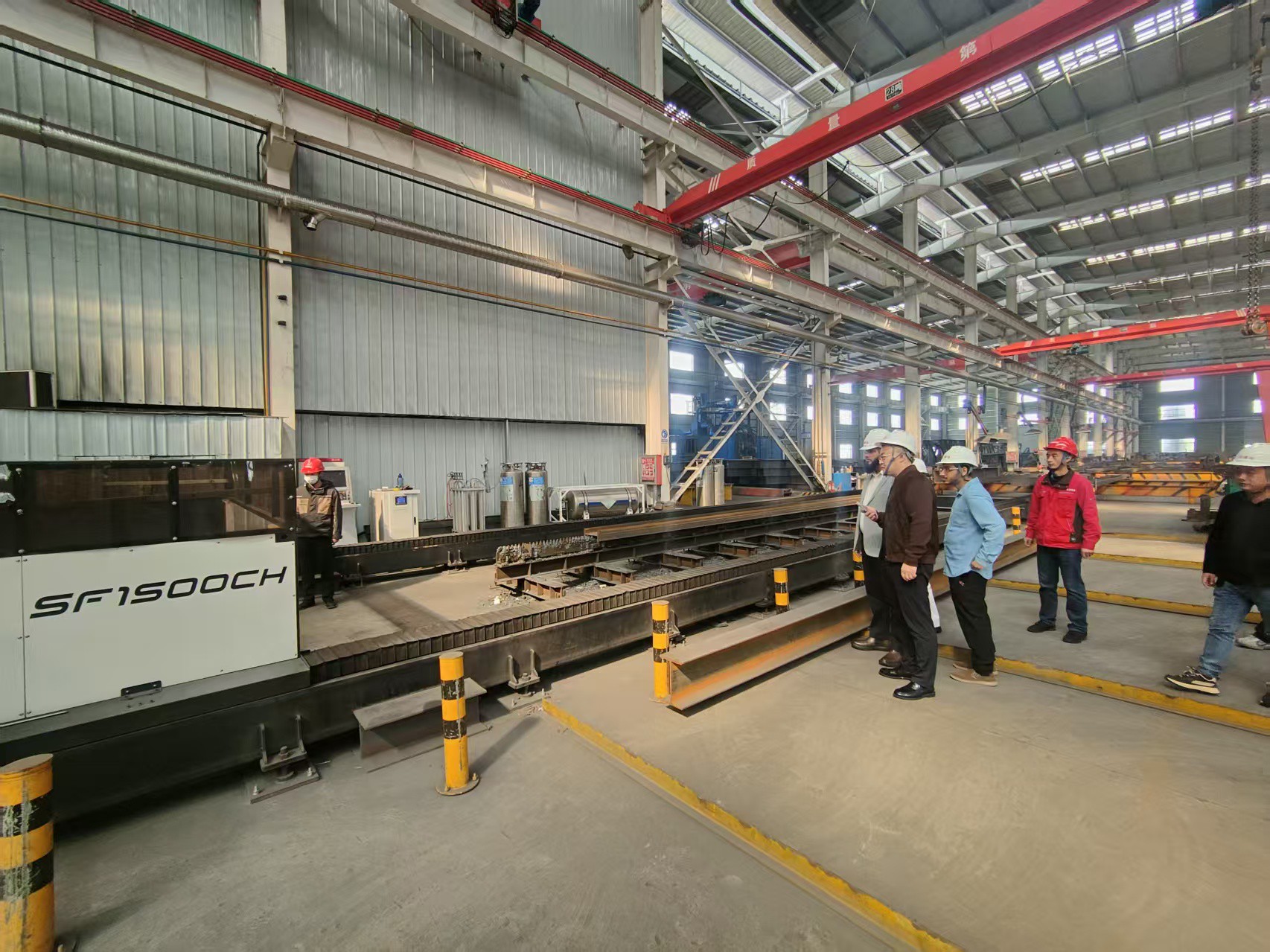
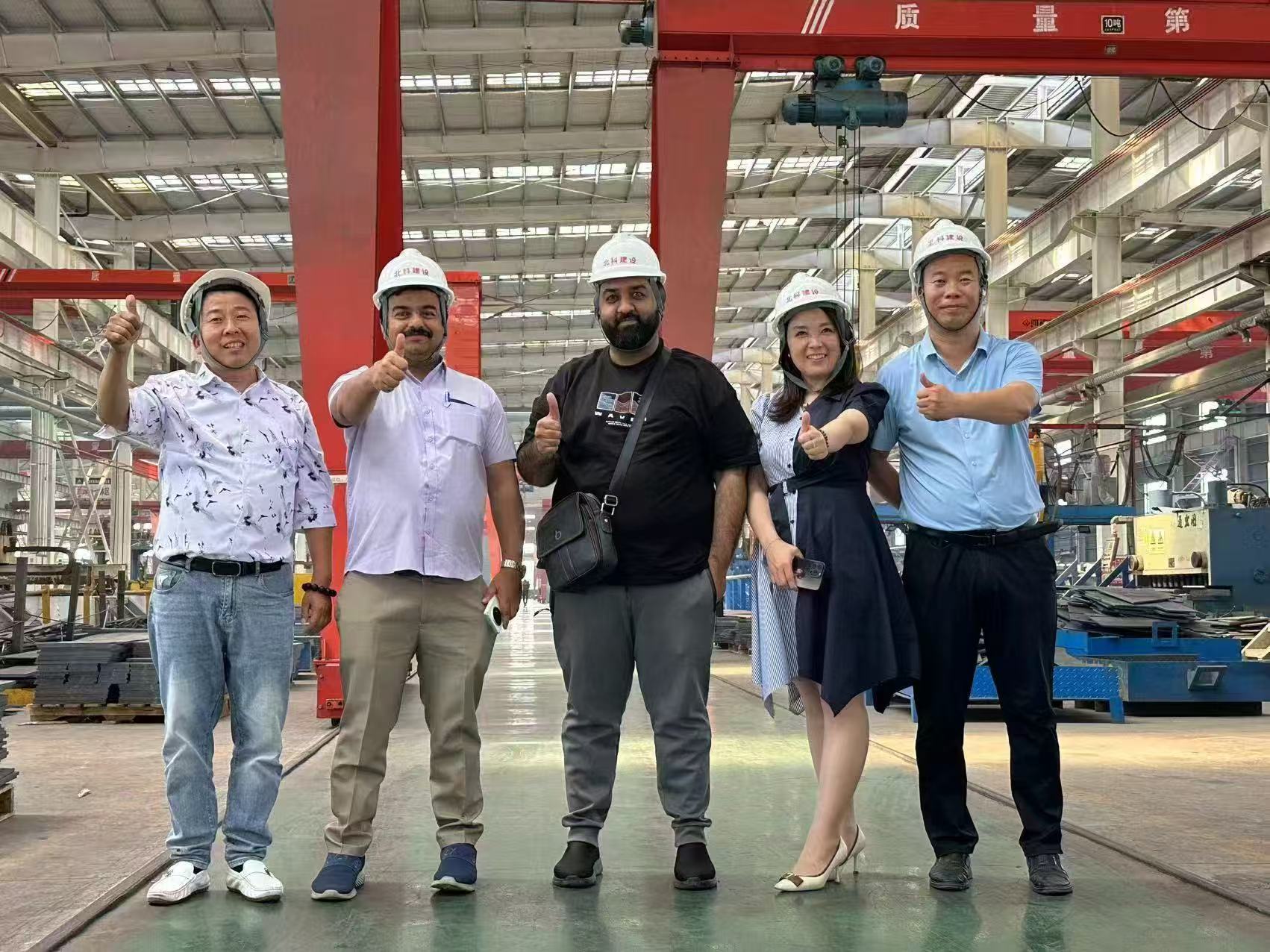
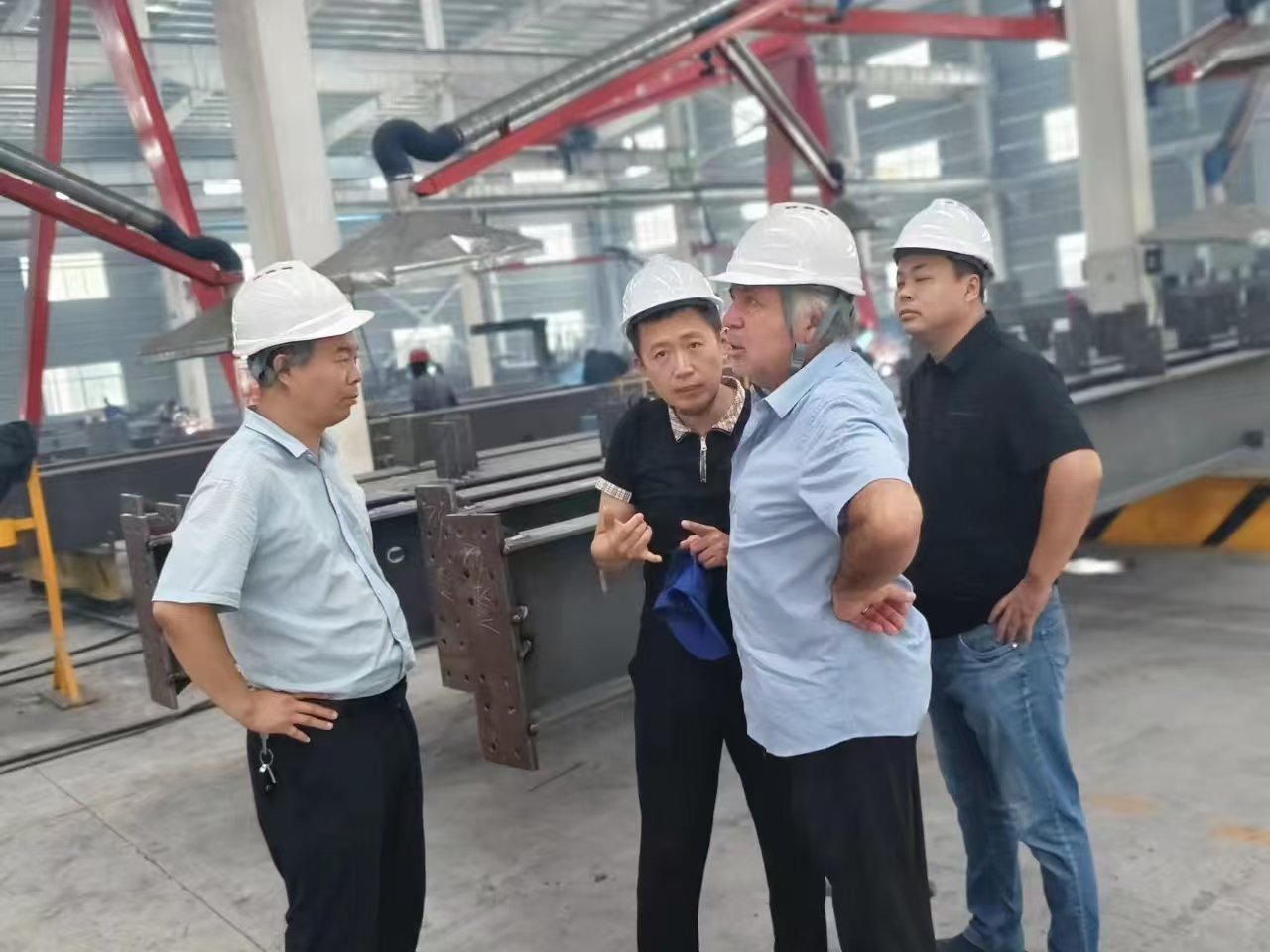
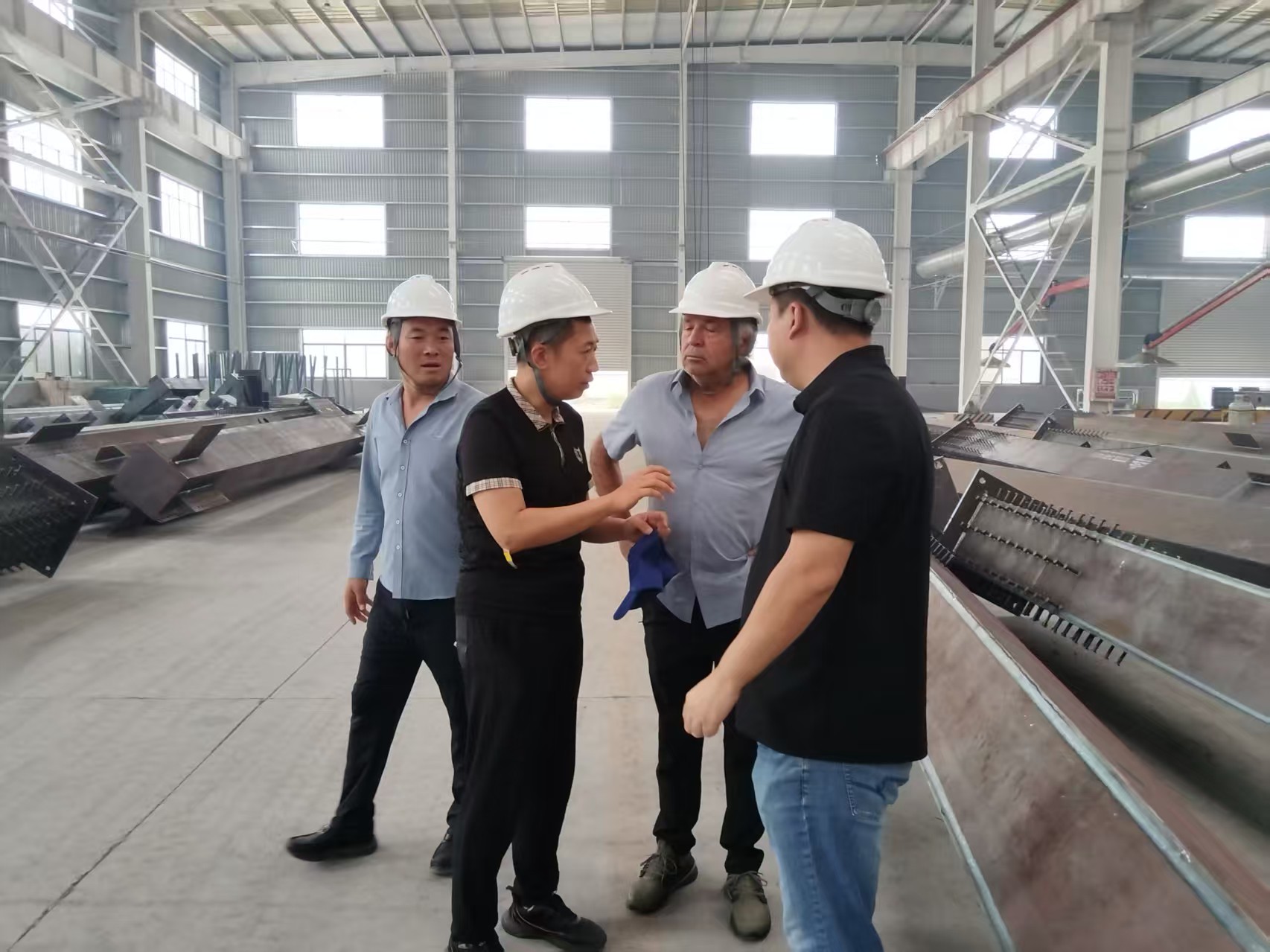
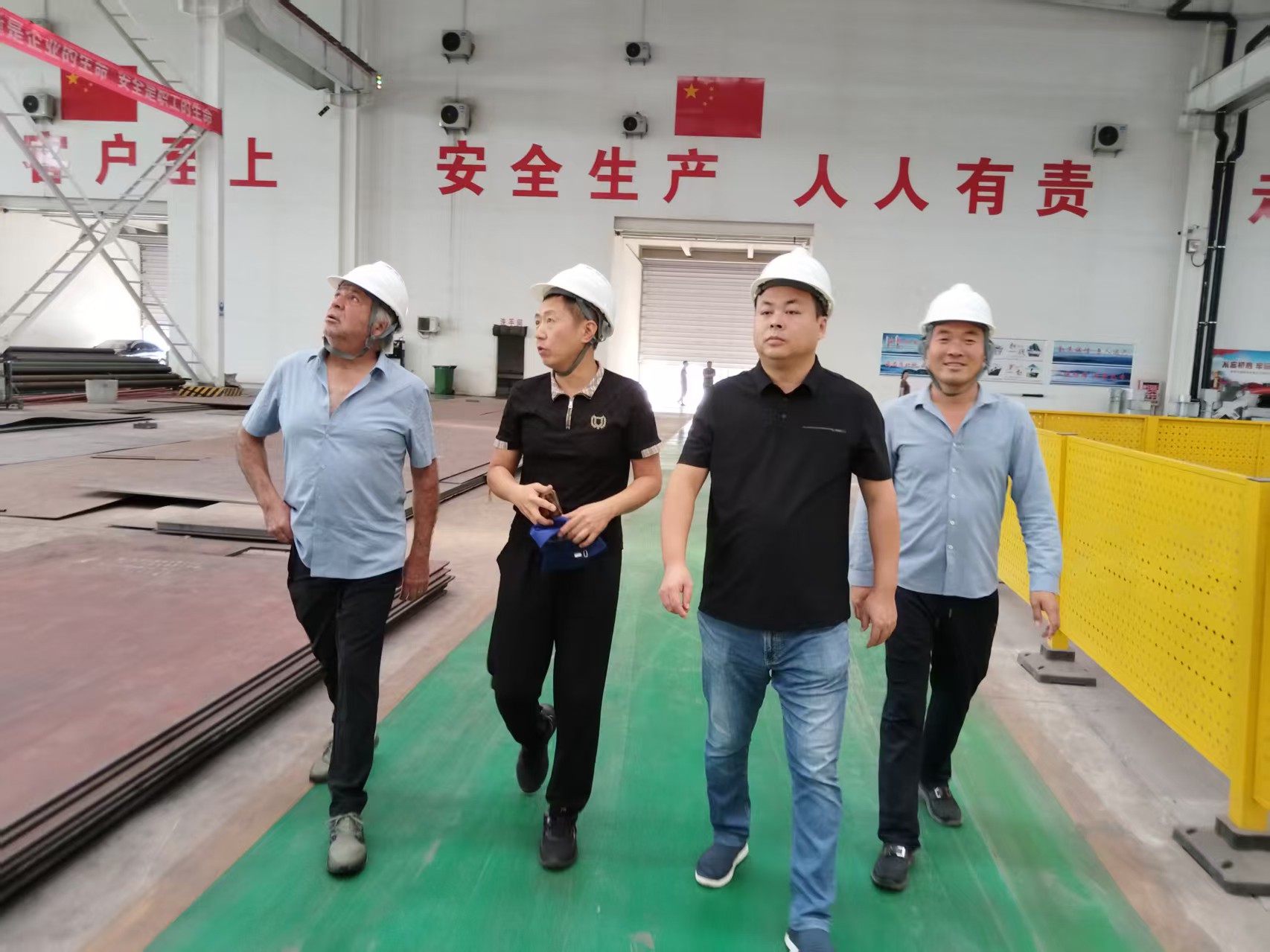
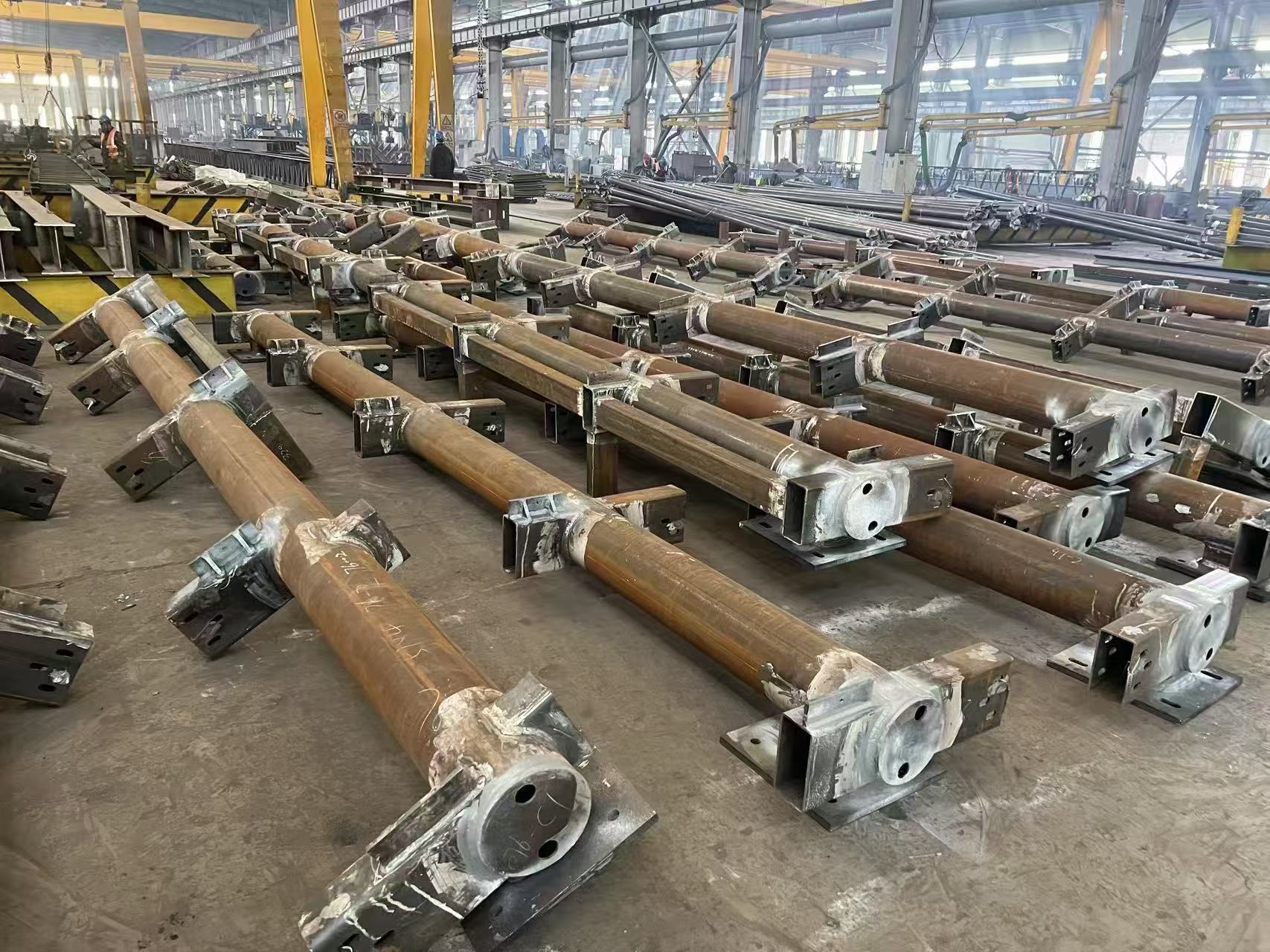
The facility operates 170 sets of advanced fabrication equipment,including large hydraulic press brakes,CNC drilling machines,China's largest shot blasting units,and ultrasonic flaw detectors,ensuring precision manufacturing standards.
Packing & Delivery
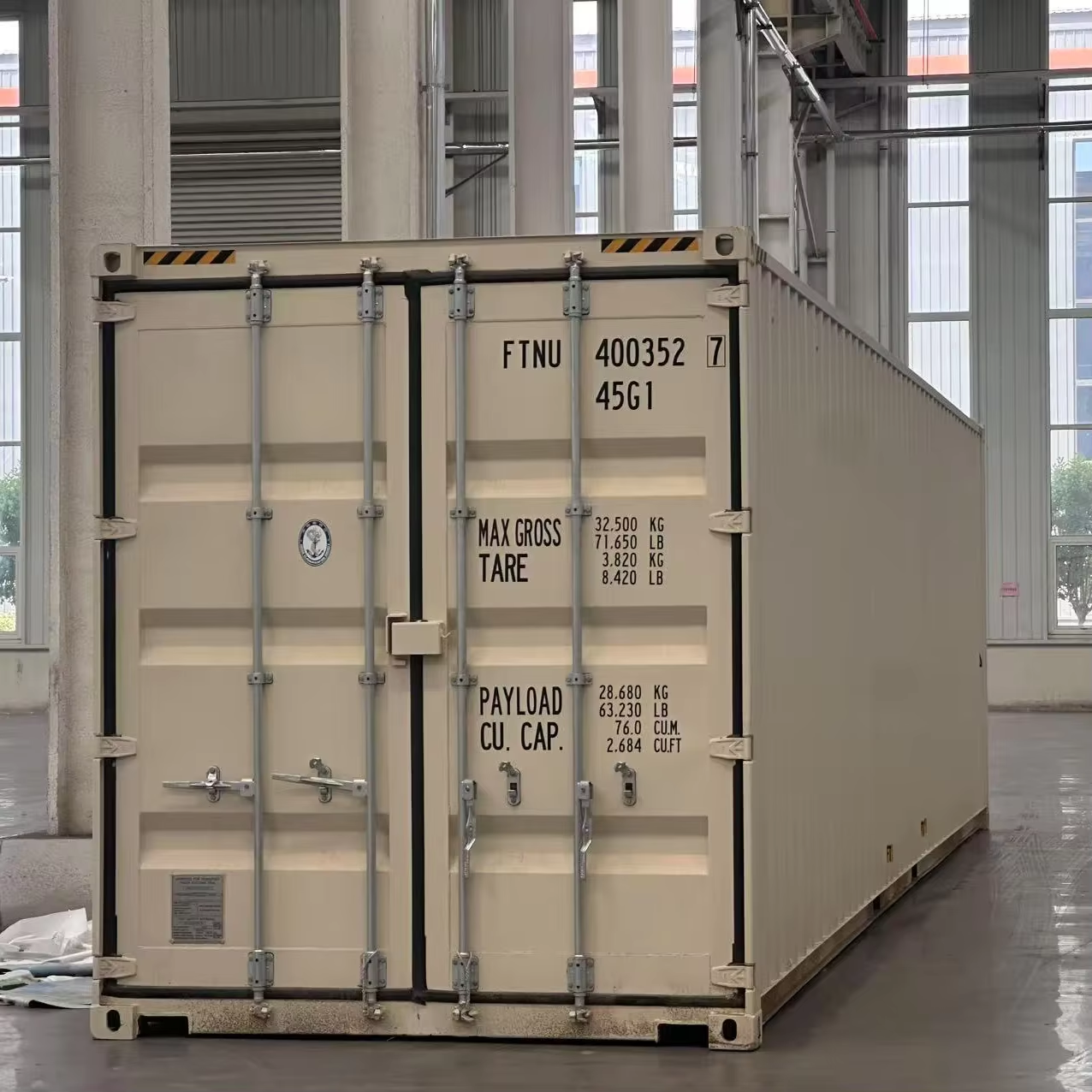
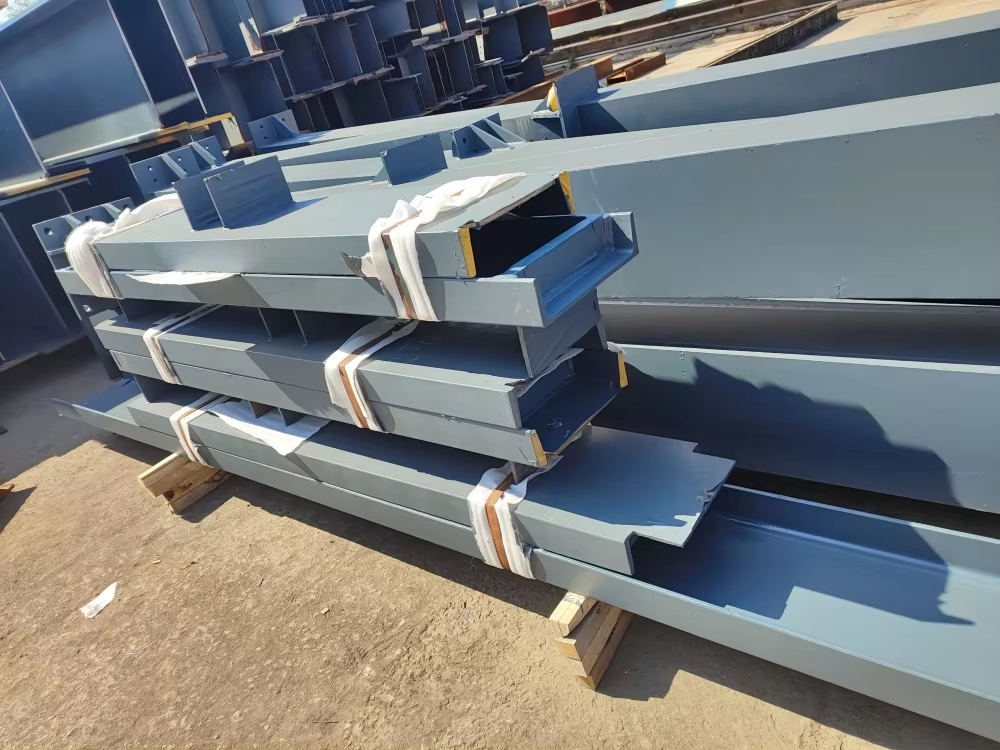
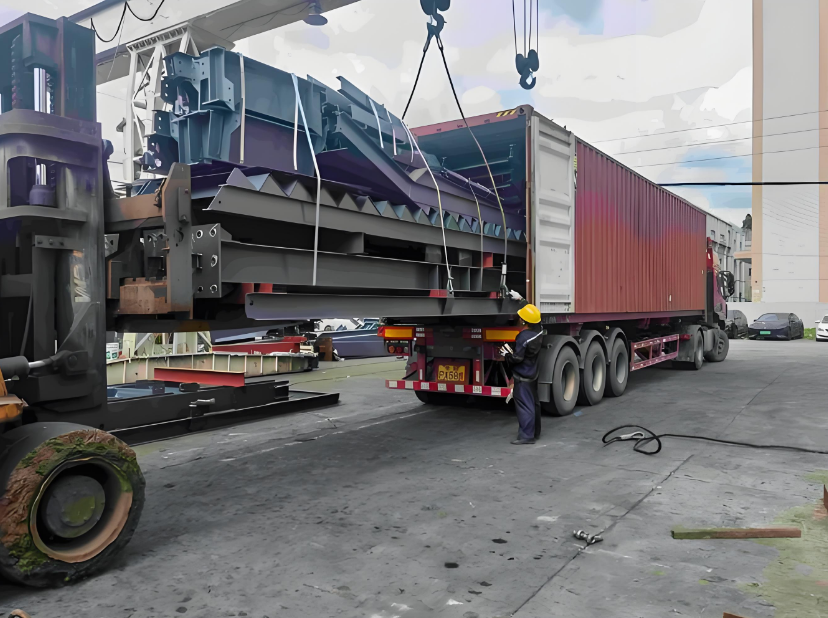
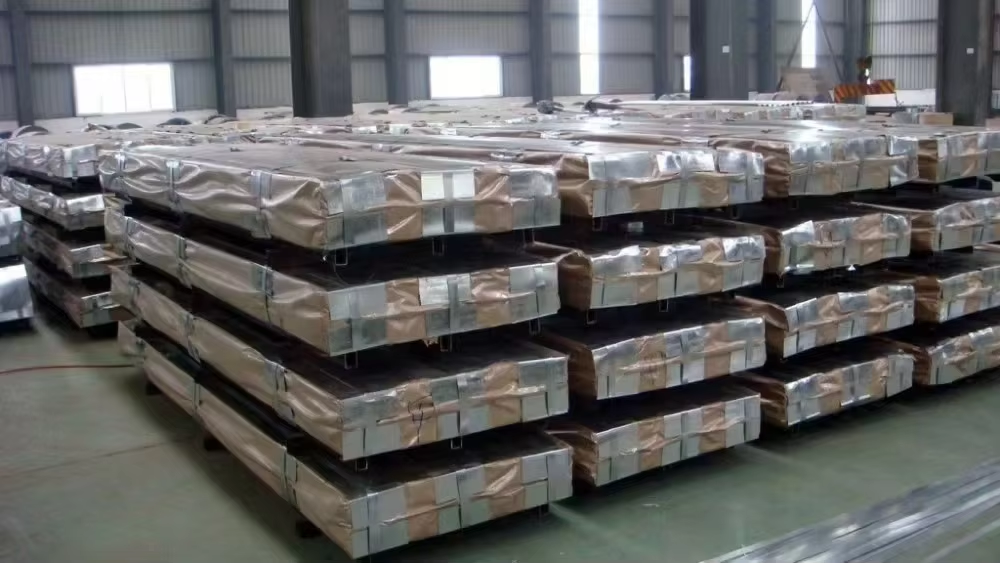
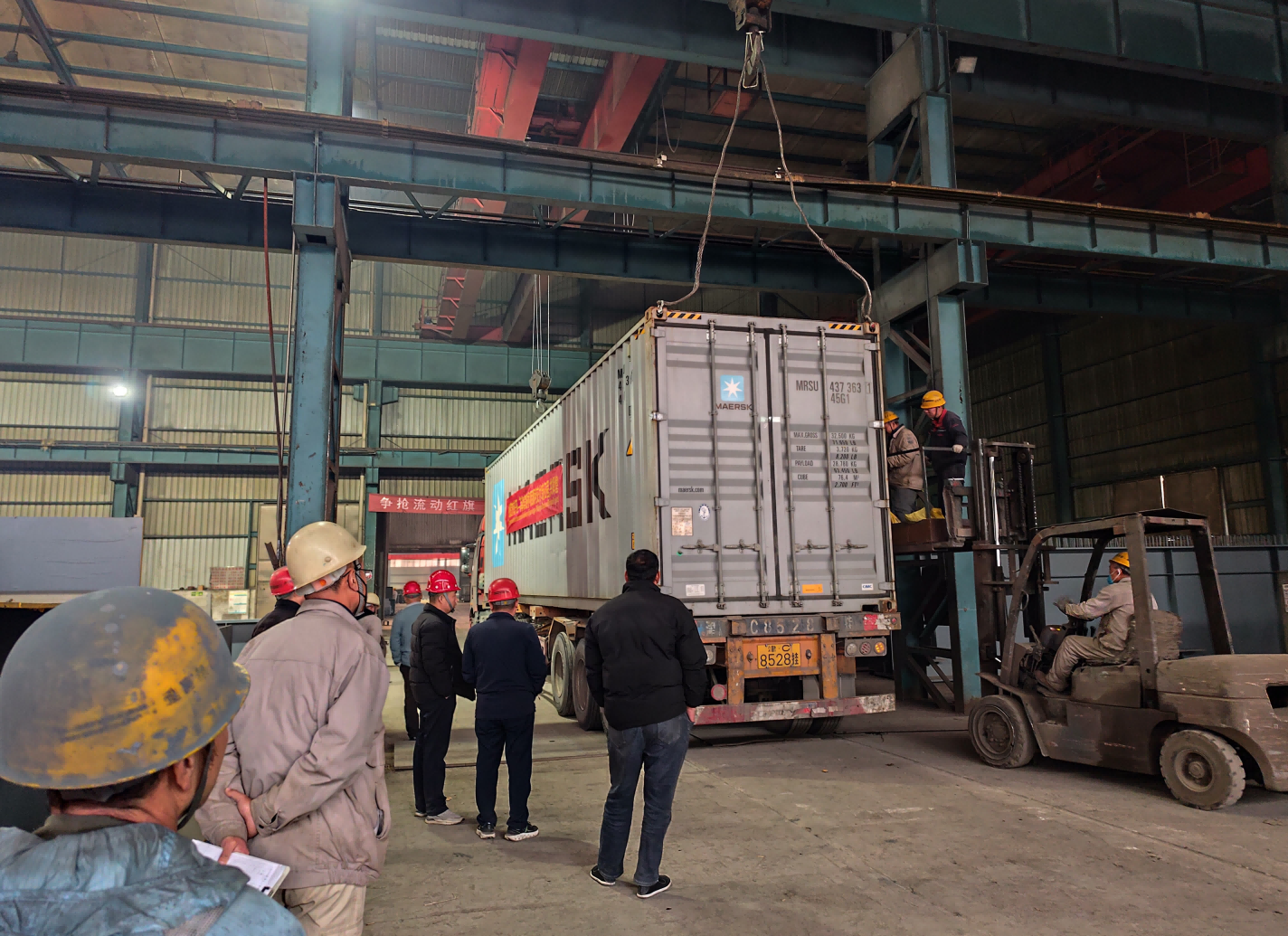
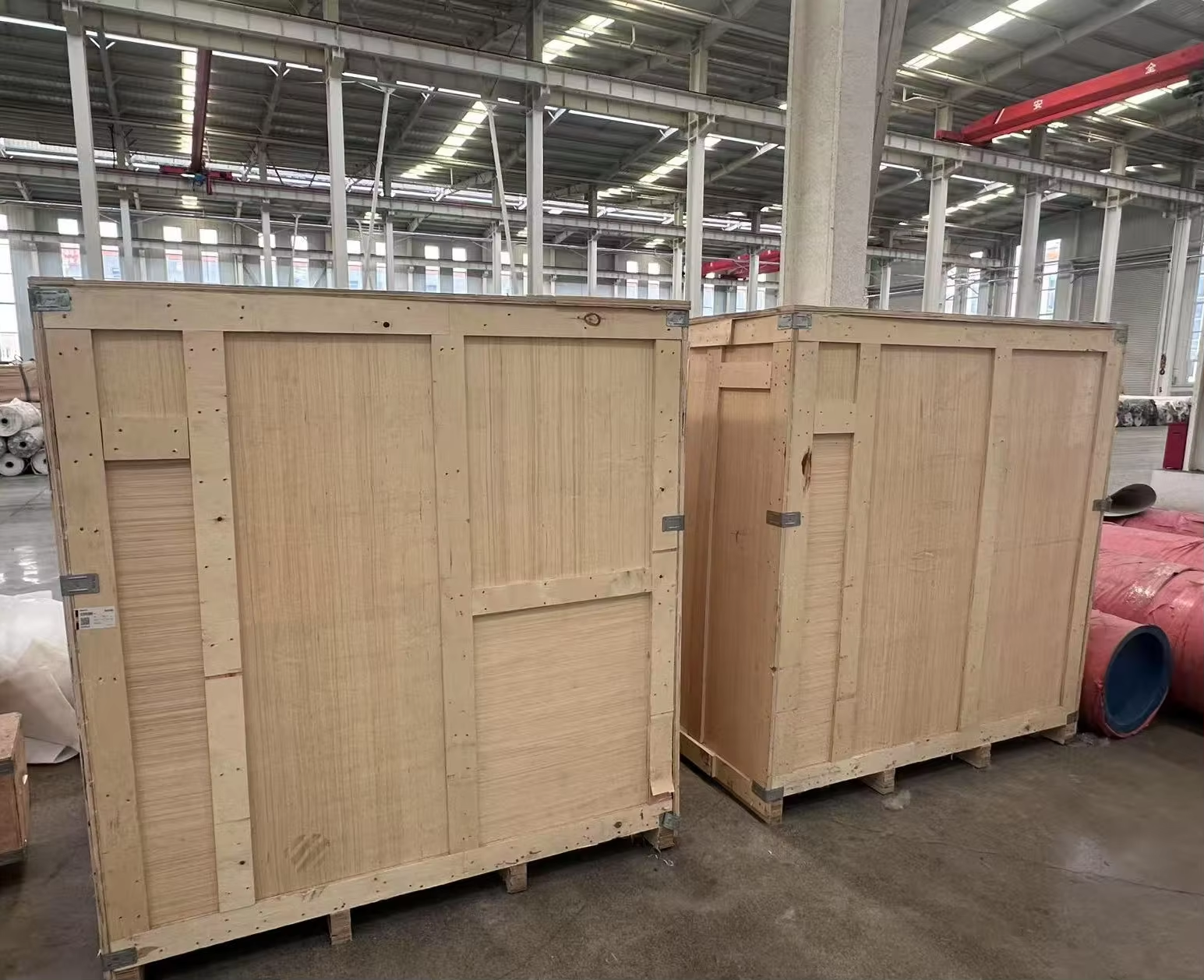
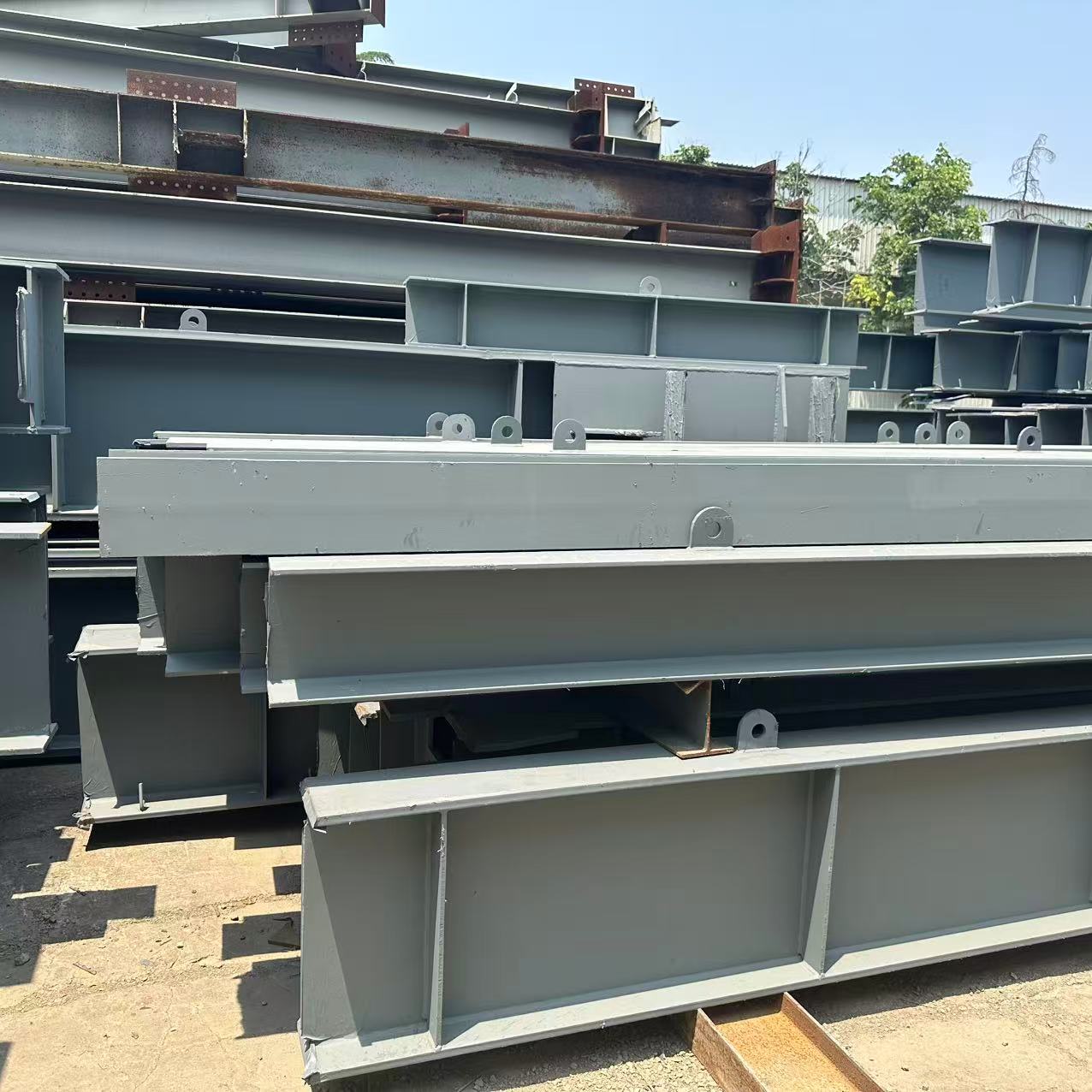
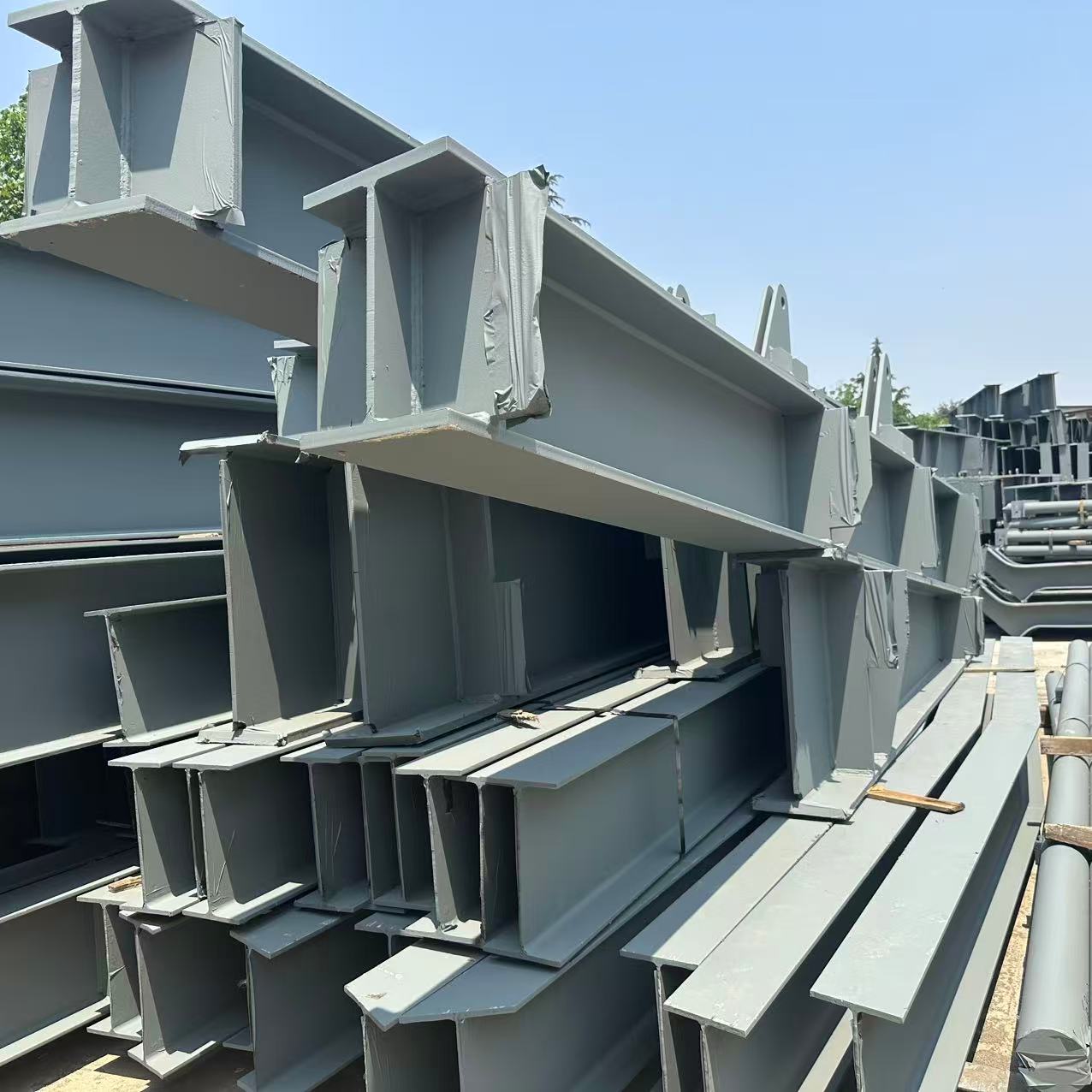
To better ensure the safety of your goods, professional, environmentally friendly, convenient and efficient packaging services will be provided. According to the characteristics of the product and the mode of transportation, fix it in the most appropriate and stable way to ensure that there will be no bumps, corrosion, scratches and other problems during transportation.
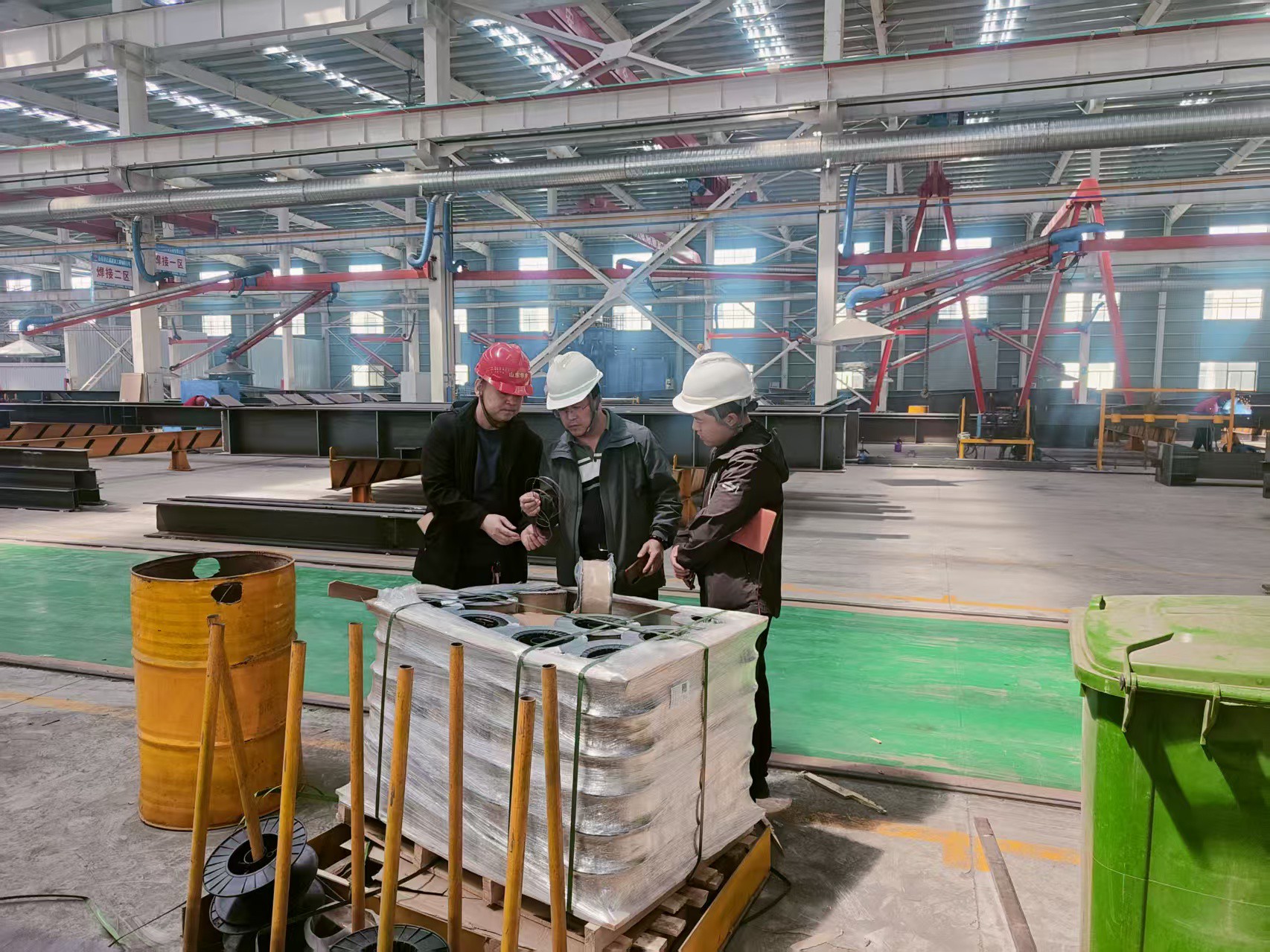
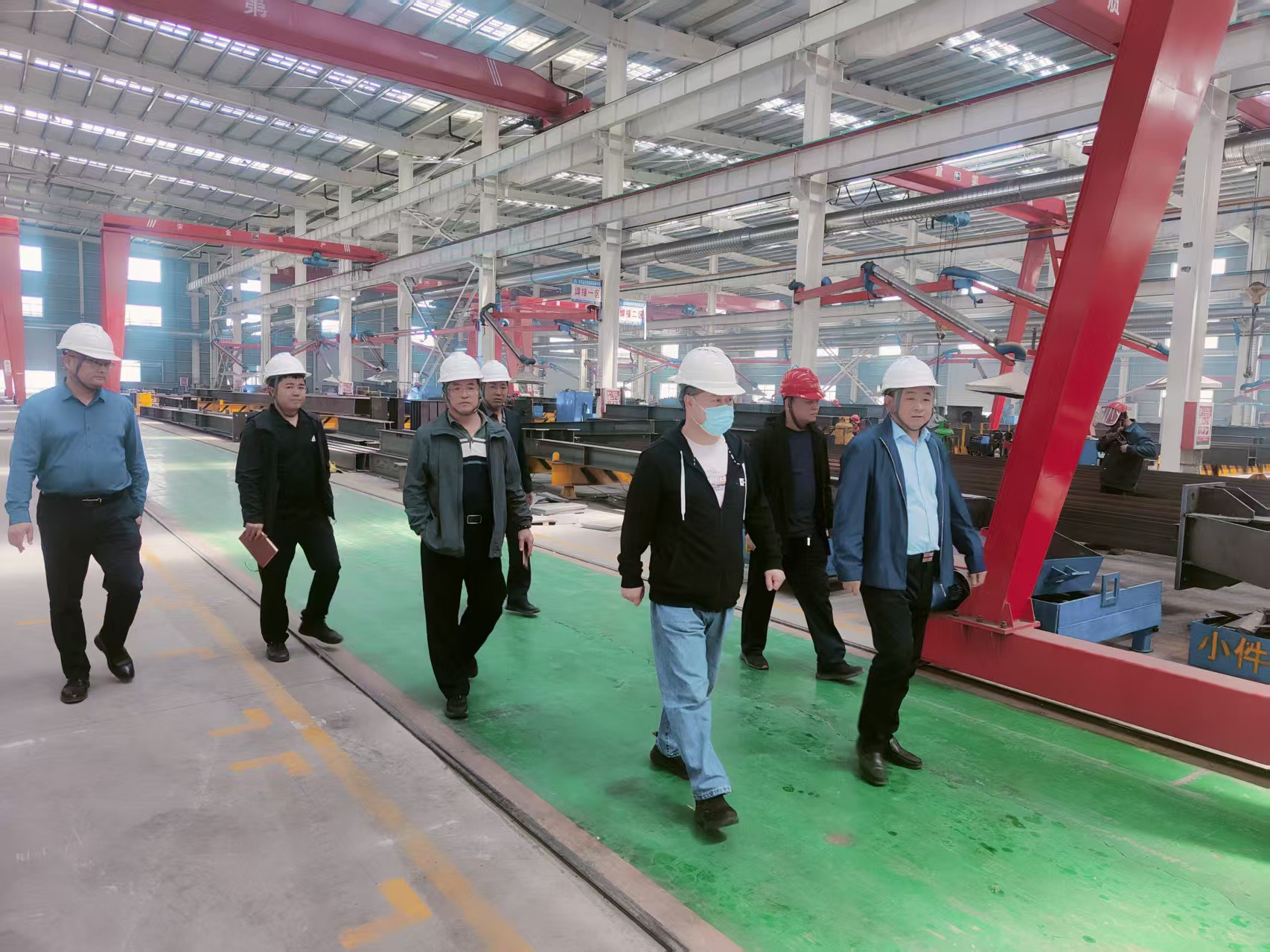
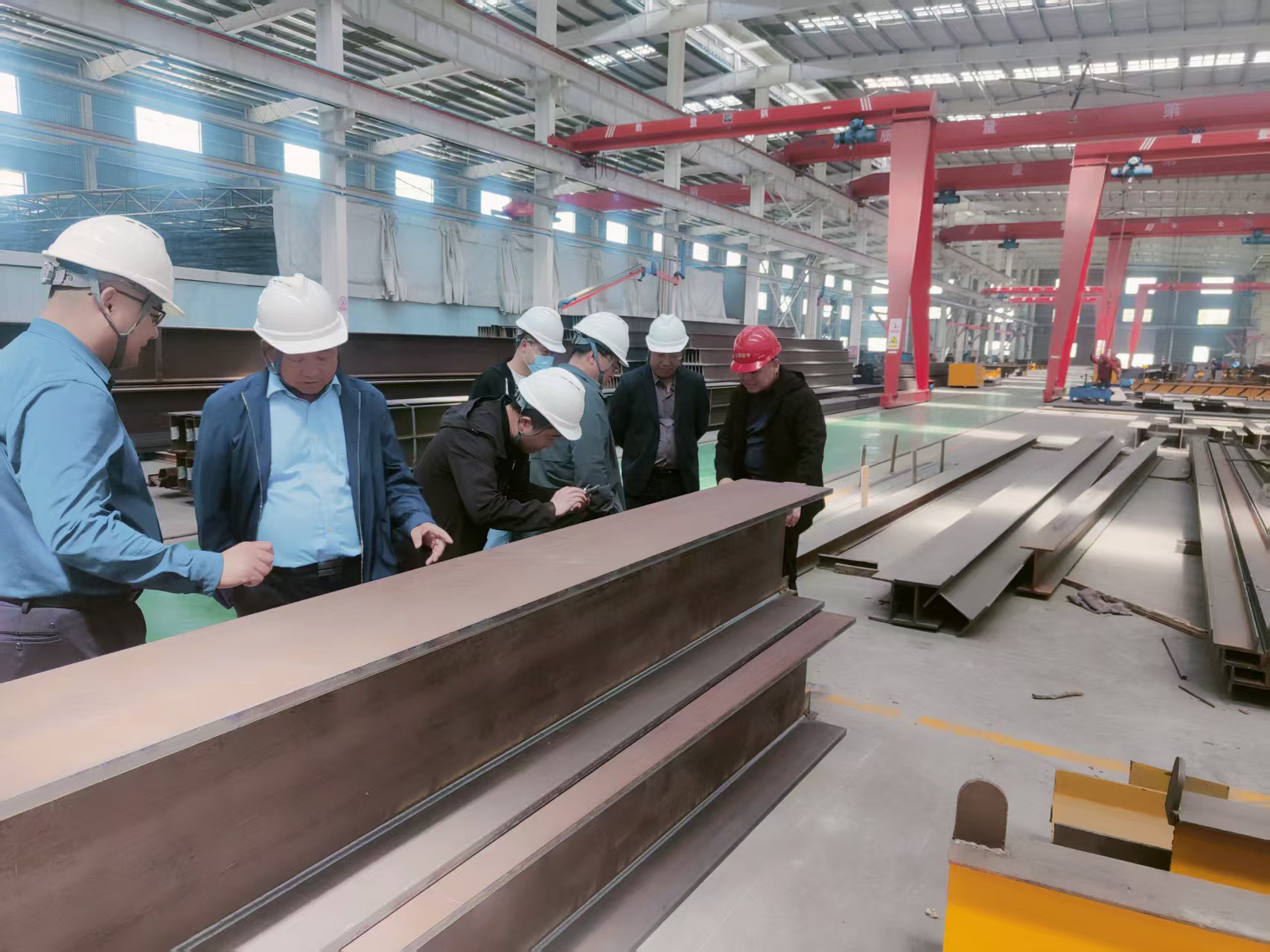
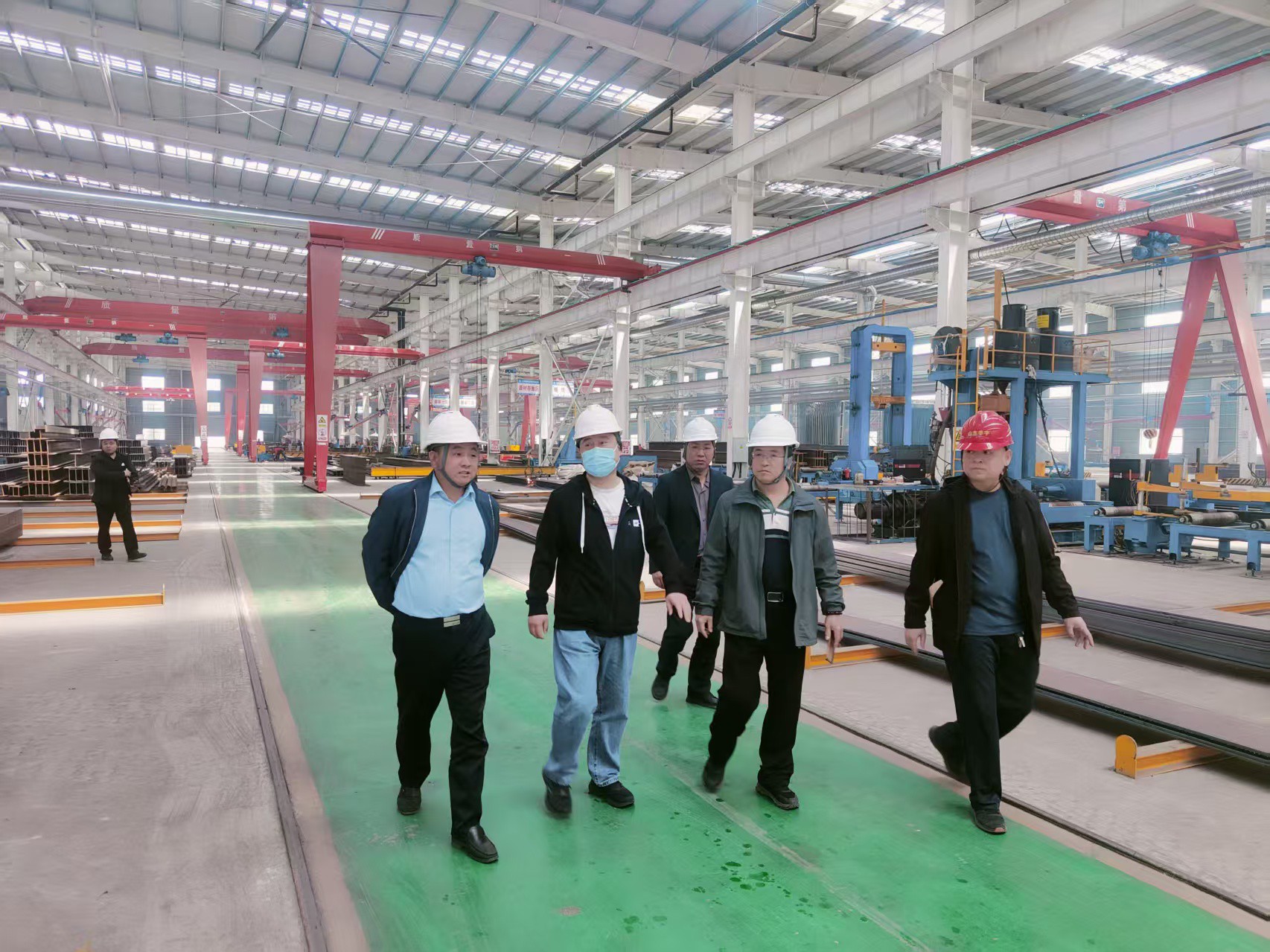
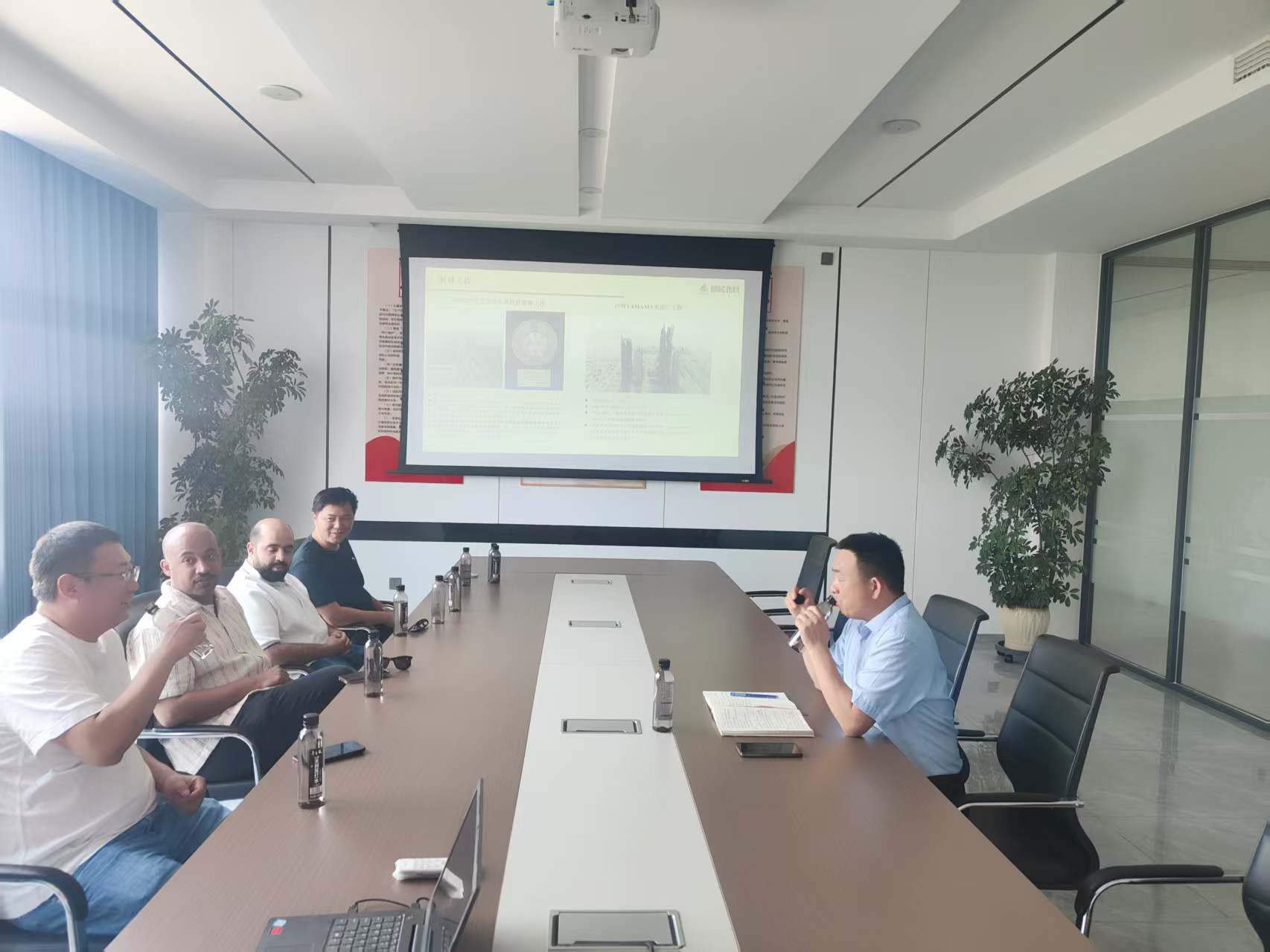
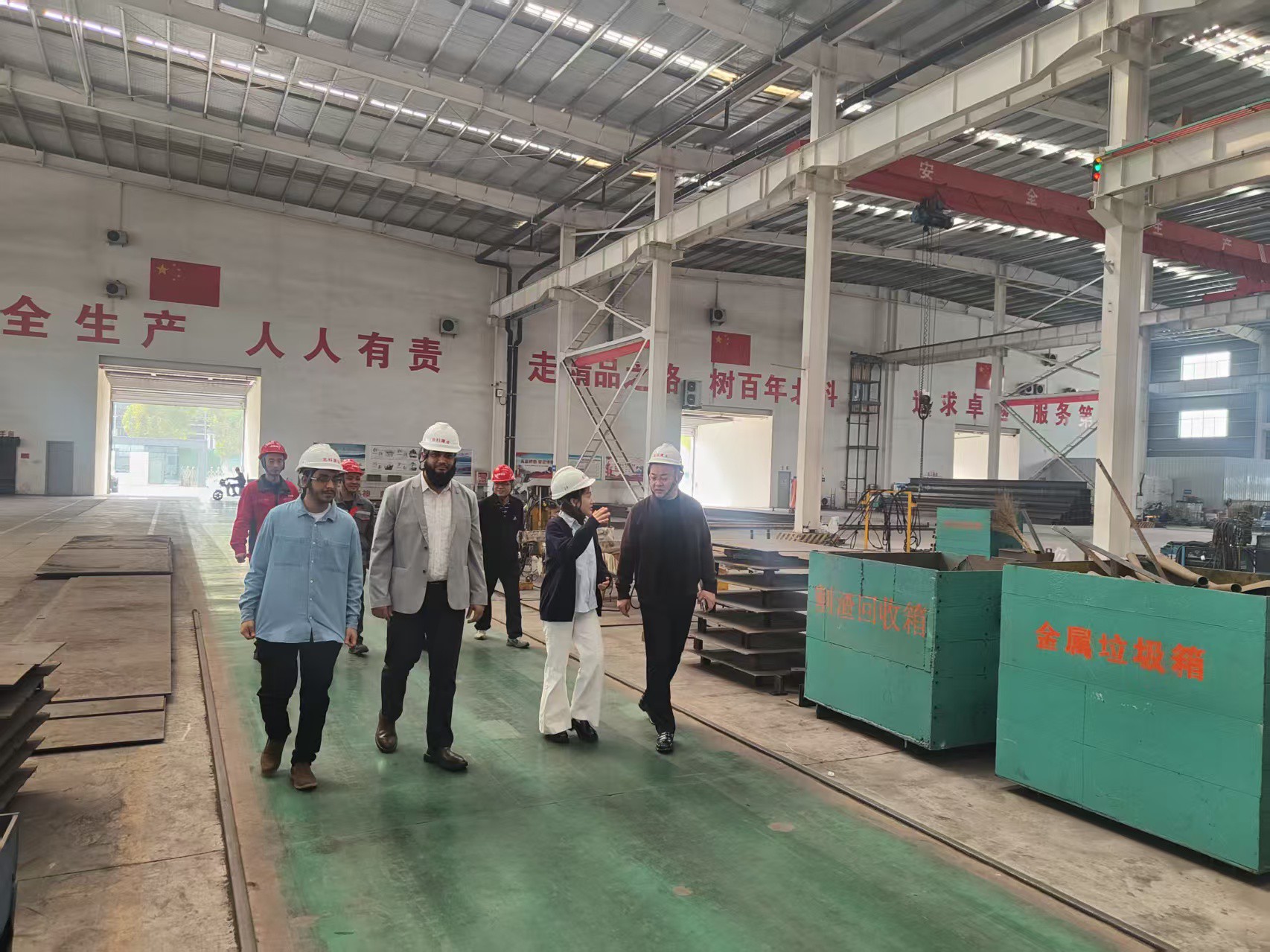
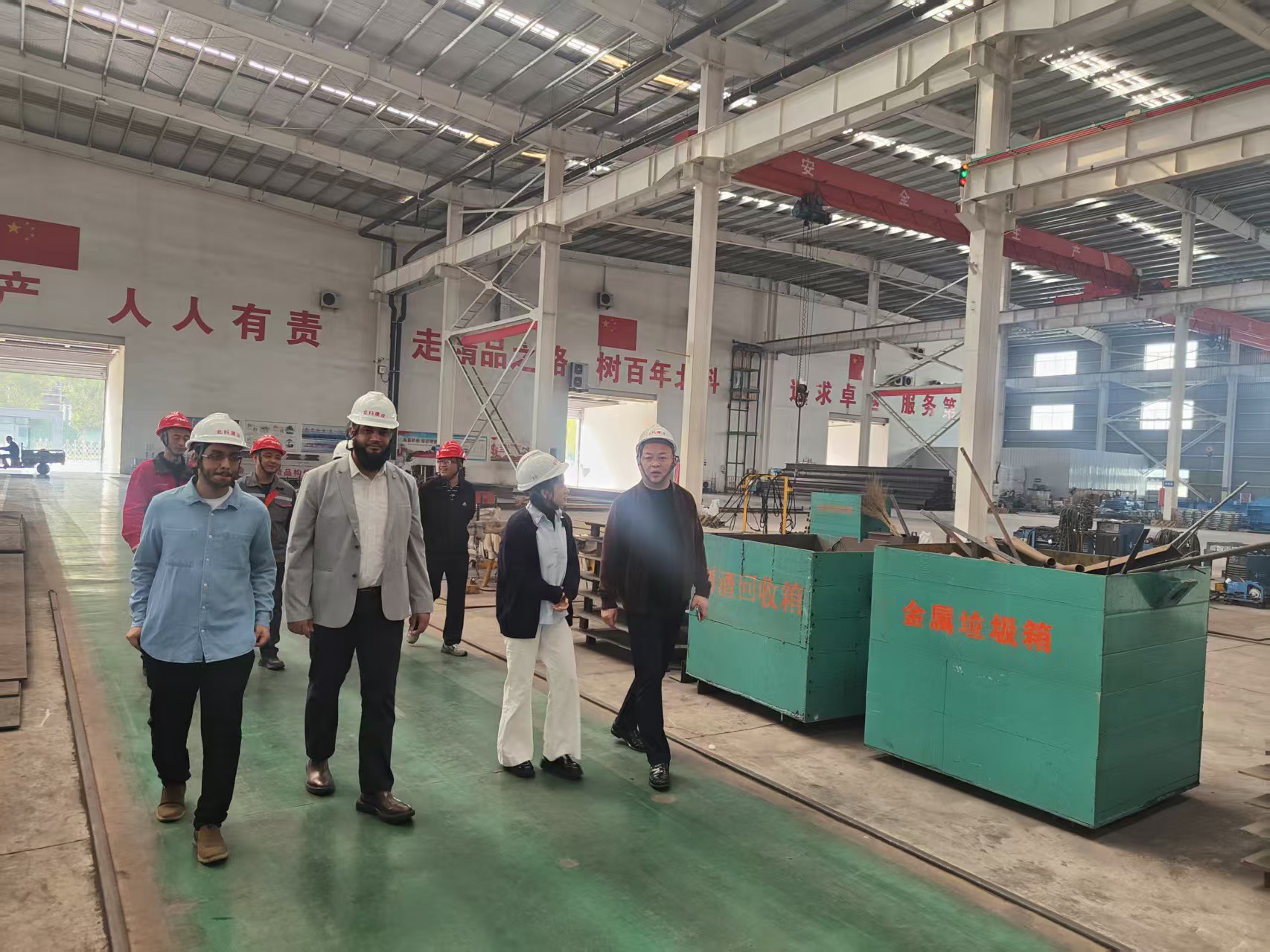
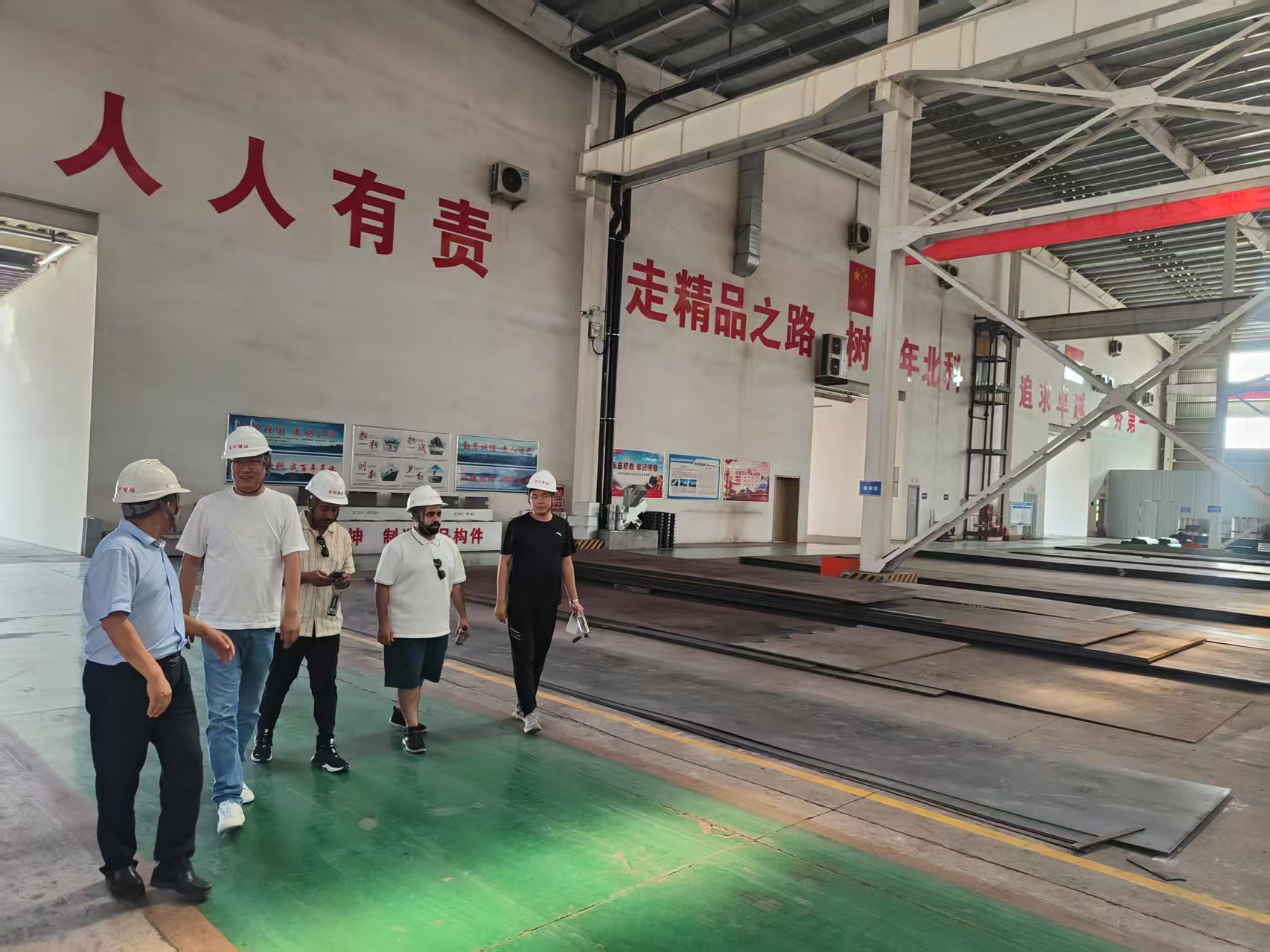
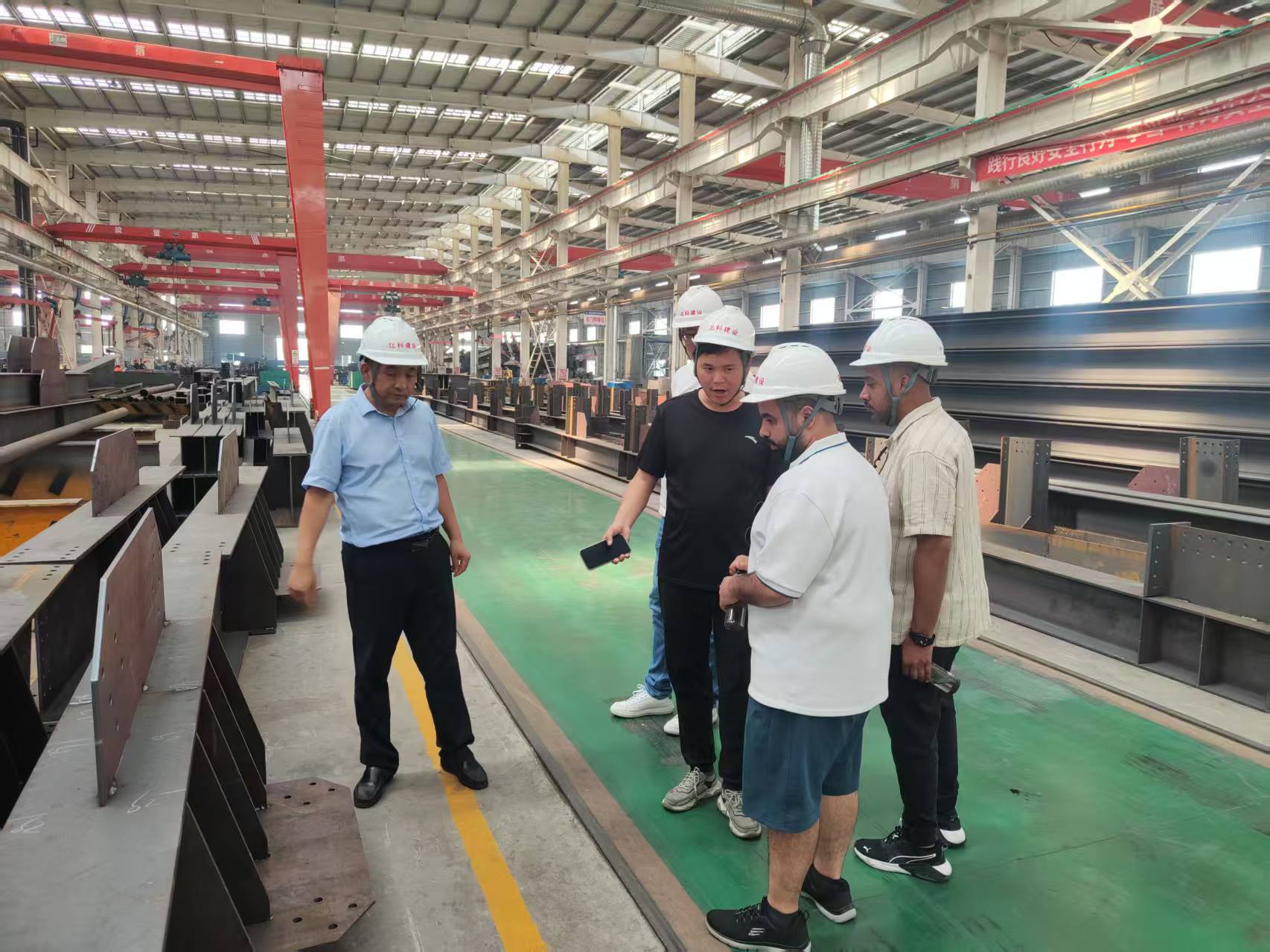
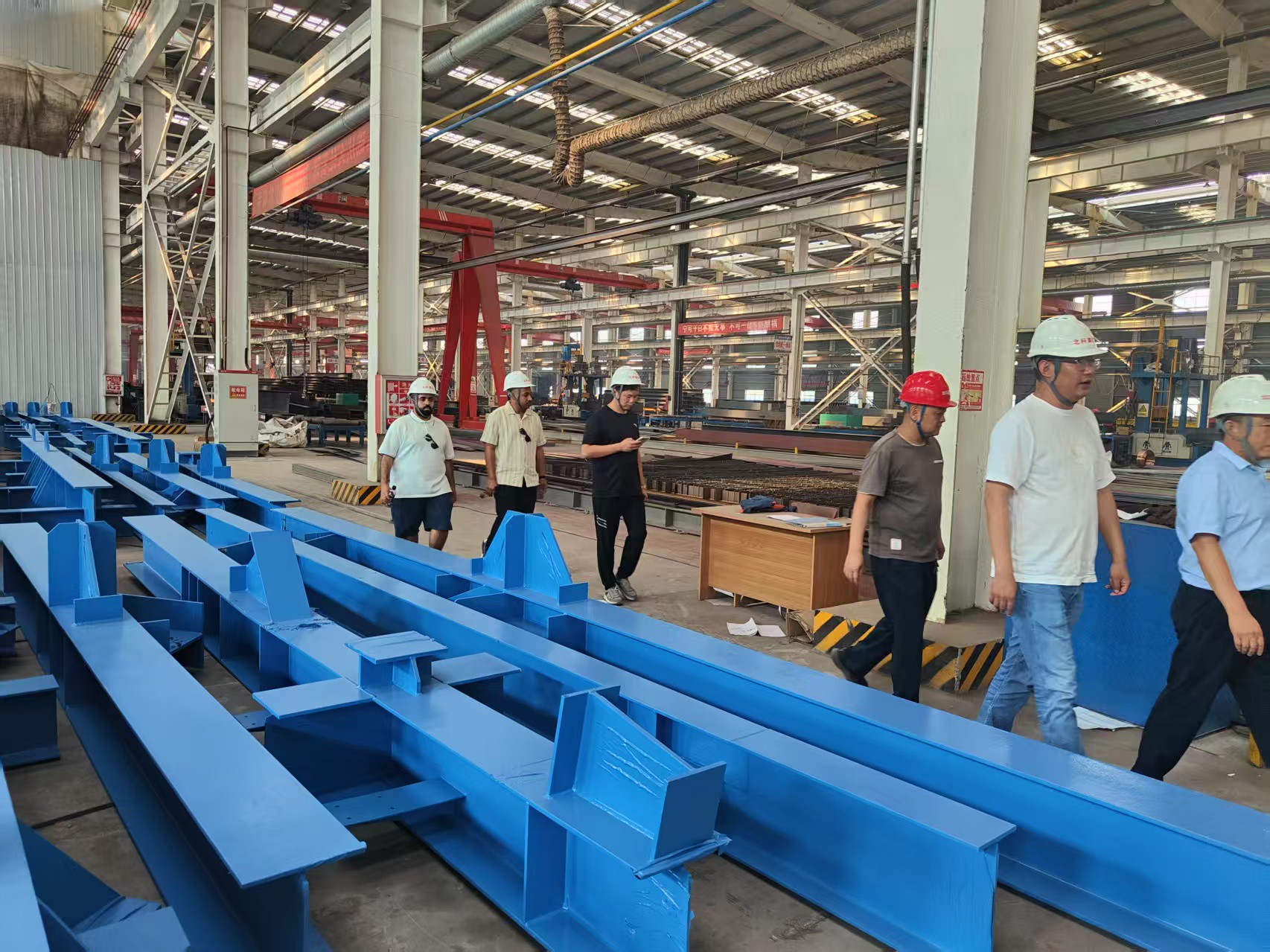
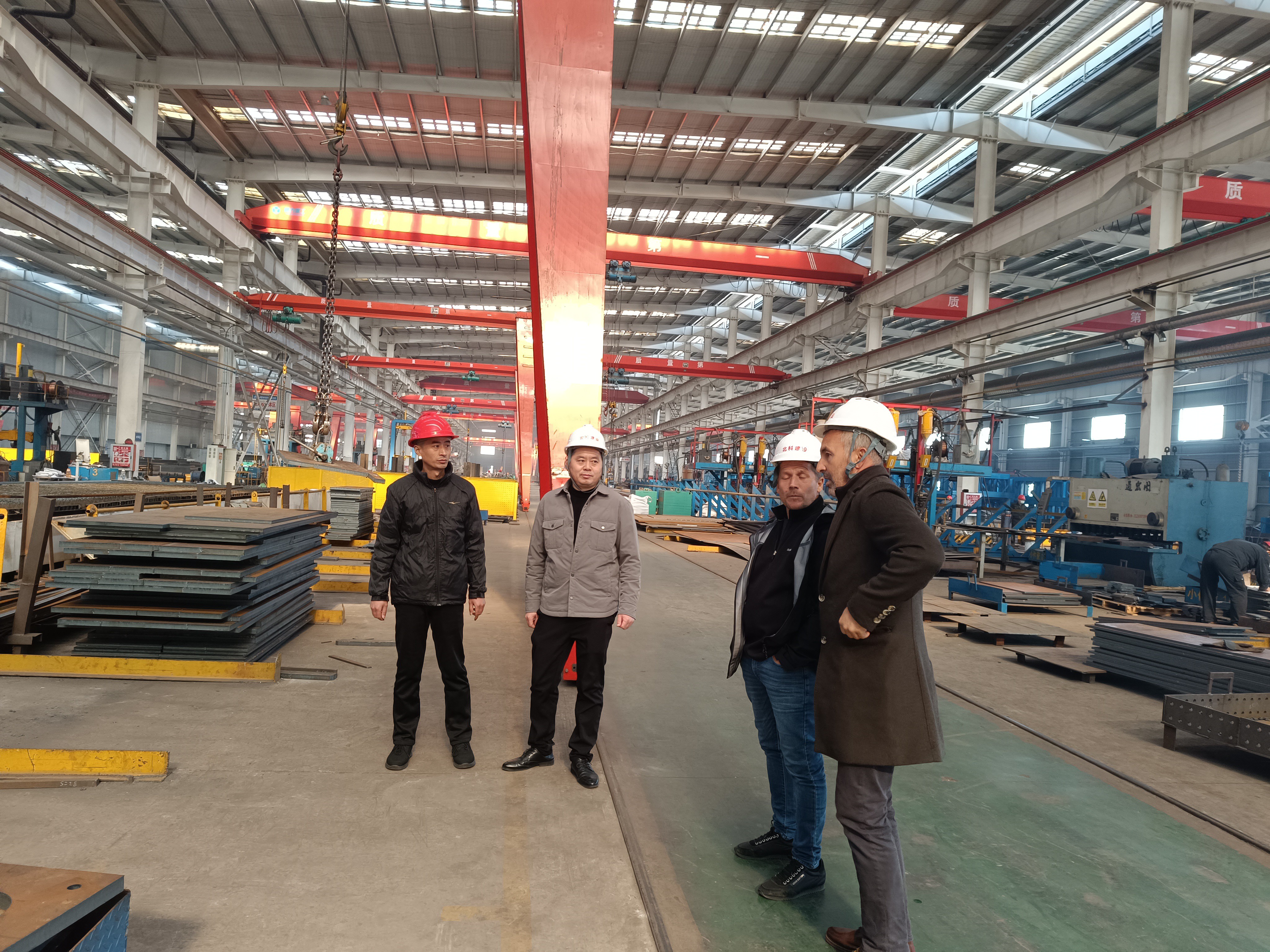
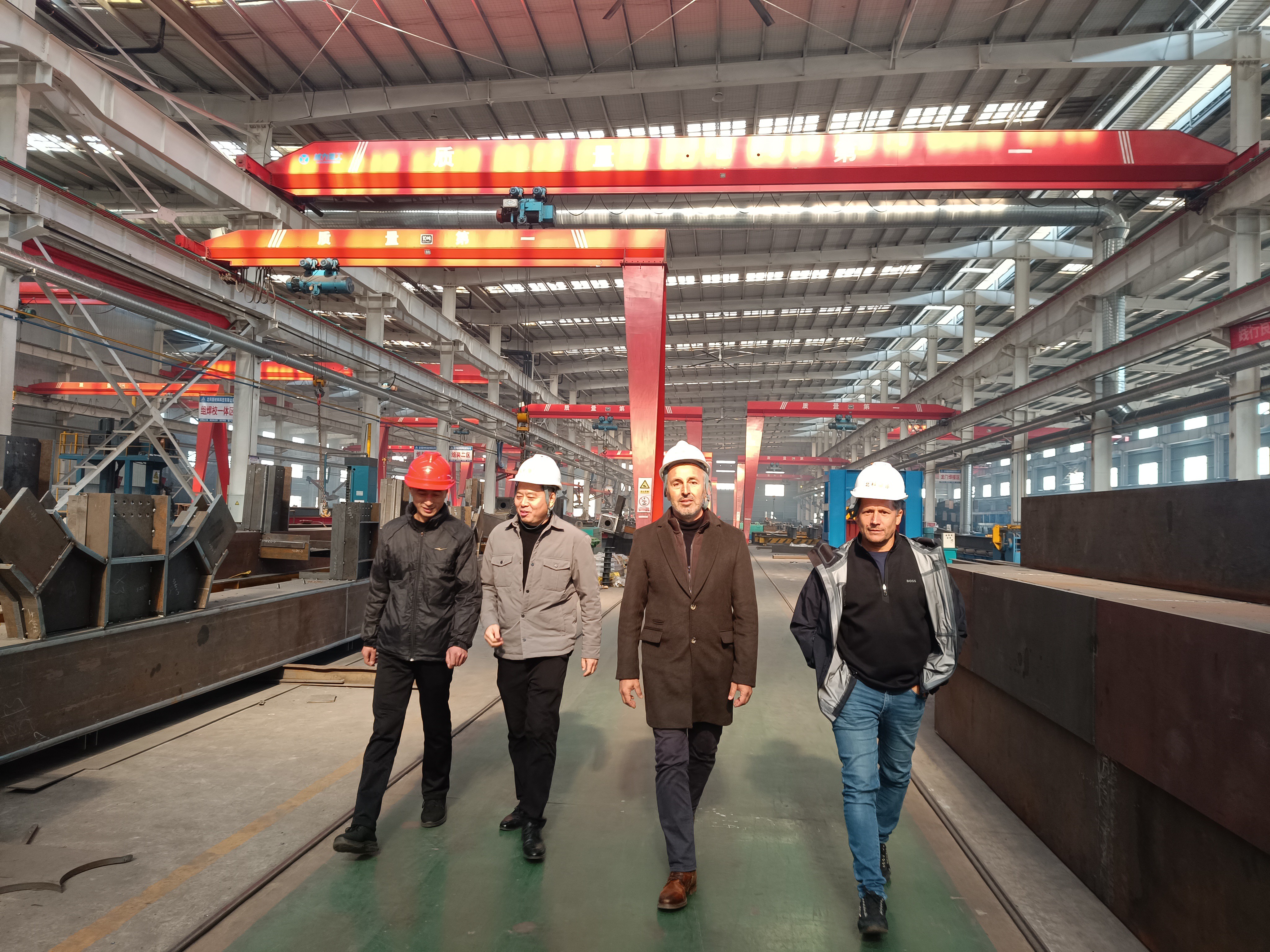
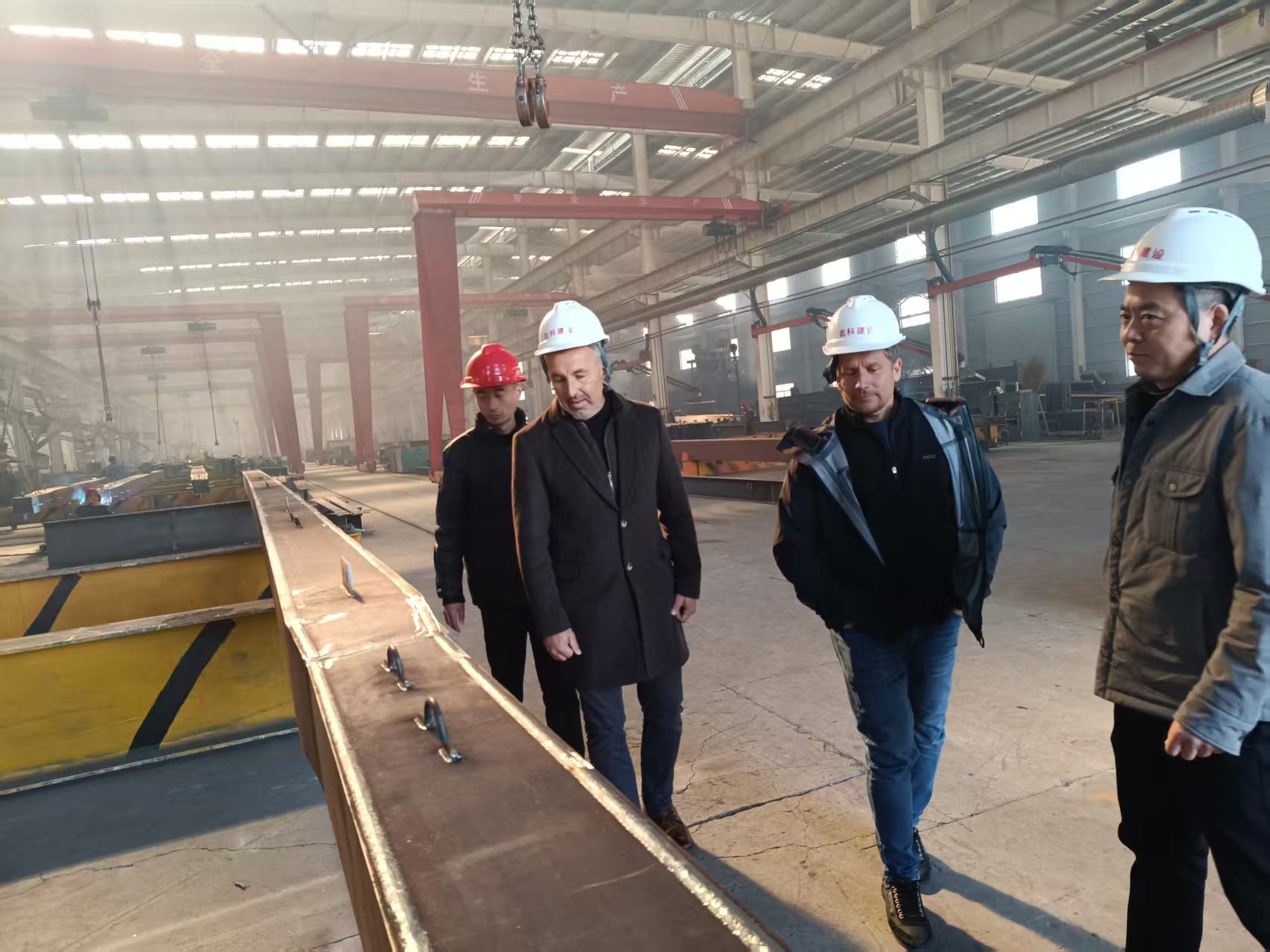
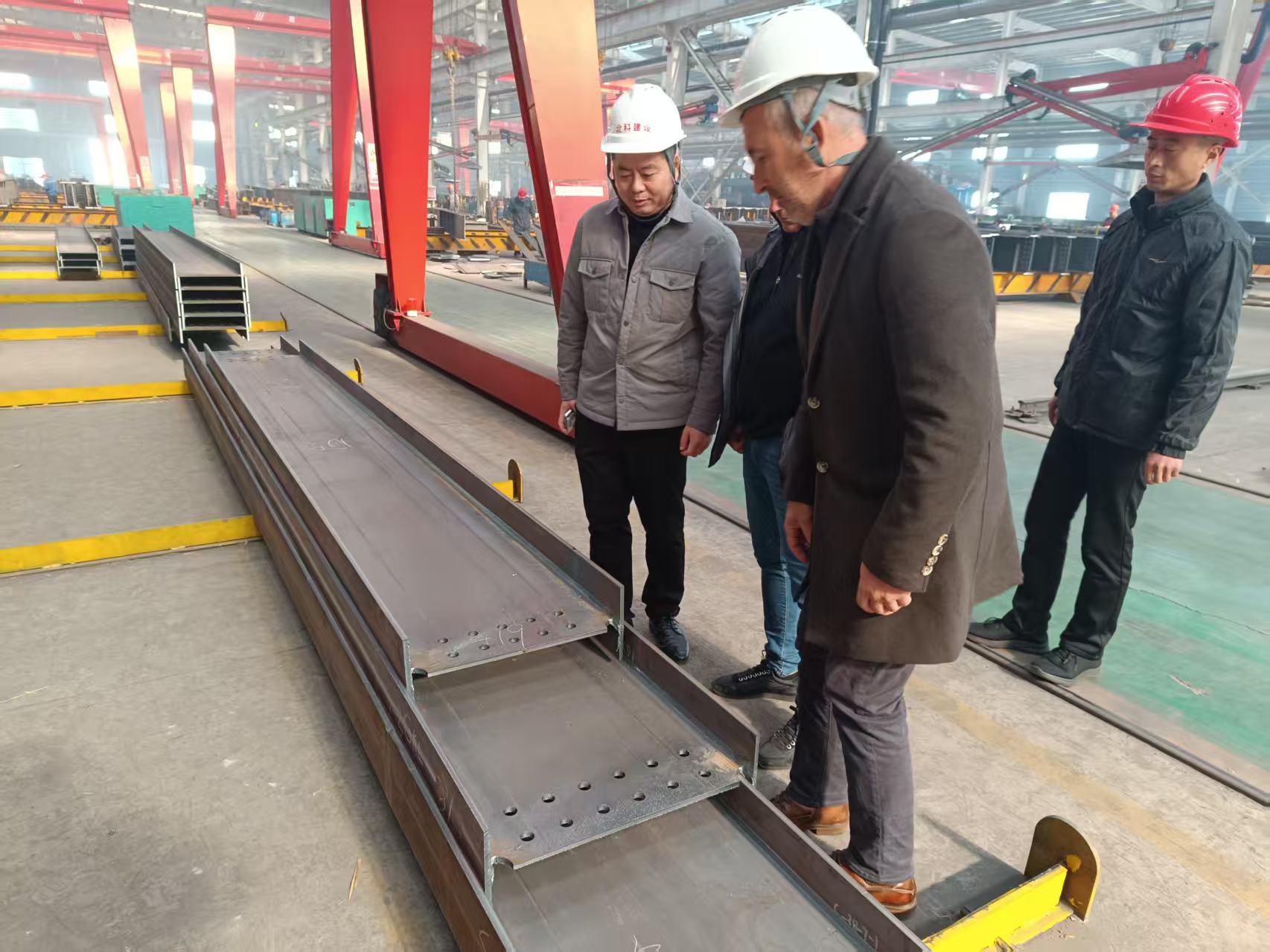
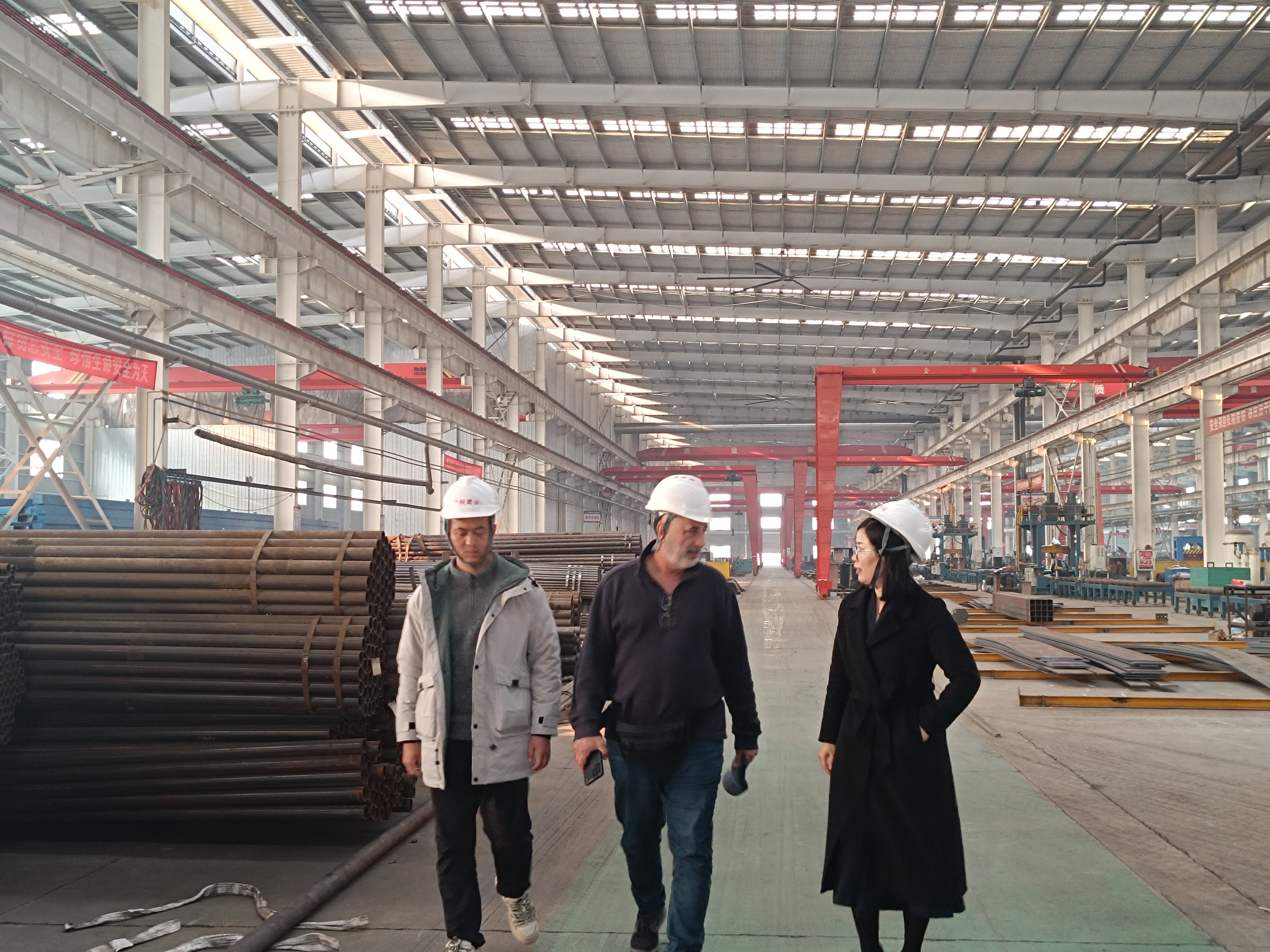
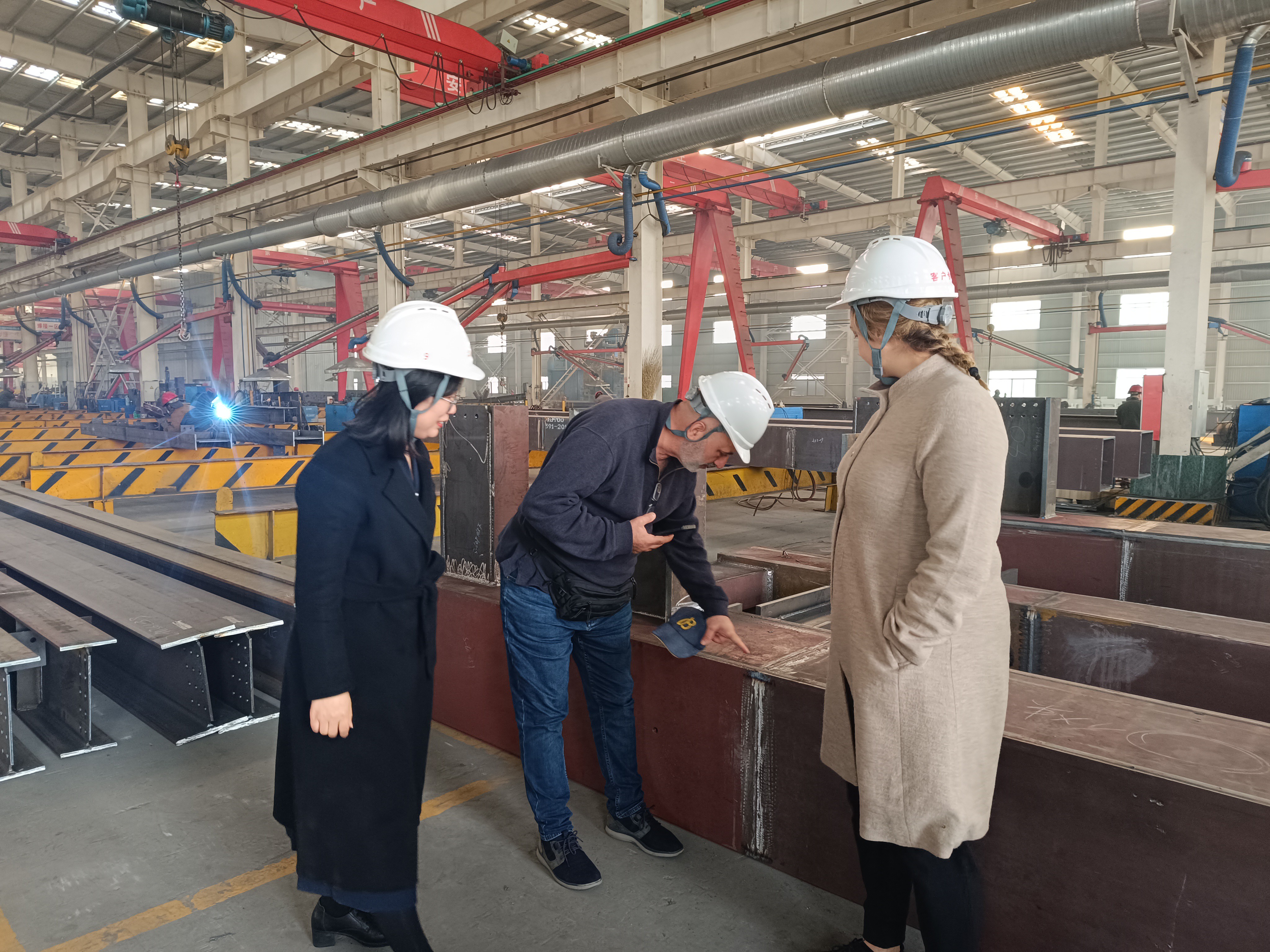
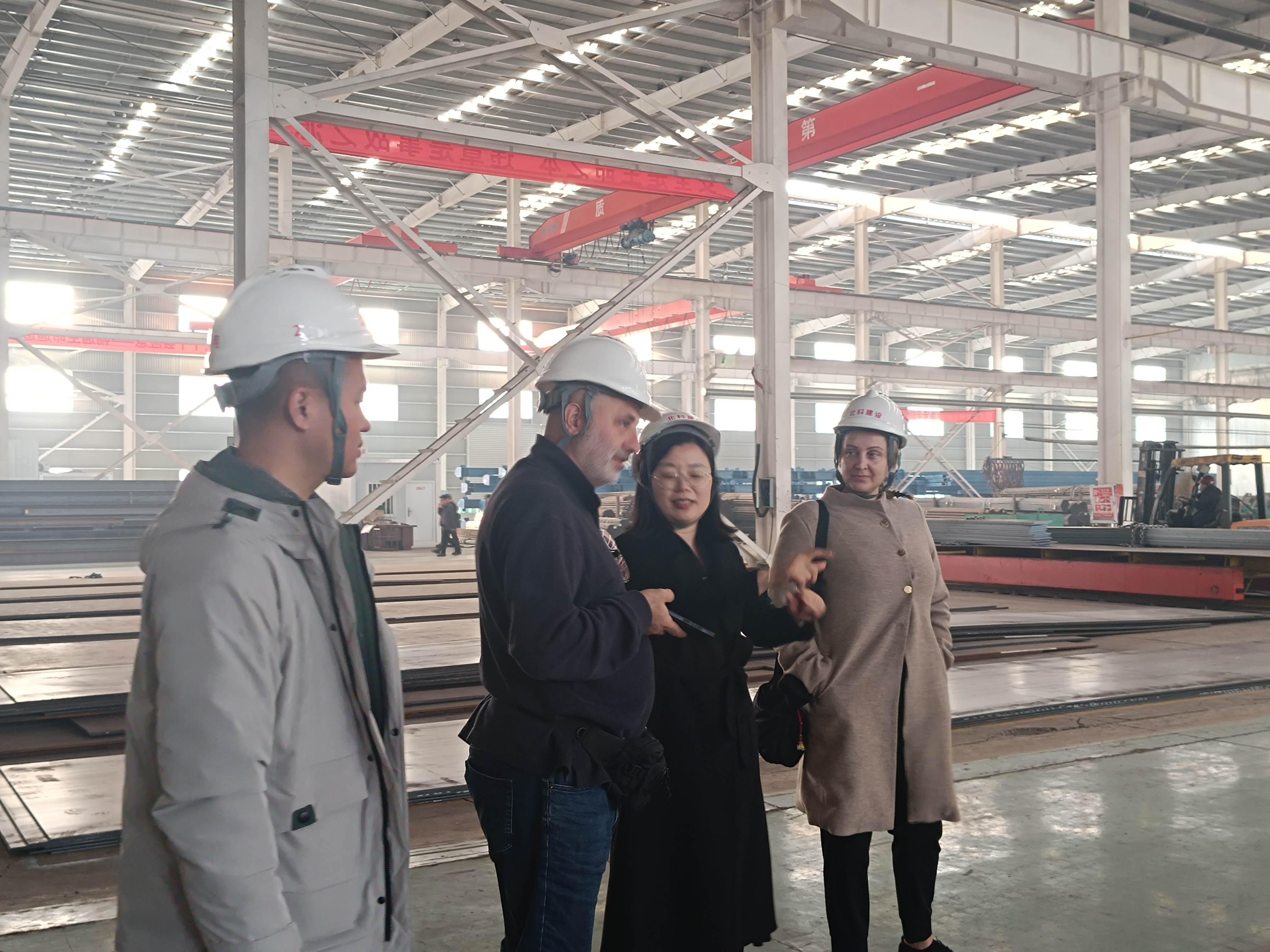
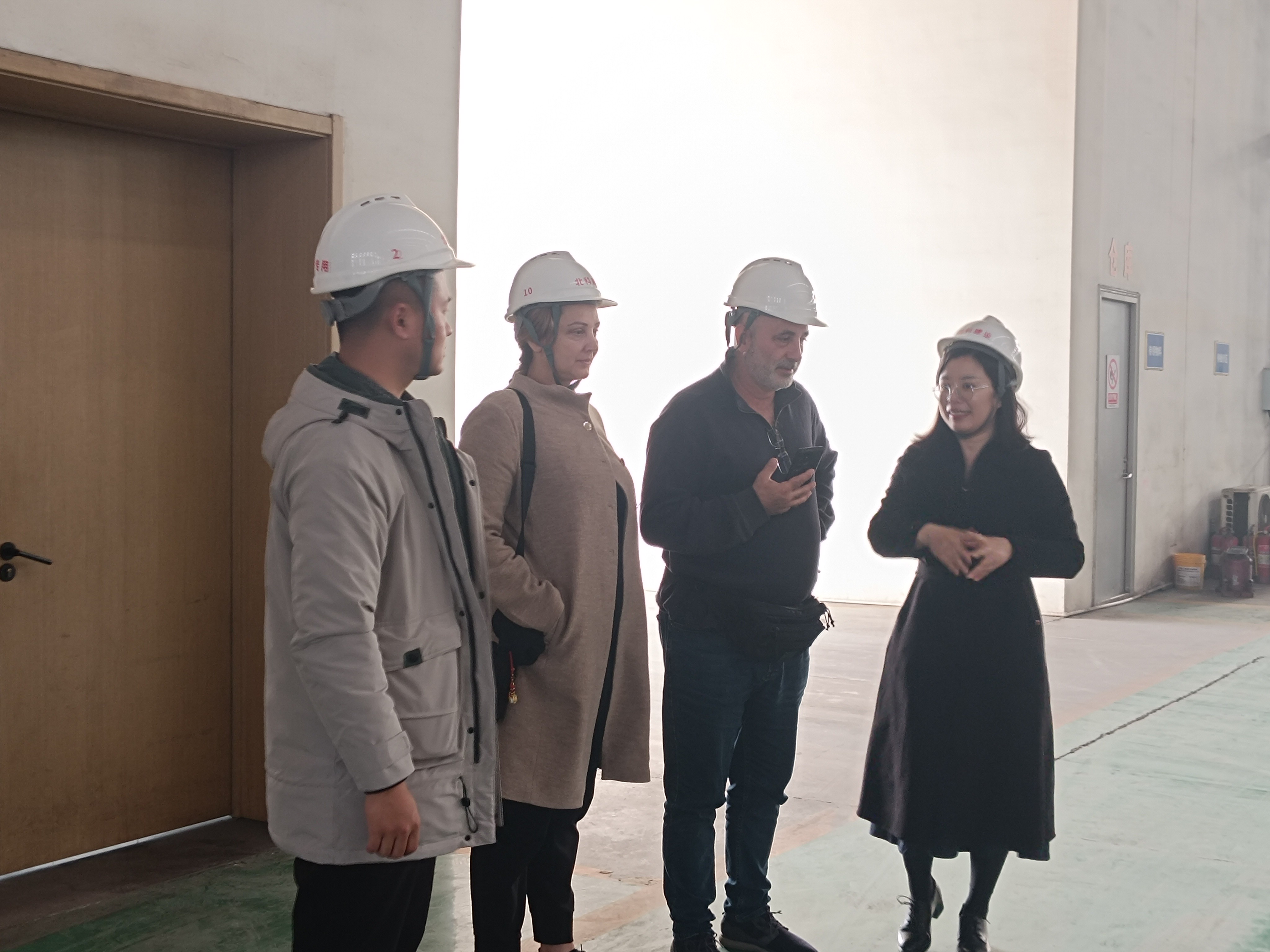
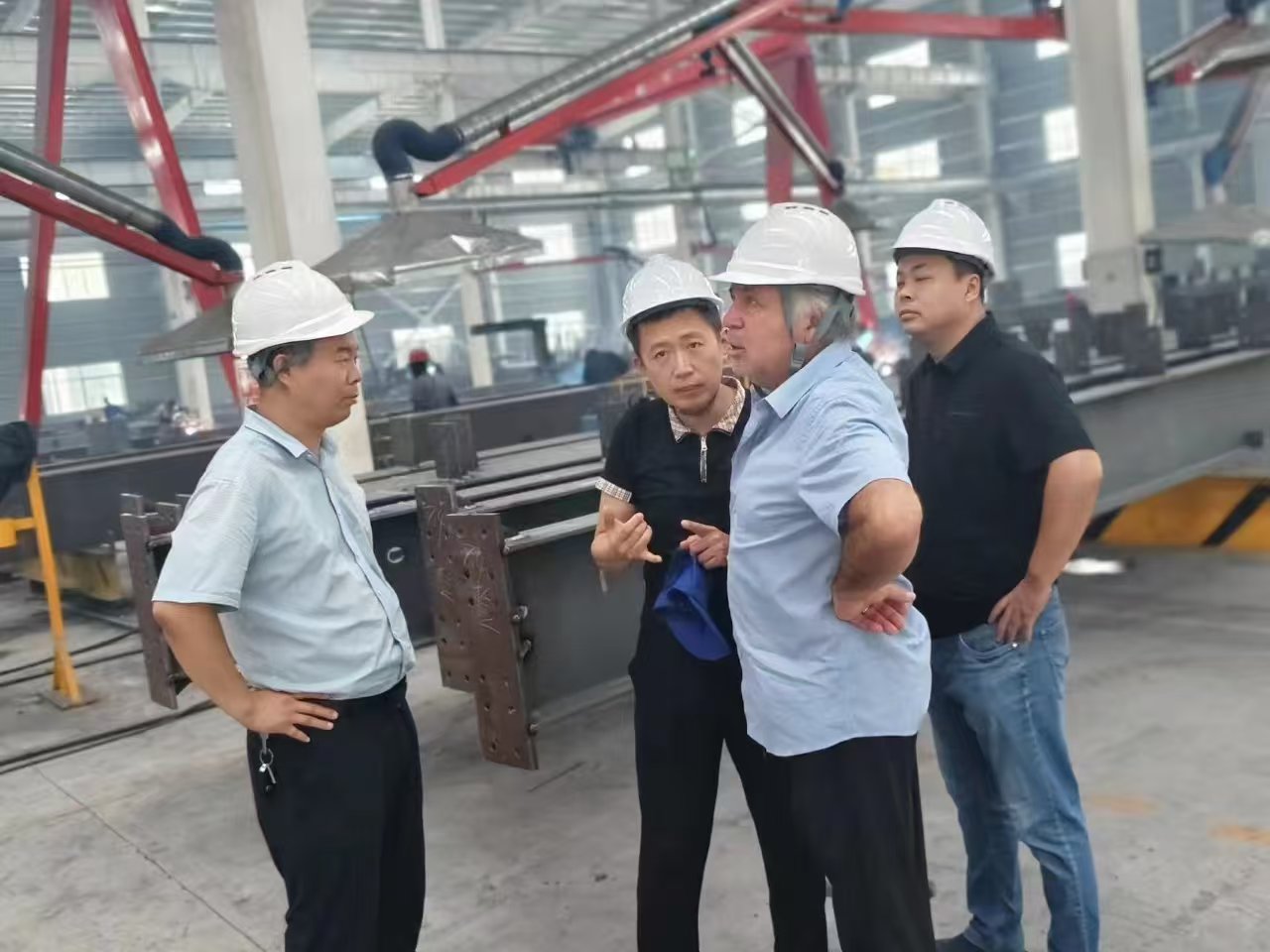
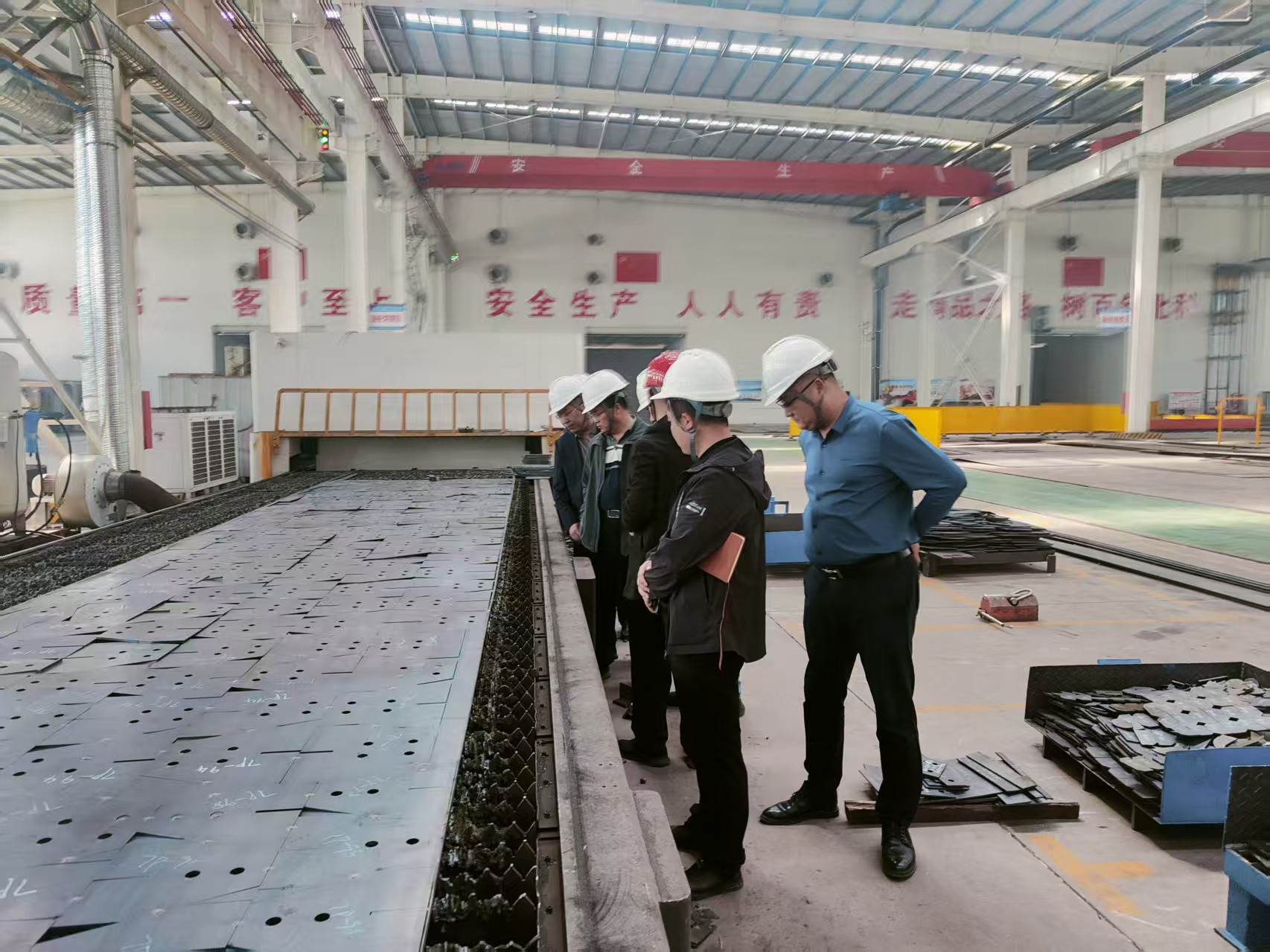
Customer visit
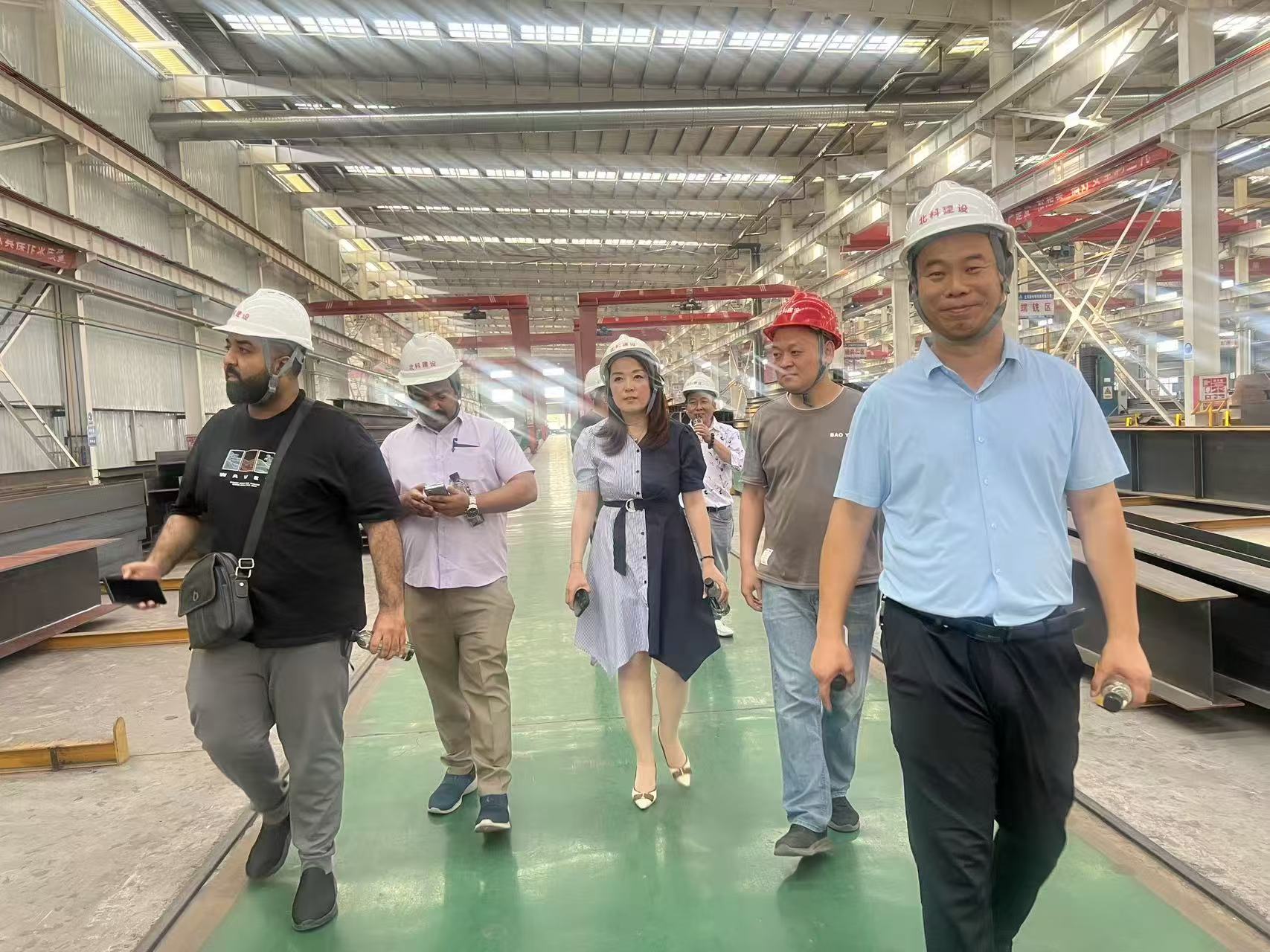
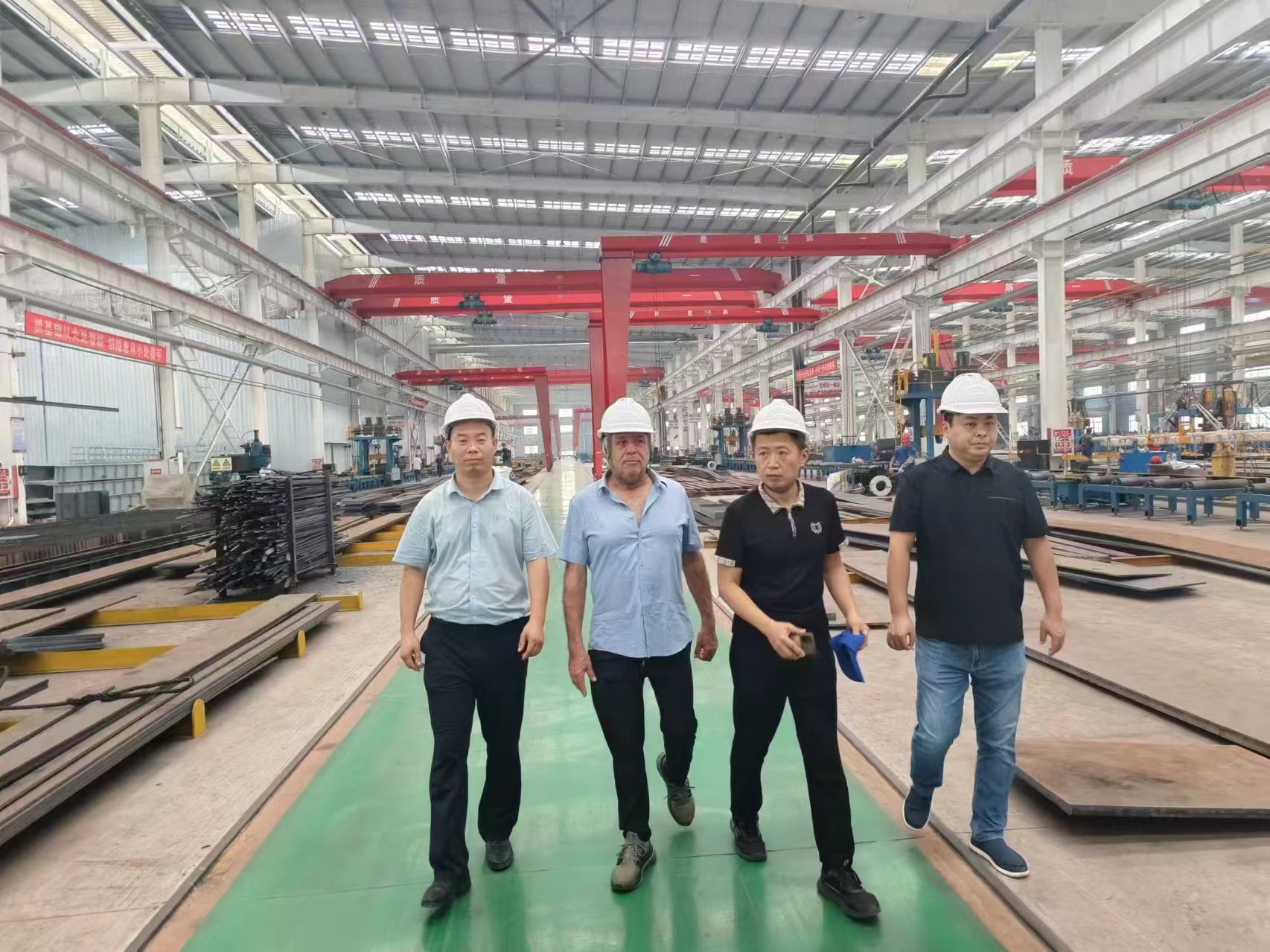
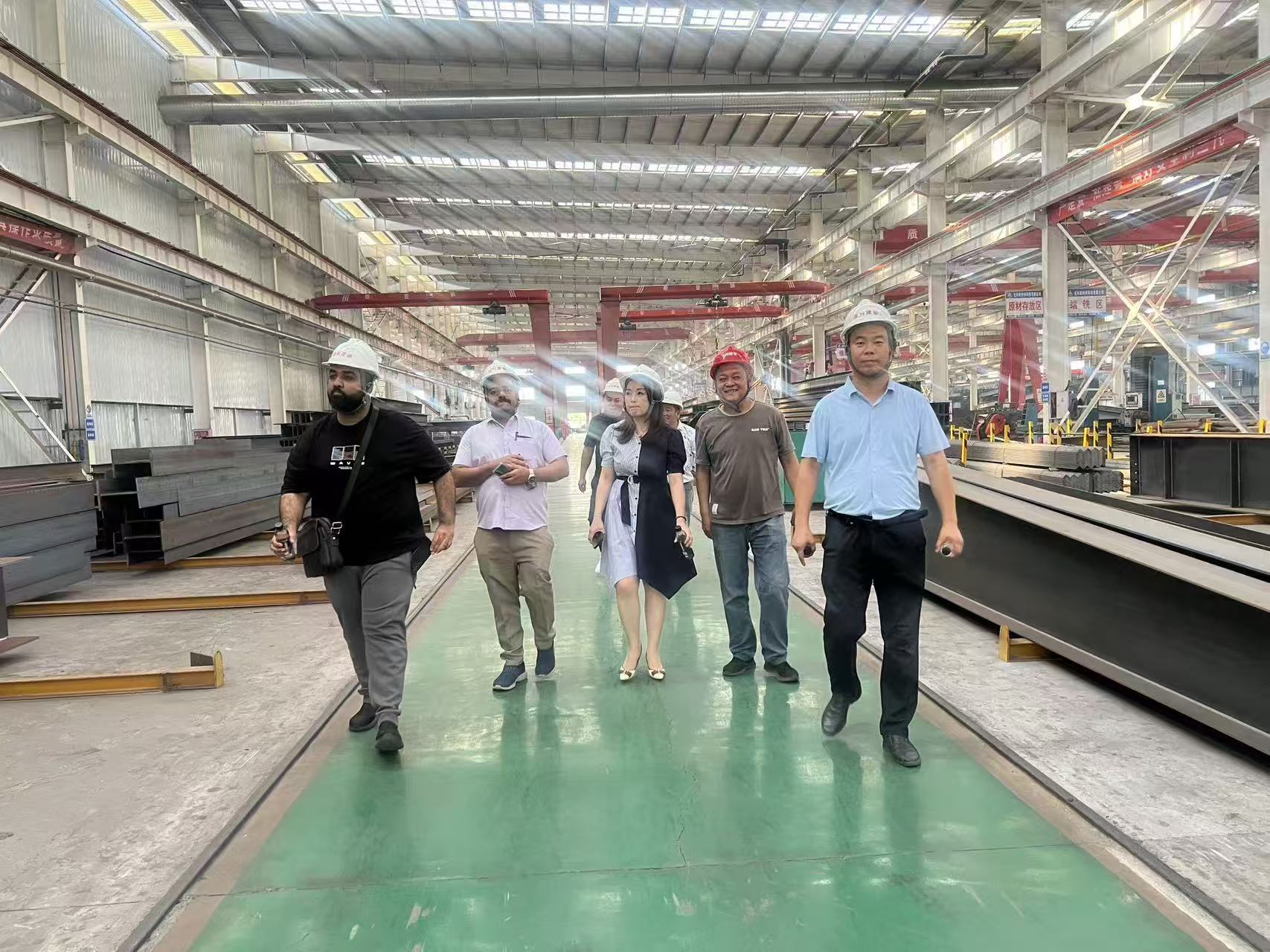
FAQ
Zhengcheng is a steel structure manufacturer and project service provider based in Shandong, China. We focus on customized steel structure buildings and fabricated steel components for industrial plants, warehouses, workshops, livestock buildings, parking structures, bridges, and overseas project applications. What makes us different is not only production capacity, but the way we support the whole project. Our factory team can handle steel cutting, welding, drilling, surface treatment, component marking, packing, and loading, while our engineering and service team helps review drawings, confirm technical details, control quality, and support installation communication after delivery. Before production, we help you clarify the scope, materials, standards, coating, packing method, and delivery schedule. After shipment, we continue to provide drawing support, installation guidance, and timely communication when your site team needs help.
We control quality from drawing review to final shipment, not only at the last inspection stage. Before production, our engineering team helps check drawings, material grades, dimensions, connection details, welding requirements, surface treatment, and packing needs. During fabrication, our factory team controls cutting, welding, drilling, assembly accuracy, bolt-hole position, component marking, and anti-corrosion treatment. Before shipment, we inspect the finished steel members, confirm quantities, check packing lists, take photos when needed, and arrange loading carefully to reduce damage and missing parts. For overseas projects, our service team can continue to support installation communication after delivery, including drawing clarification, component identification, and technical coordination when your site team needs help.
We supply customized steel structure buildings and fabricated steel components for overseas projects, including workshops, warehouses, industrial plants, multi-storey steel buildings, livestock houses, parking garages, bridge components, Bailey bridges, grid steel structures, villas, stairs, platforms, pipe racks, and related steel parts. Zhengcheng is not only a product supplier. Our factory team can handle cutting, welding, drilling, surface treatment, marking, packing, and loading, while our engineering and service team helps review drawings, confirm materials, control quality, and support installation communication after delivery. We can help you turn drawings or project requirements into a practical steel structure solution.
You should choose Zhengcheng because we combine factory manufacturing, engineering support, quality control, and after-sales service in one team. We do not only quote steel weight. Before production, we help review drawings, materials, standards, coating requirements, packing details, and delivery schedule. During fabrication, our factory team controls cutting, welding, drilling, assembly accuracy, component marking, and surface treatment. Before shipment, we check quantities, packing lists, finished components, and loading details to reduce missing parts and site delays. For overseas projects, our service team continues to support you after delivery, including drawing clarification, installation communication, and technical coordination when your site team needs help. This is why we can help you reduce risk, control quality, and make steel structure projects easier to deliver.
We provide more than steel structure products. At Zhengcheng, we can support your project from early technical communication to final delivery and after-sales coordination. Before production, our engineering team can help review drawings, confirm materials, check dimensions, discuss standards, coating requirements, packing method, and delivery schedule. During fabrication, our factory team handles cutting, welding, drilling, assembly, surface treatment, component marking, quality inspection, packing, and loading. After shipment, our service team can continue to provide drawing clarification, installation communication, component identification, and technical coordination when your site team needs support. For overseas projects, we can also cooperate with FOB, CFR, CIF, EXW and other delivery terms according to your project needs.
Please Contact Us
Product Recommendation
 Pre-Painted Steel Coil / PPGI CoilLearn More
 Steel Highway Bridge Components and Fabricated Bridge Steel StructuresLearn More
 Railway steel structure bridgeLearn More
 Steel Structure for Power Plant Buildings and Industrial Energy FacilitiesLearn More
 DC51D Pre-Painted Galvanized Steel Coil for Roofing, Wall Cladding and Steel PanelsLearn More
 Pre-Painted Galvanized Steel Coil for Roofing, Wall Cladding and Steel PanelsLearn More
 S300GD+AZ Color Coated Corrugated Steel SheetLearn More
 S550GD+Z Color Coated Corrugated Steel SheetLearn More
 DC53D+Z Pre-Painted Galvanized Corrugated Steel SheetLearn More
 DC52D+Z Pre-Painted Galvanized Corrugated Steel SheetLearn More
 DC52D+Z Pre-Painted Galvanized Corrugated Steel SheetLearn More
 Pre-Painted Galvanized Corrugated Steel SheetLearn More