Prefab Steel Livestock Barns for Cattle, Sheep and Pigs
Product Parameters
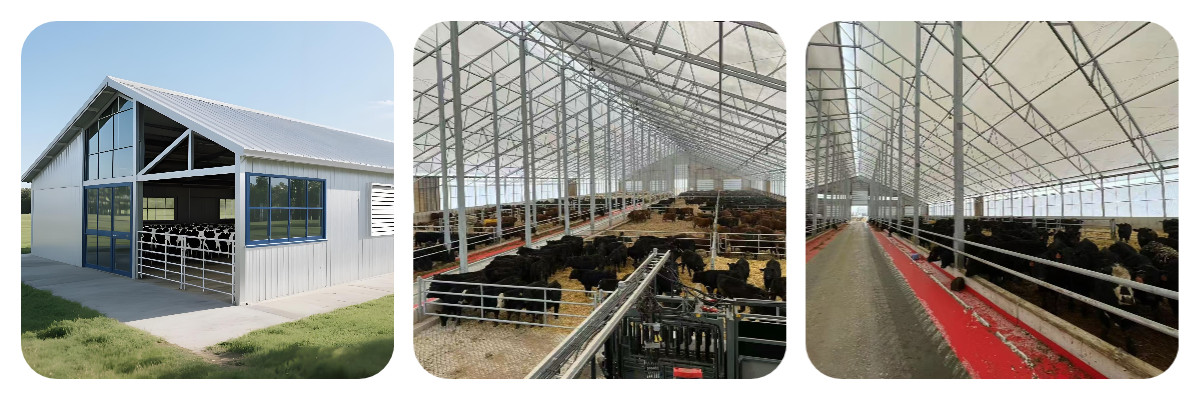
Product Overview
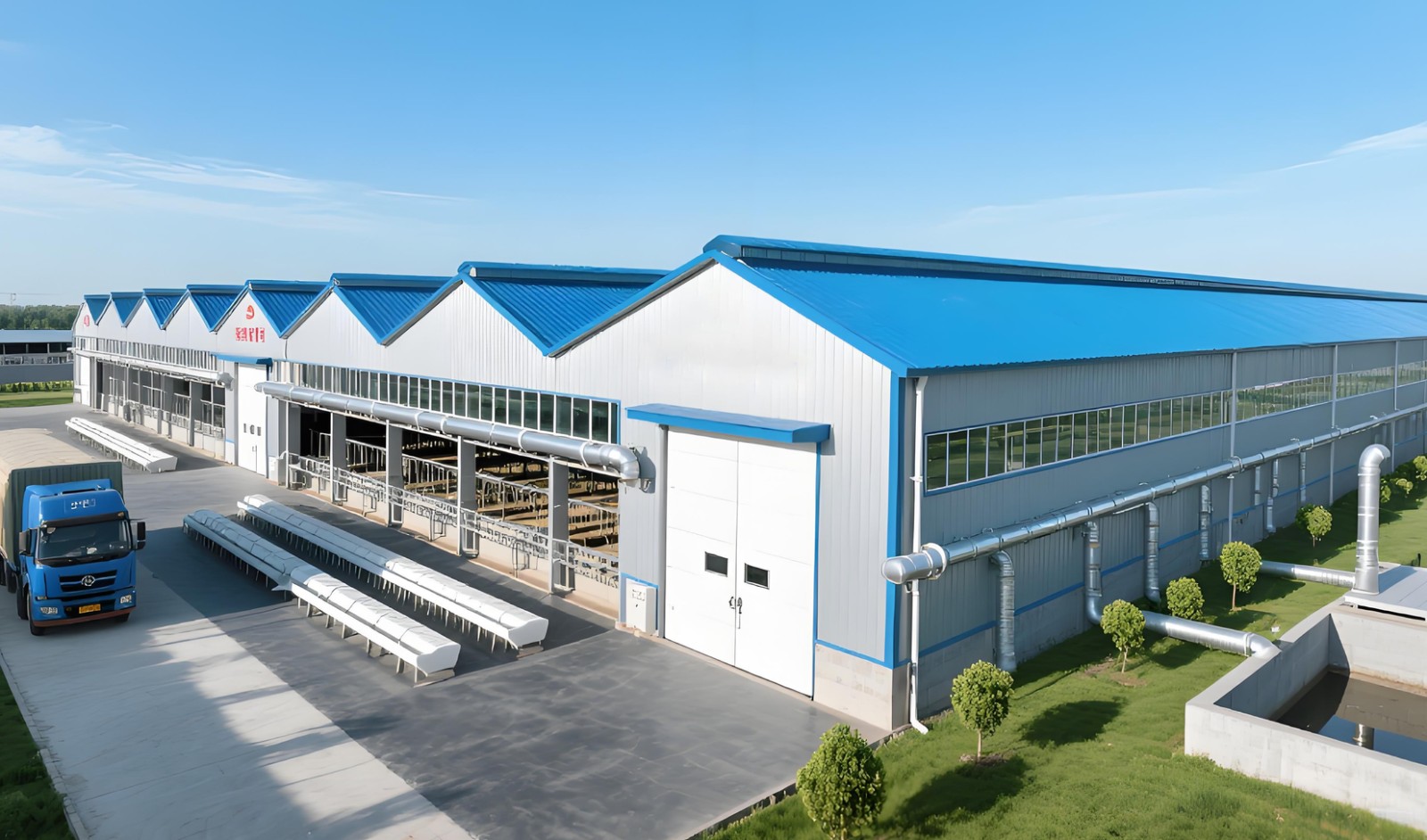
A livestock barn is not just a steel roof for animals. It must support feeding, drinking, resting, movement, cleaning, manure handling, ventilation, temperature control, equipment installation, and daily farm management.
For cattle, sheep, and pig farming projects, many problems come from rough early planning. If the ventilation is weak, the drainage is not clear, the roof height is not suitable, the walkway is too narrow, the anti-corrosion system is too light, or the packing list is confusing, the barn may become difficult to use after installation.
At Zhengcheng, we help you turn your livestock farming requirements into a practical steel structure barn solution. We can support the main steel frame, roof and wall enclosure, insulation system, ventilation layout, doors, gutters, pens, walkways, feeding area support, manure handling area, anti-corrosion coating, component marking, export packing, and installation communication.
We do not only look at the steel frame. We also pay attention to how the barn will be used every day: where animals move, where feed is placed, how air flows, how waste is removed, how workers clean the space, and how the building can stay easier to maintain over time.
2. Core Advantages
2.1 Designed for Cattle, Sheep, and Pig Farming Use
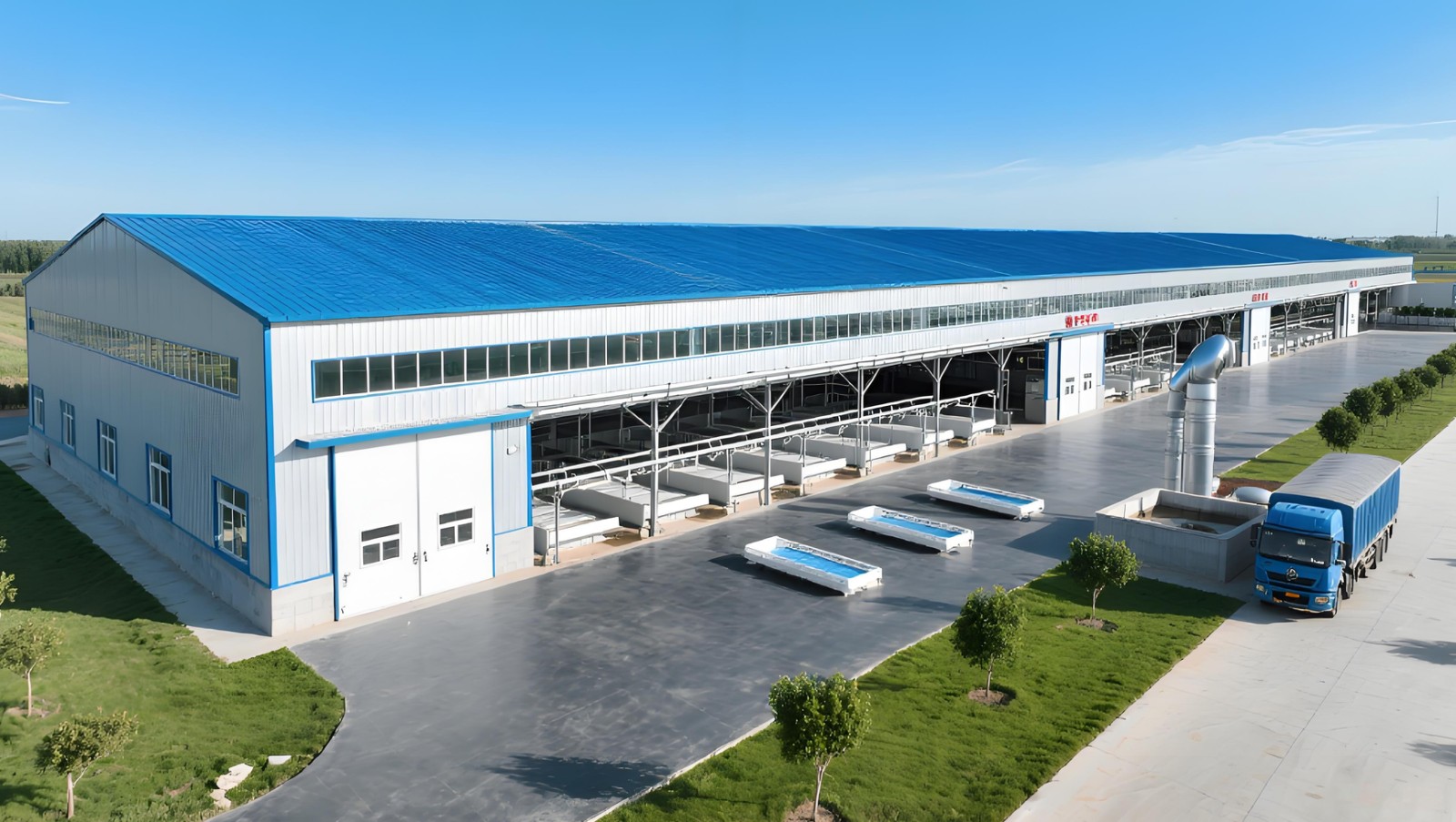
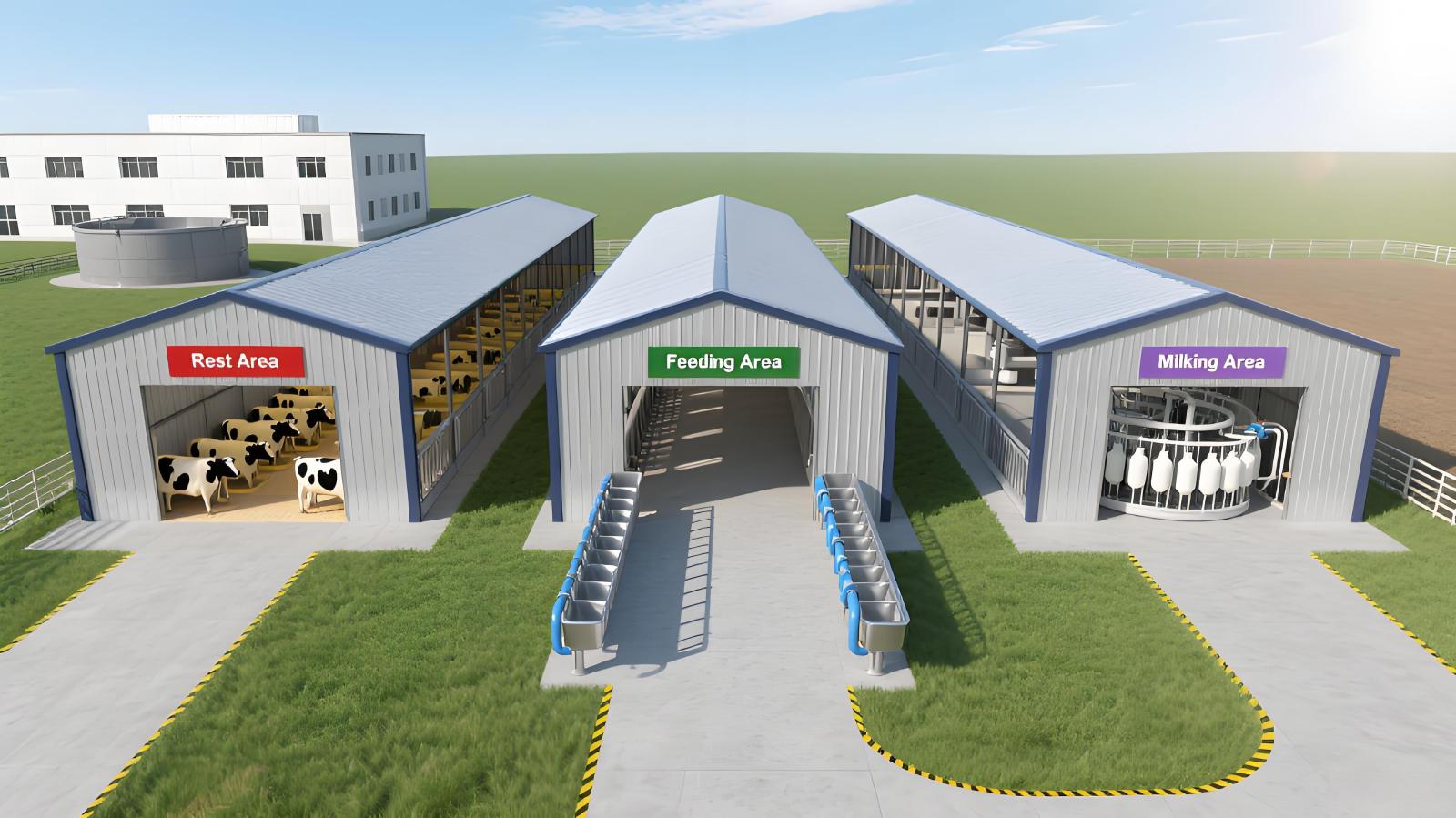
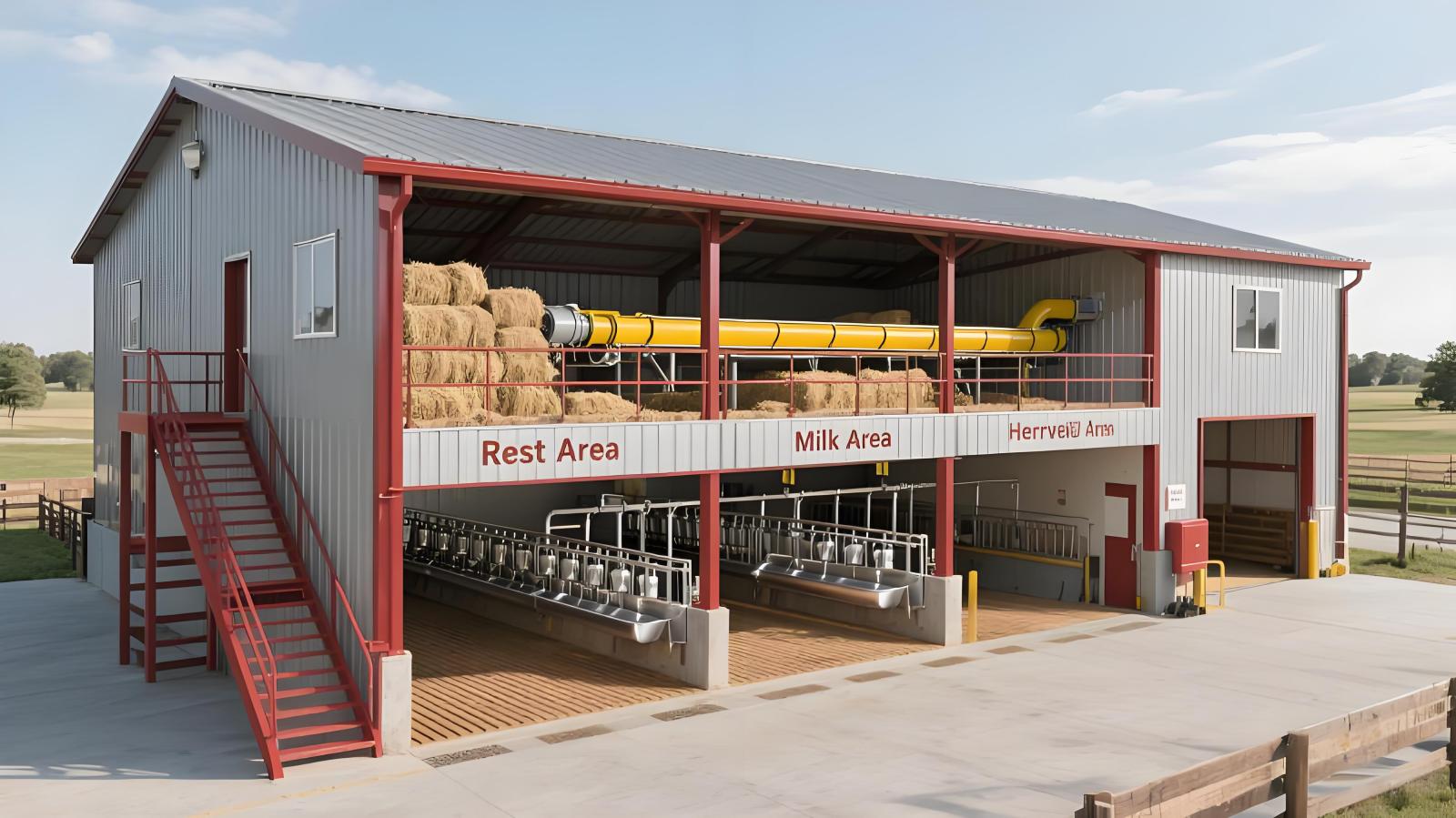
Different animals need different barn layouts. Cattle barns need stronger space planning for large animals, feed alleys, resting areas, and manure handling. Sheep barns need flexible pen layout, dry flooring, and easy group management. Pig barns need better ventilation, drainage, hygiene control, and pen division. We can help adjust the steel structure and enclosure system according to the farming type.
2.1 Designed for Cattle, Sheep, and Pig Farming Use
Different animals need different barn layouts. Cattle barns need stronger space planning for large animals, feed alleys, resting areas, and manure handling. Sheep barns need flexible pen layout, dry flooring, and easy group management. Pig barns need better ventilation, drainage, hygiene control, and pen division. We can help adjust the steel structure and enclosure system according to the farming type.
2.3 Better Ventilation and Indoor Comfort
Good ventilation helps reduce heat stress, moisture, odor, and poor air quality. The barn can be planned with side openings, ridge ventilation, wall louvers, exhaust fans, curtain systems, open-sided areas, or insulated panels according to local climate and farming method.
2.4 Easier Cleaning and Manure Handling
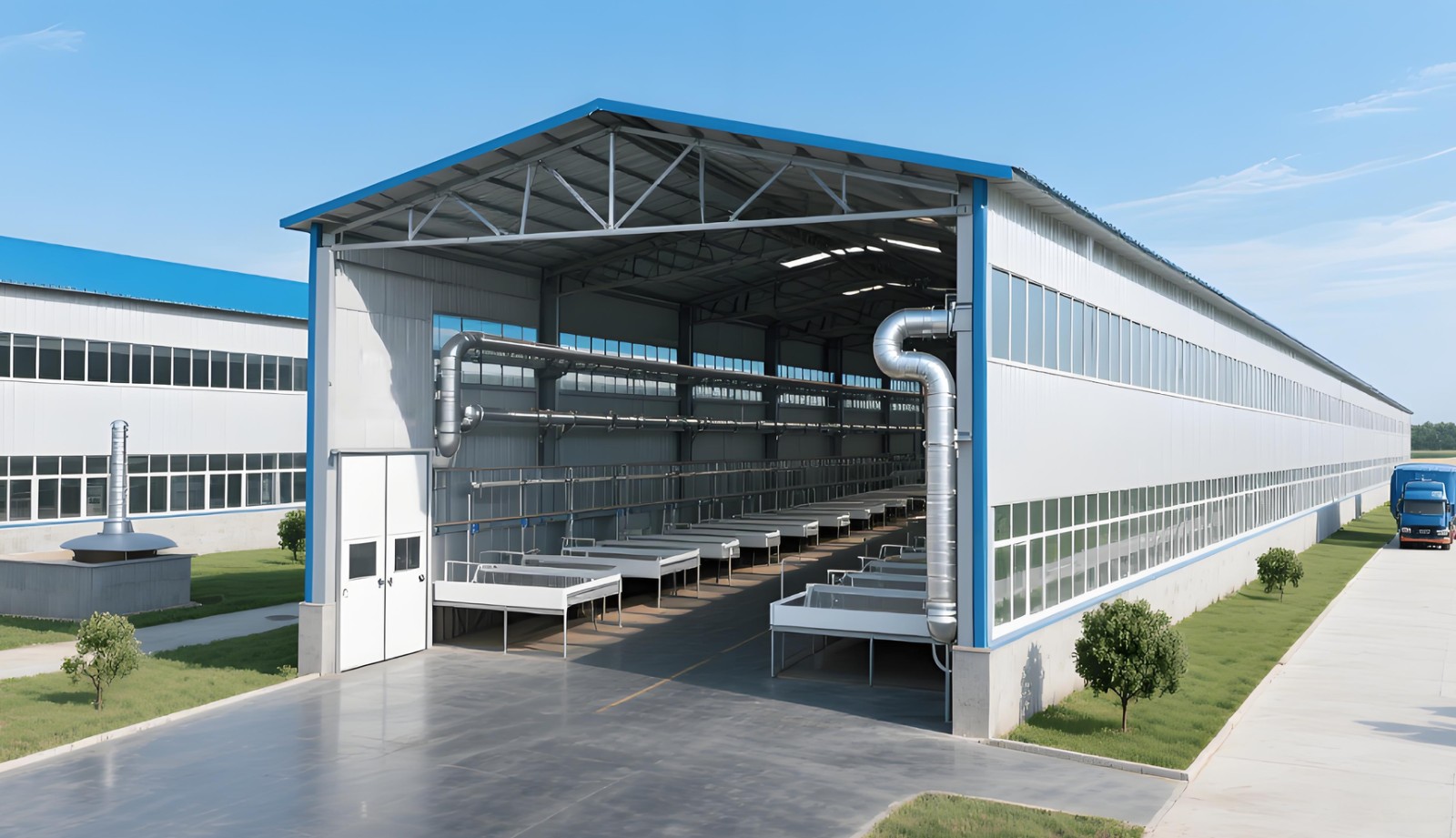
A livestock barn must be easy to clean after daily use. We can help reserve drainage direction, cleaning access, manure collection areas, service alleys, floor slope coordination, and equipment space, so the building is not only easy to install but also easier to manage.
2.4 Easier Cleaning and Manure Handling
A livestock barn must be easy to clean after daily use. We can help reserve drainage direction, cleaning access, manure collection areas, service alleys, floor slope coordination, and equipment space, so the building is not only easy to install but also easier to manage.
3. Common Technical Solutions
3.1 Cattle Barn Steel Structure
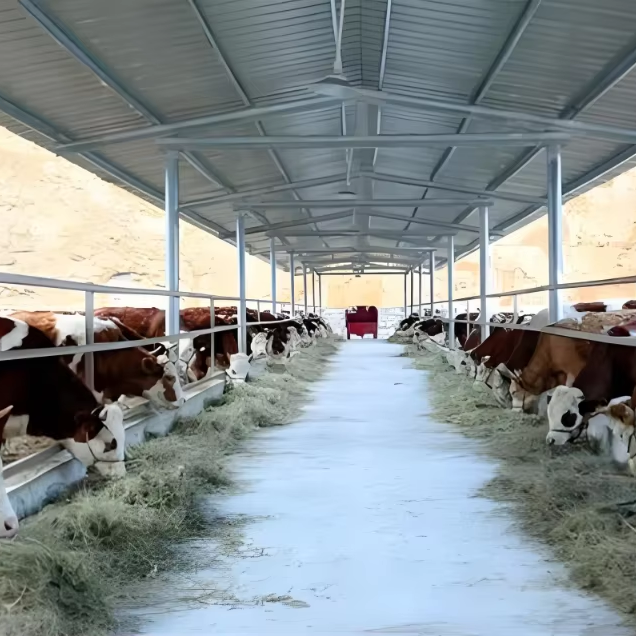
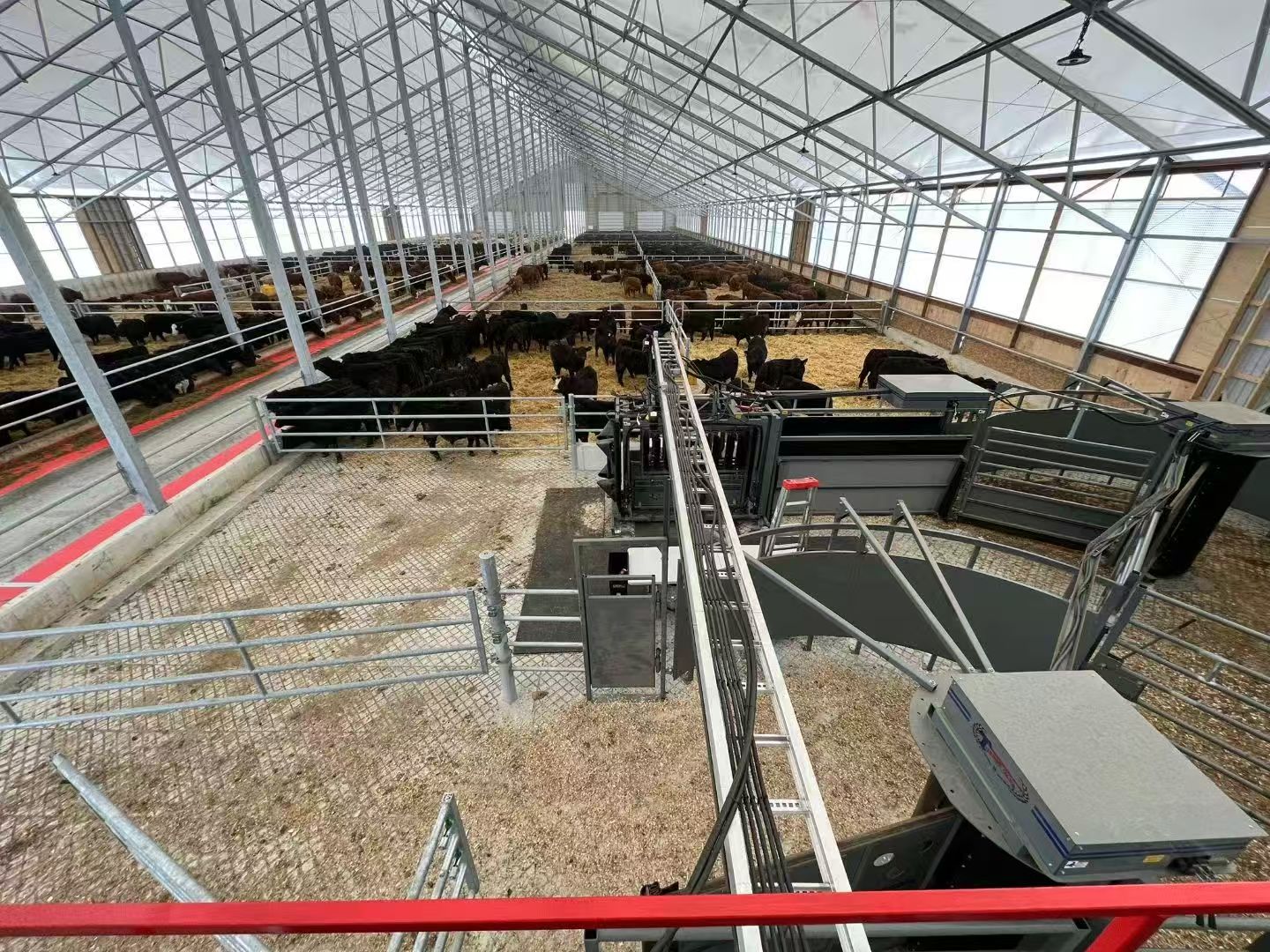
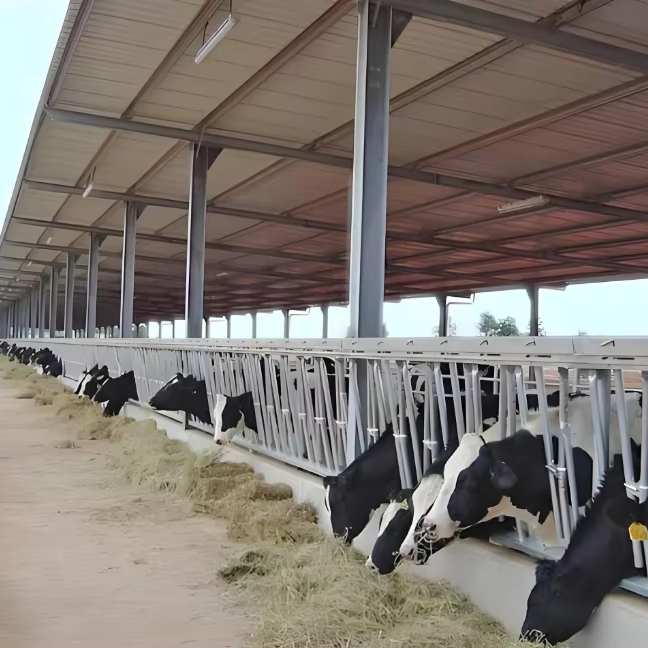
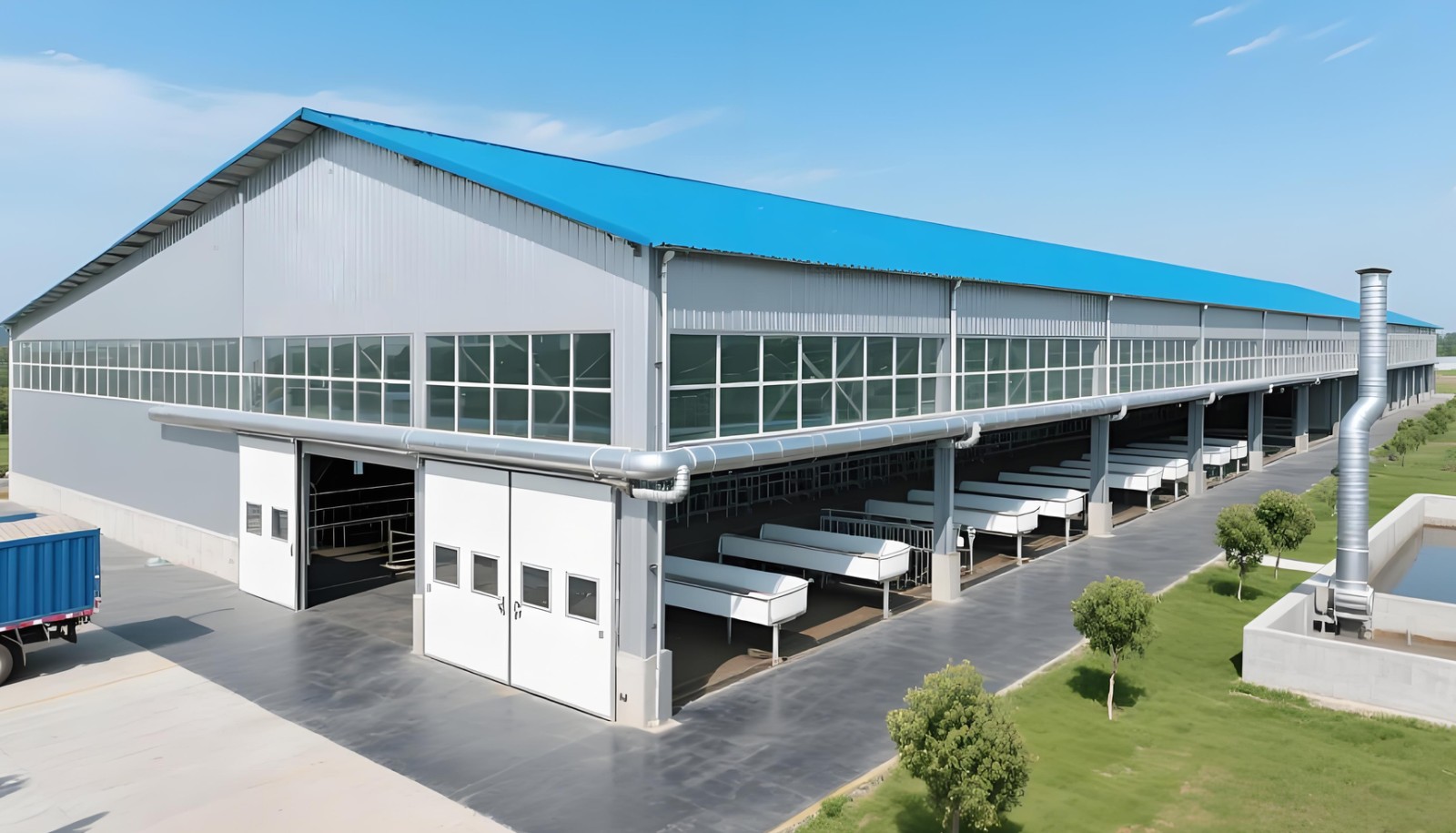
This solution is suitable for dairy cattle barns, beef cattle sheds, calf barns, feeding shelters, and open-sided cattle housing. The barn can be planned with wider spans, higher roof clearance, feed alleys, resting zones, ventilation openings, manure handling areas, and strong roof support.
3.2 Sheep and Goat Barn Steel Structure
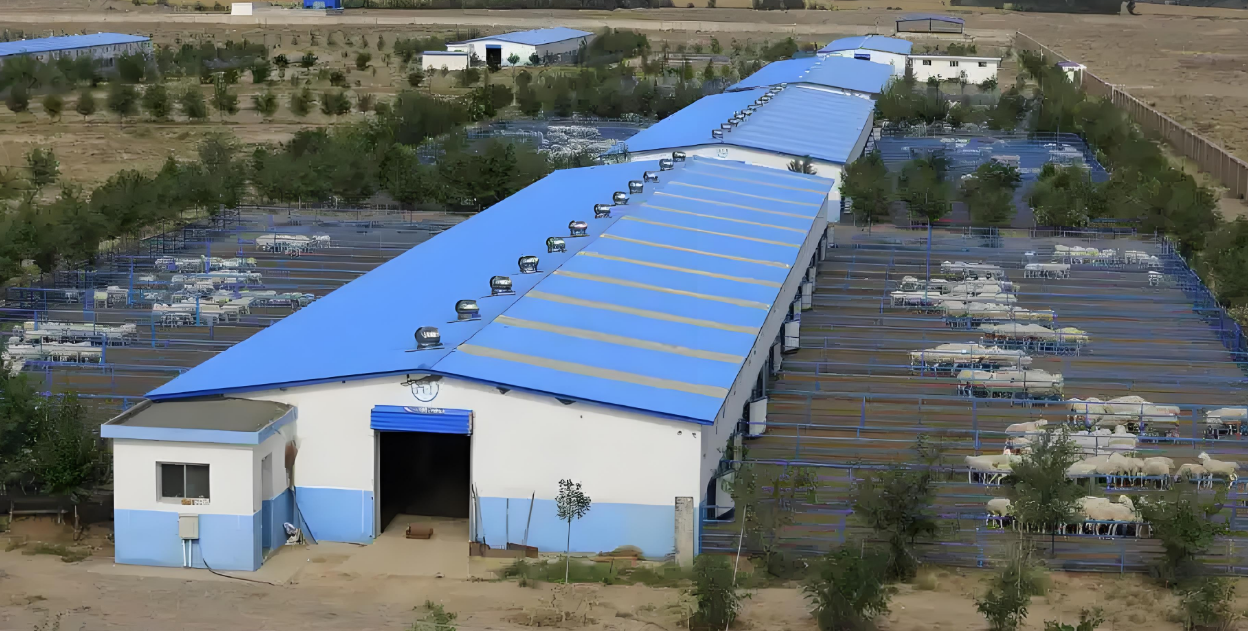
Sheep and goat barns usually need flexible pen division, dry indoor space, good airflow, easy access for feeding, and protected resting areas. The steel structure can be designed with modular bays, open sidewalls, roof ventilation, simple partitions, and practical service walkways.
3.2 Sheep and Goat Barn Steel Structure
Sheep and goat barns usually need flexible pen division, dry indoor space, good airflow, easy access for feeding, and protected resting areas. The steel structure can be designed with modular bays, open sidewalls, roof ventilation, simple partitions, and practical service walkways.
3.4 Open-Sided Livestock Barn
For mild climates or naturally ventilated farms, an open-sided barn can provide shade, airflow, and rain protection with a simpler steel structure. This option can reduce enclosure cost while still keeping animals protected from direct sun and heavy rain.
3.5 Insulated Livestock Barn
For hot, cold, rainy, or high-humidity areas, insulated roof and wall panels can help improve indoor stability. Rock wool, glass wool, polyurethane, or EPS panels can be selected according to climate, budget, fire-performance needs, and farming requirements.
3.5 Insulated Livestock Barn
For hot, cold, rainy, or high-humidity areas, insulated roof and wall panels can help improve indoor stability. Rock wool, glass wool, polyurethane, or EPS panels can be selected according to climate, budget, fire-performance needs, and farming requirements.
3.6 Feeding, Watering, and Pen Layout Coordination
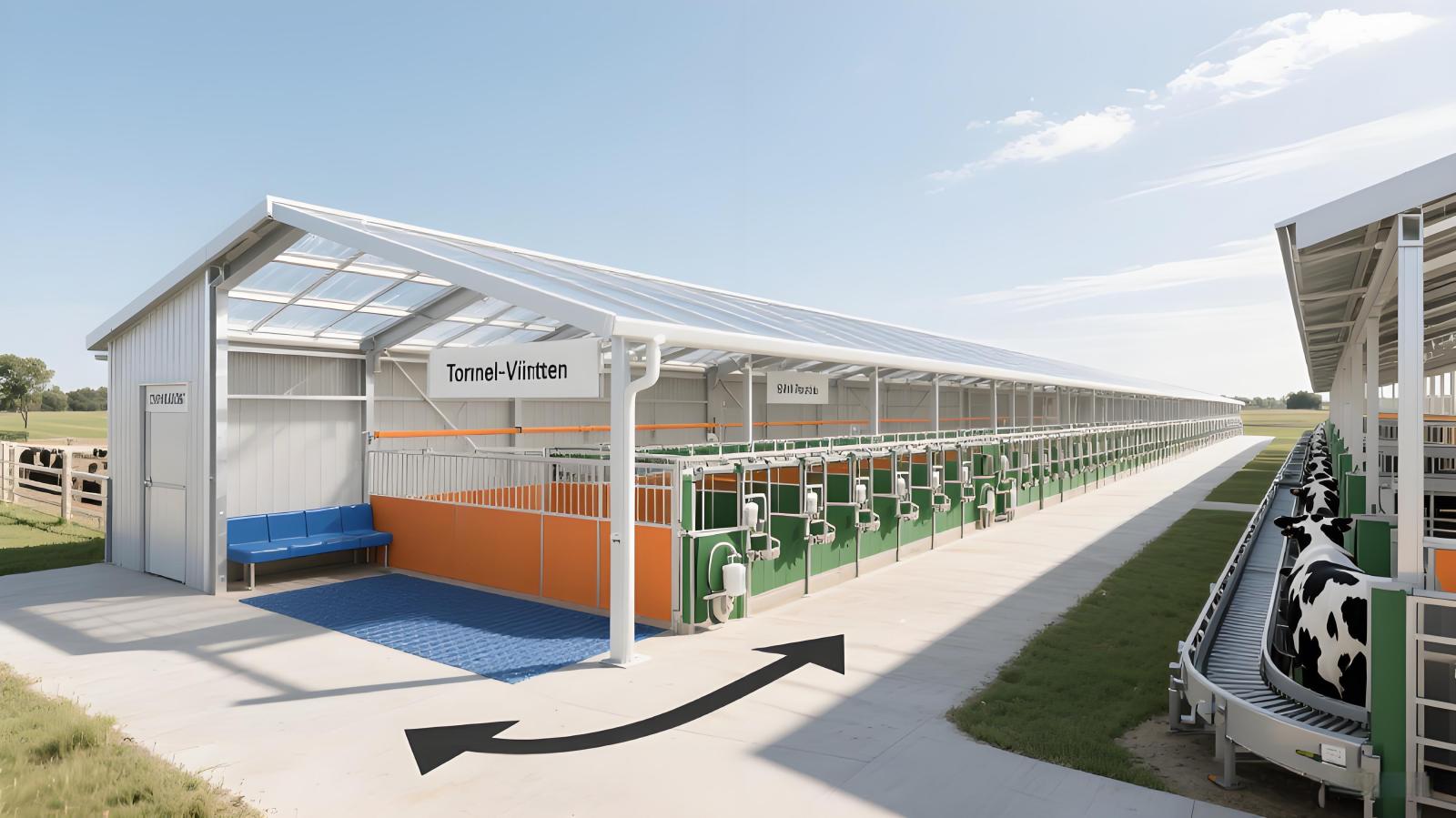
The steel structure can be coordinated with feeding alleys, feed barriers, water troughs, automatic drinking lines, pen gates, animal lanes, sorting areas, and service routes. Before fabrication, the pen layout should be checked together with column spacing, door positions, roof height, and internal walkways.
3.7 Ventilation and Cooling System Support
Depending on the project, the barn can reserve support areas for exhaust fans, cooling pads, ridge vents, sidewall curtains, air inlets, louvers, and roof openings. These details should be planned before steel fabrication, not after the frame is already installed.
3.8 Anti-Corrosion Livestock Barn Structure
Livestock barns may face humidity, ammonia, animal waste, cleaning water, dust, and disinfectant. Surface treatment can include galvanized members, anti-rust paint, zinc-rich primer, epoxy coating, polyurethane topcoat, or hot-dip galvanizing where applicable.
Product Standards and Reference Codes
The final design and fabrication standard should be confirmed according to the destination country, local building code, farm design, animal welfare requirements, environmental approval requirements, project drawings, and engineering specifications. For technical communication, material selection, structural design coordination, fabrication, welding, surface treatment, and quality control, the following standards are commonly used as references.
4.1 Structural Design References
AISC 360 provides generally applicable requirements for the design and construction of structural steel buildings and other structures. ASCE 7-22 is used to determine minimum design loads and related criteria for buildings and other structures. Eurocode 3 is used for the design of steel buildings and civil engineering works.
4.1 Structural Design References
AISC 360 provides generally applicable requirements for the design and construction of structural steel buildings and other structures. ASCE 7-22 is used to determine minimum design loads and related criteria for buildings and other structures. Eurocode 3 is used for the design of steel buildings and civil engineering works.
4.2 Fabrication and Welding References
For livestock barn steel structures, welding quality, bolt-hole accuracy, column position, bracing arrangement, purlin spacing, roof panel connection, component marks, and packing lists should be checked before shipment. These details affect both building installation and farm equipment installation.
4.3 Common Material Options
4.5 Livestock Farming Use Coordination
For livestock barns, the steel structure should be coordinated with ventilation, insulation, feeding systems, drinking systems, pen layout, manure handling, cleaning routes, drainage, lighting, and local environmental approval requirements. We can support the steel structure and building envelope scope according to your project drawings, while final farming process and local compliance should be confirmed by the farm designer and local authority.
5. Technical Support We Can Provide
Before production starts, we can help you review the technical details that decide whether the livestock barn will be easy to fabricate, ship, install, clean, and maintain.
We can help check:
Barn length, width, height, and number of barns
Project country or farm location
Animal type, such as cattle, sheep, goats, or pigs
Planned animal quantity and farming scale
Pen layout, feed alley, service walkway, and animal movement route
Column grid, span, roof slope, and eave height
Wind load, snow load, seismic requirement, and local climate condition
Roof and wall panel type, insulation requirement, and condensation control
Ventilation method, fan position, side opening, ridge vent, or curtain system
Door size, animal access, service access, cleaning route, and drainage direction
Manure handling space and waste outlet position
Material grade, purlin type, fasteners, and surface treatment
Component marking, packing method, and container loading sequence
Installation drawings and technical communication points
If you already have farm layout drawings or equipment drawings, we can help review the steel structure from the viewpoint of fabrication, packing, shipment, and installation. If you only have land size and planned animal quantity, we can help you organize what still needs to be confirmed before quotation.
Zhengcheng Manufacturing Strength
At Zhengcheng, we do not treat a livestock barn as only a simple shed. We understand that the structure must work with animals, feed, water, ventilation, drainage, cleaning, manure handling, and long-term farm operation.
Our work can cover material preparation, cutting, welding, drilling, surface treatment, component marking, trial checking, packing, container loading, and shipment coordination. For livestock barn projects, small details can affect daily operation. A wrong opening position, unclear component mark, missing fastener, weak coating system, or mixed packing list may delay installation and make later maintenance more difficult.
That is why we pay attention to the complete delivery logic. When the goods arrive at site, your team should be able to identify the steel members, match the bolts and fasteners, follow the drawings, understand the installation sequence, and leave clear space for farming equipment installation.
One-Stop Solution for Livestock Barn Projects
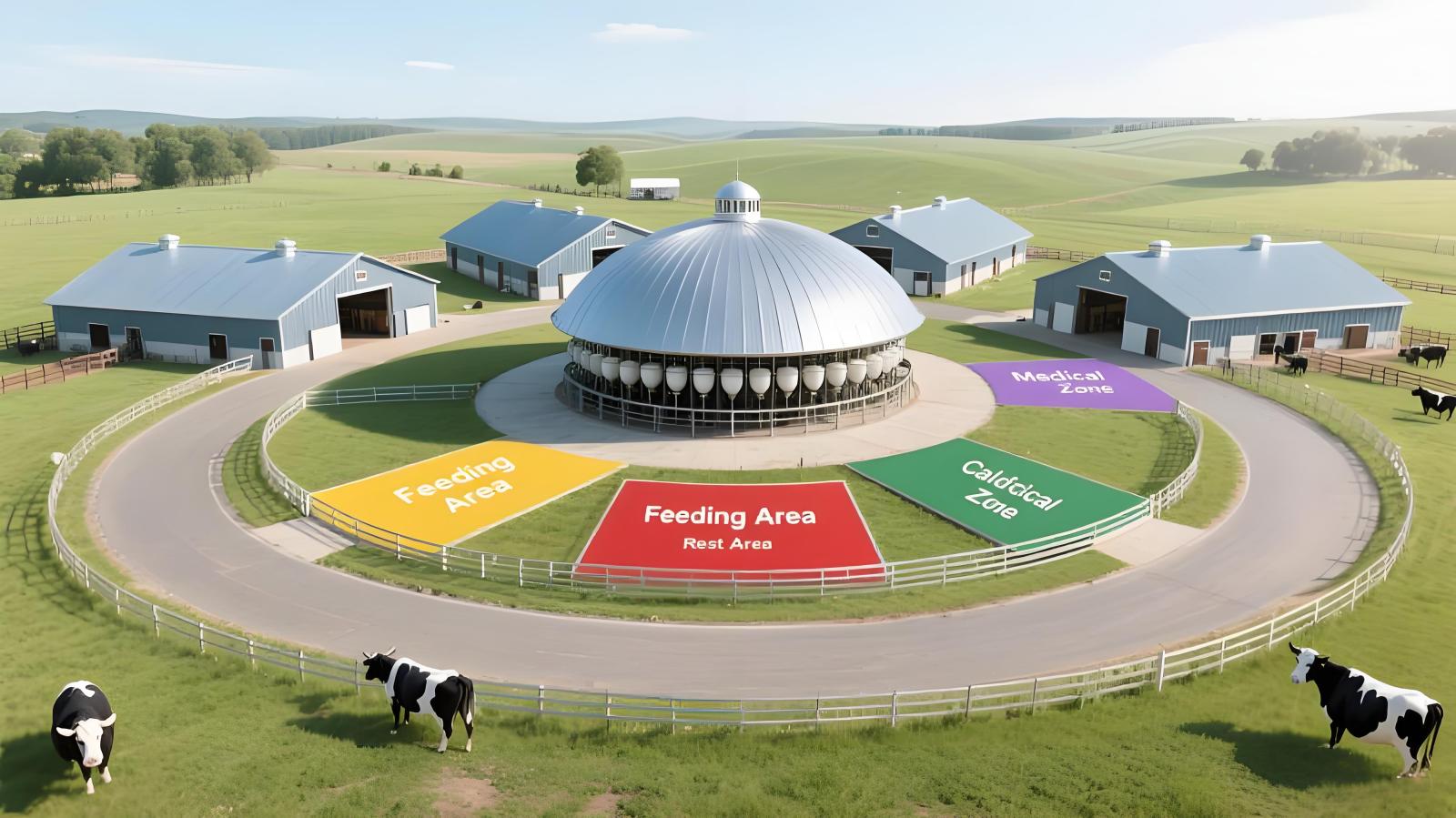
A livestock barn project should not be handled as scattered steel parts. Building layout, steel structure, roof and wall system, ventilation, insulation, anti-corrosion, packing, shipping, and installation communication must stay connected.
We can support the full process from early technical communication to final delivery. This includes layout discussion, drawing review, material planning, steel member fabrication, roof and wall system coordination, surface treatment, quality checking, packing list preparation, container loading coordination, shipping document support, and installation communication.
For overseas livestock farm projects, this one-stop coordination is especially useful. Once the goods arrive overseas, every correction becomes slower and more expensive. We help you solve as much as possible before shipment, when problems are still easier to control.
Our Engineering Team
Our team includes steel structure engineers, fabrication coordinators, production managers, quality inspectors, and export service staff. For livestock barn projects, our senior engineering personnel can help review key points such as barn span, column spacing, roof slope, ventilation opening, pen layout coordination, roof and wall system, connection details, surface treatment, packing method, and installation sequence.
During production and installation, we can continue to provide project communication support. If your team has questions about drawings, component marks, bolt connections, panel installation, ventilation openings, packing lists, coating details, or installation order, we can help respond and coordinate as quickly as possible.
For overseas farming projects, time difference should not leave an important technical question unresolved for too long. We can support communication across different time zones and help your team keep moving when urgent clarification is needed.
Welcome to Visit Our Company
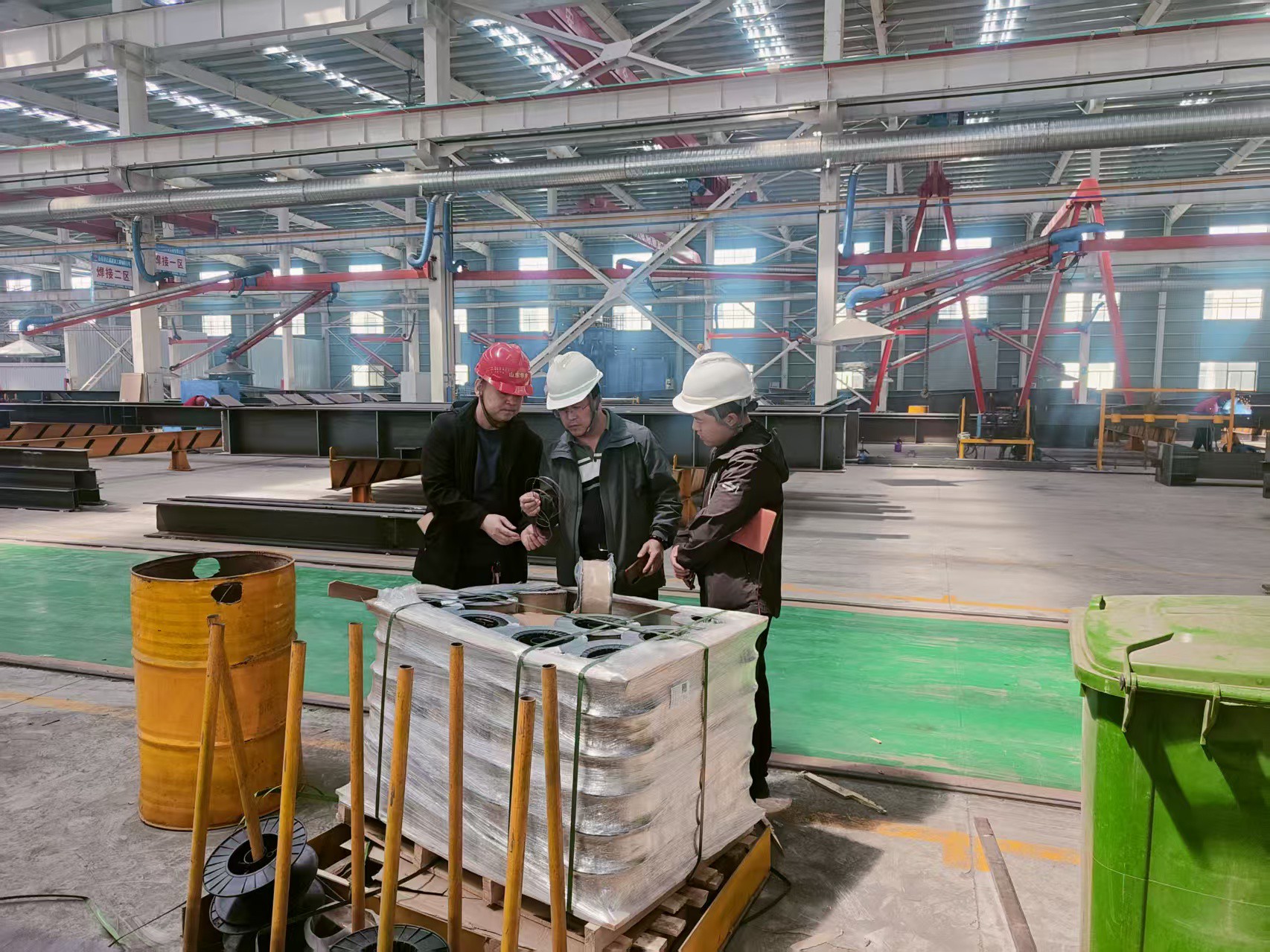
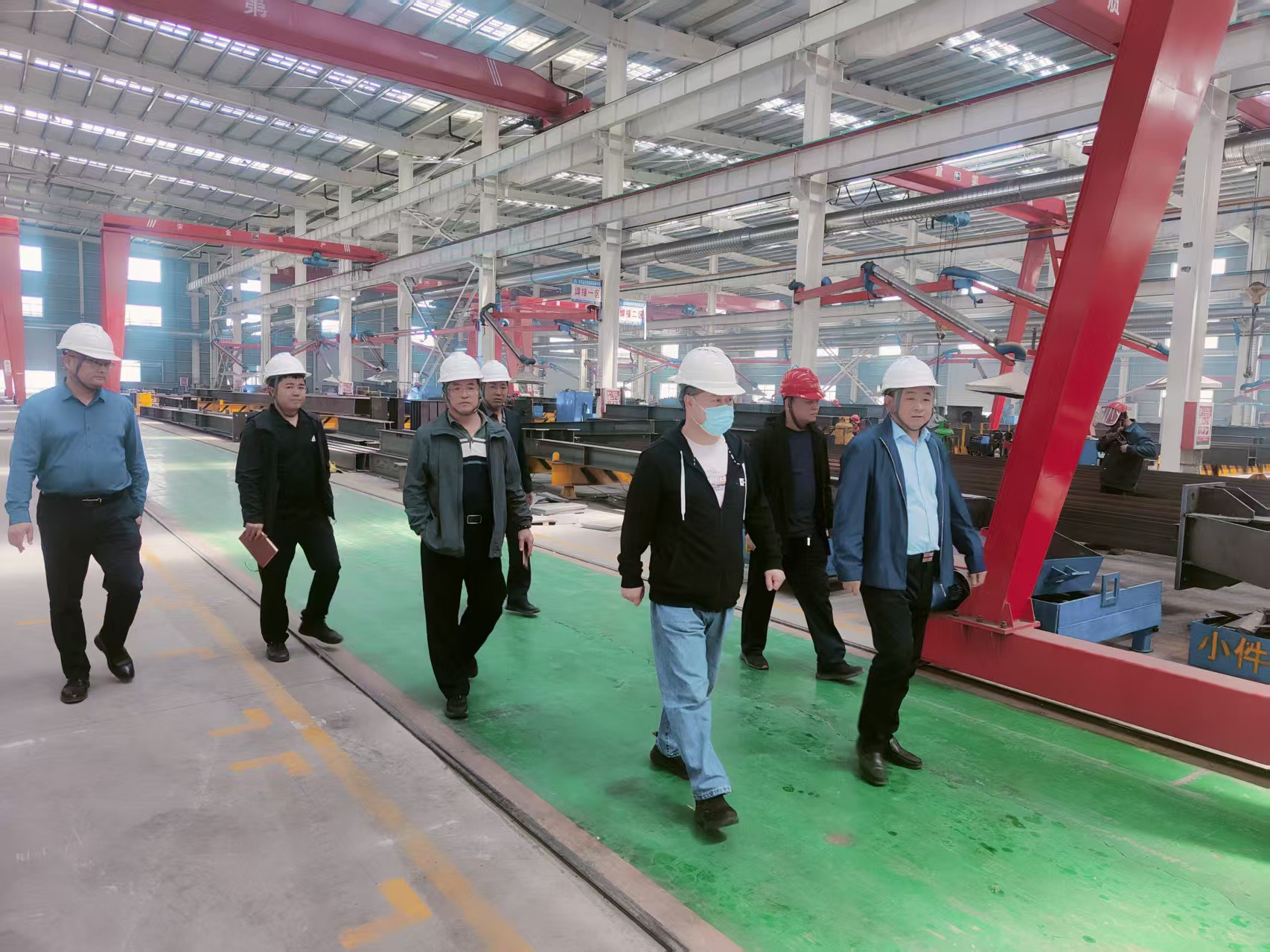
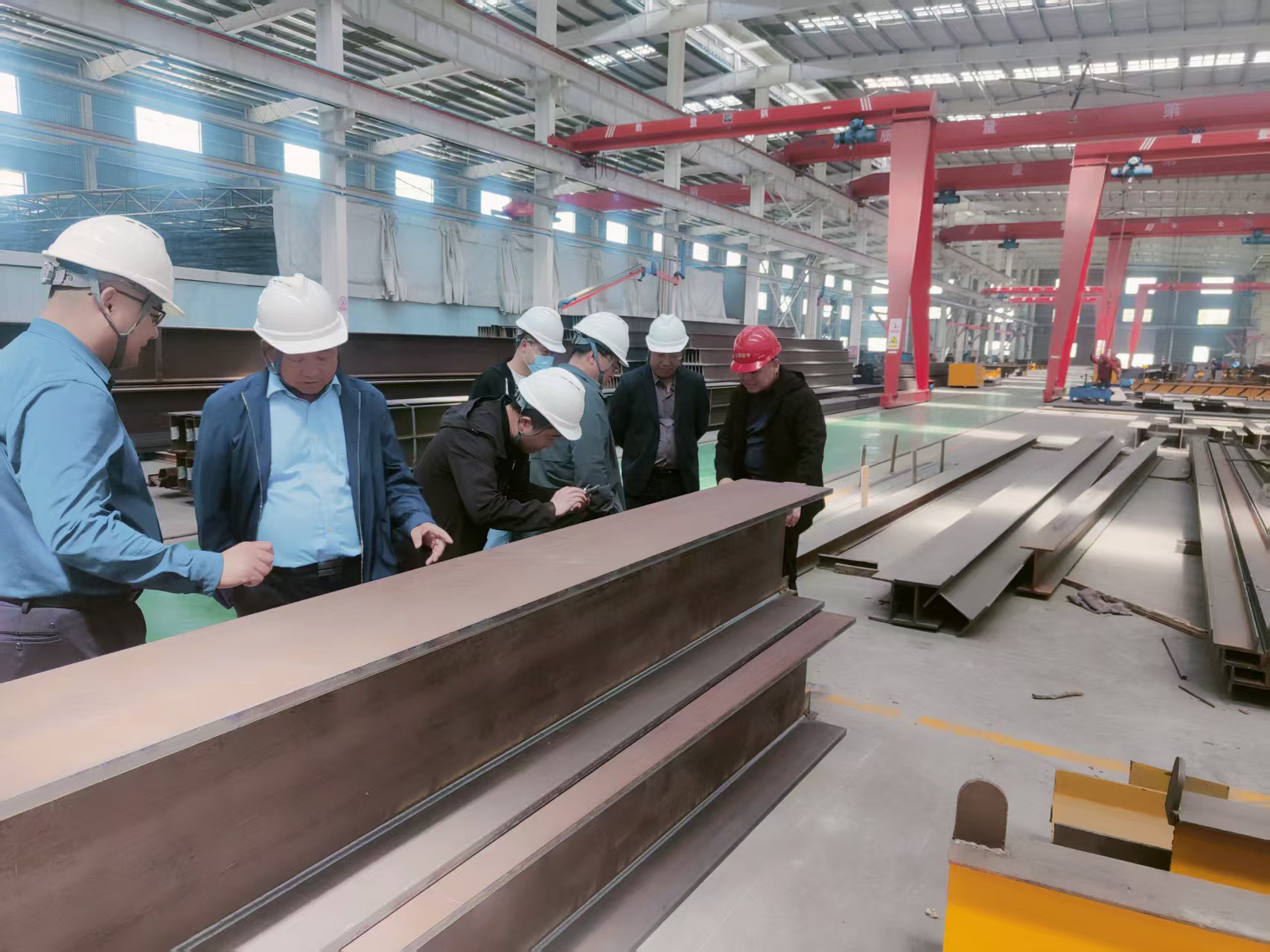
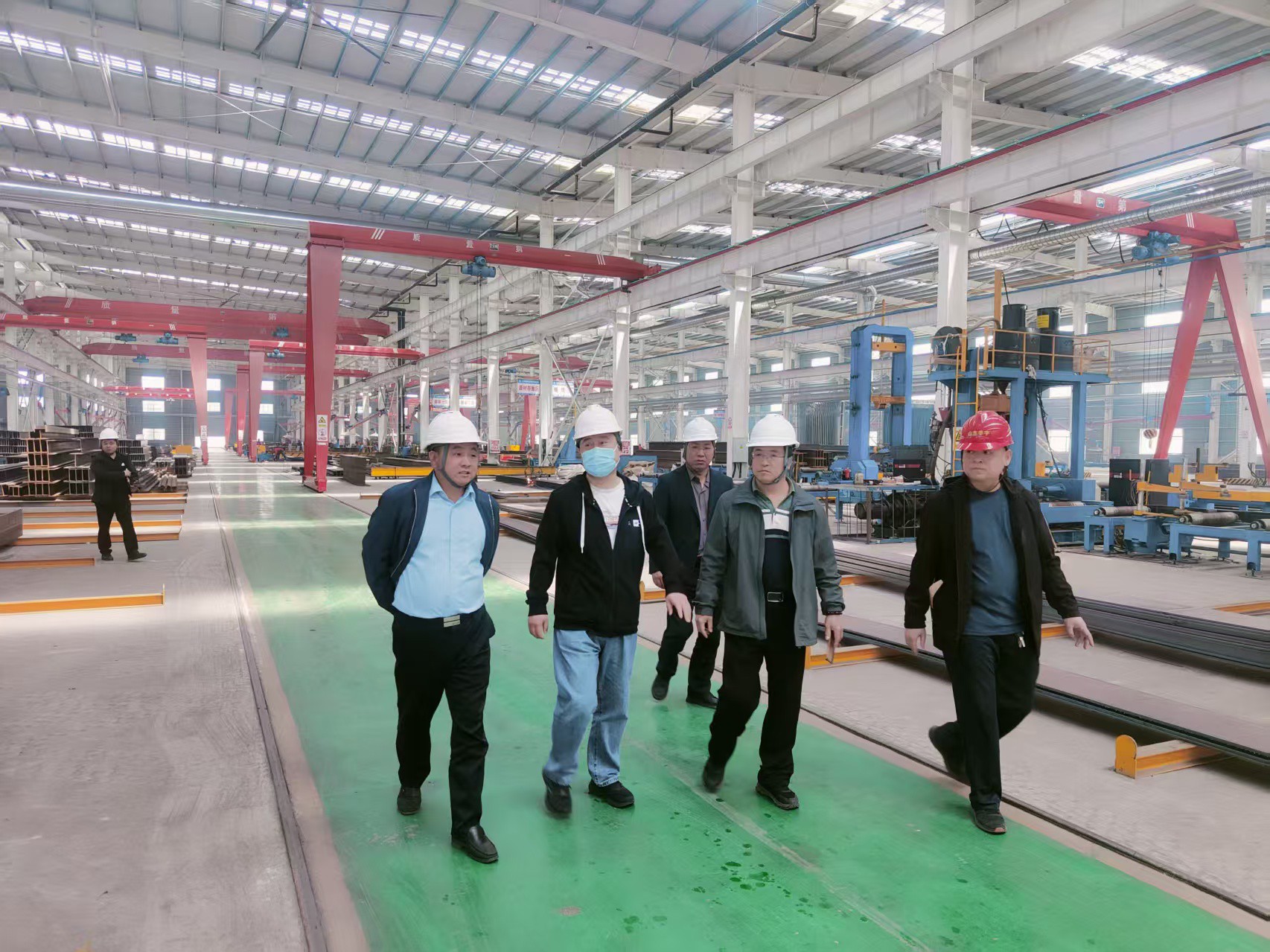
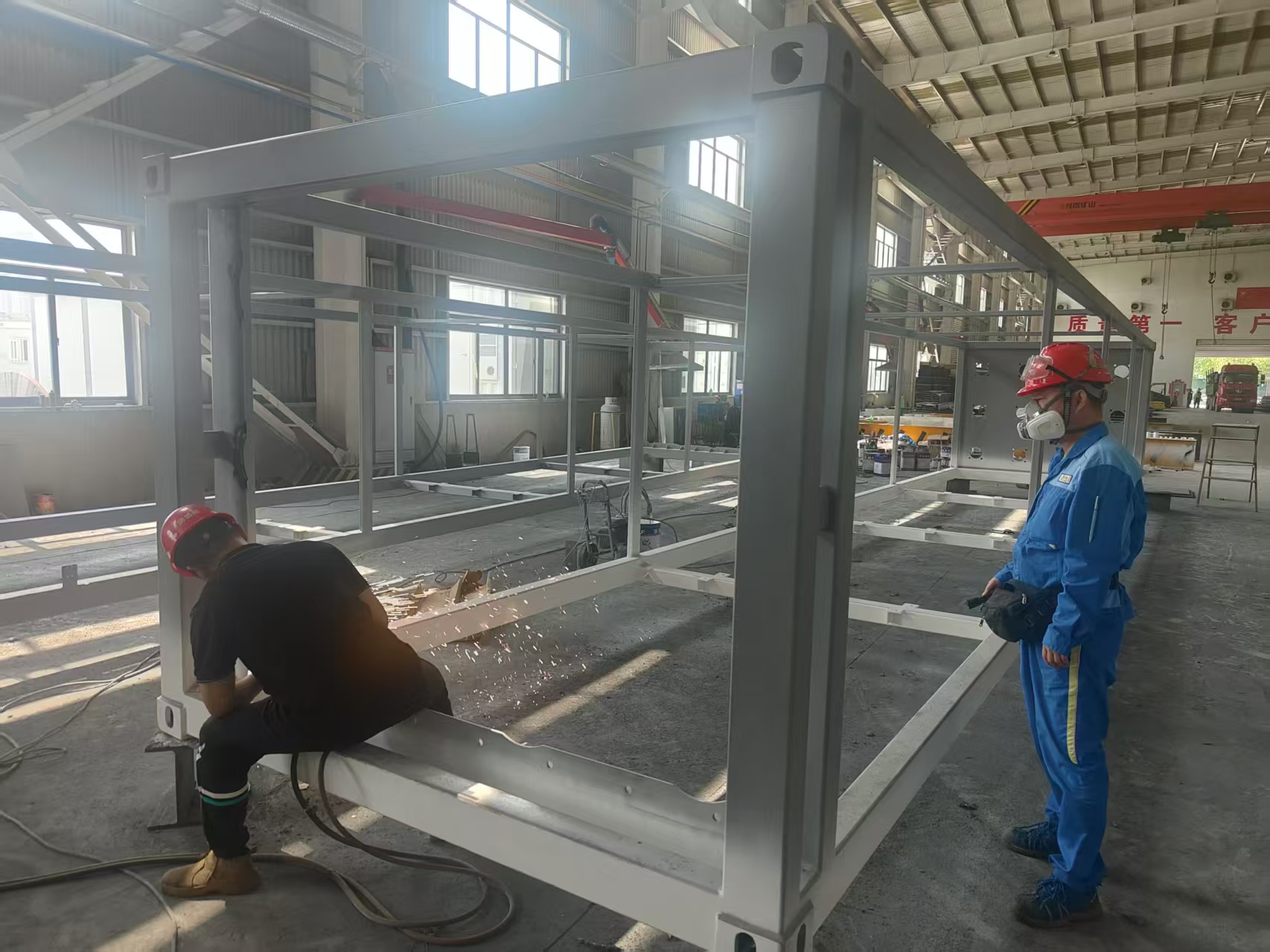
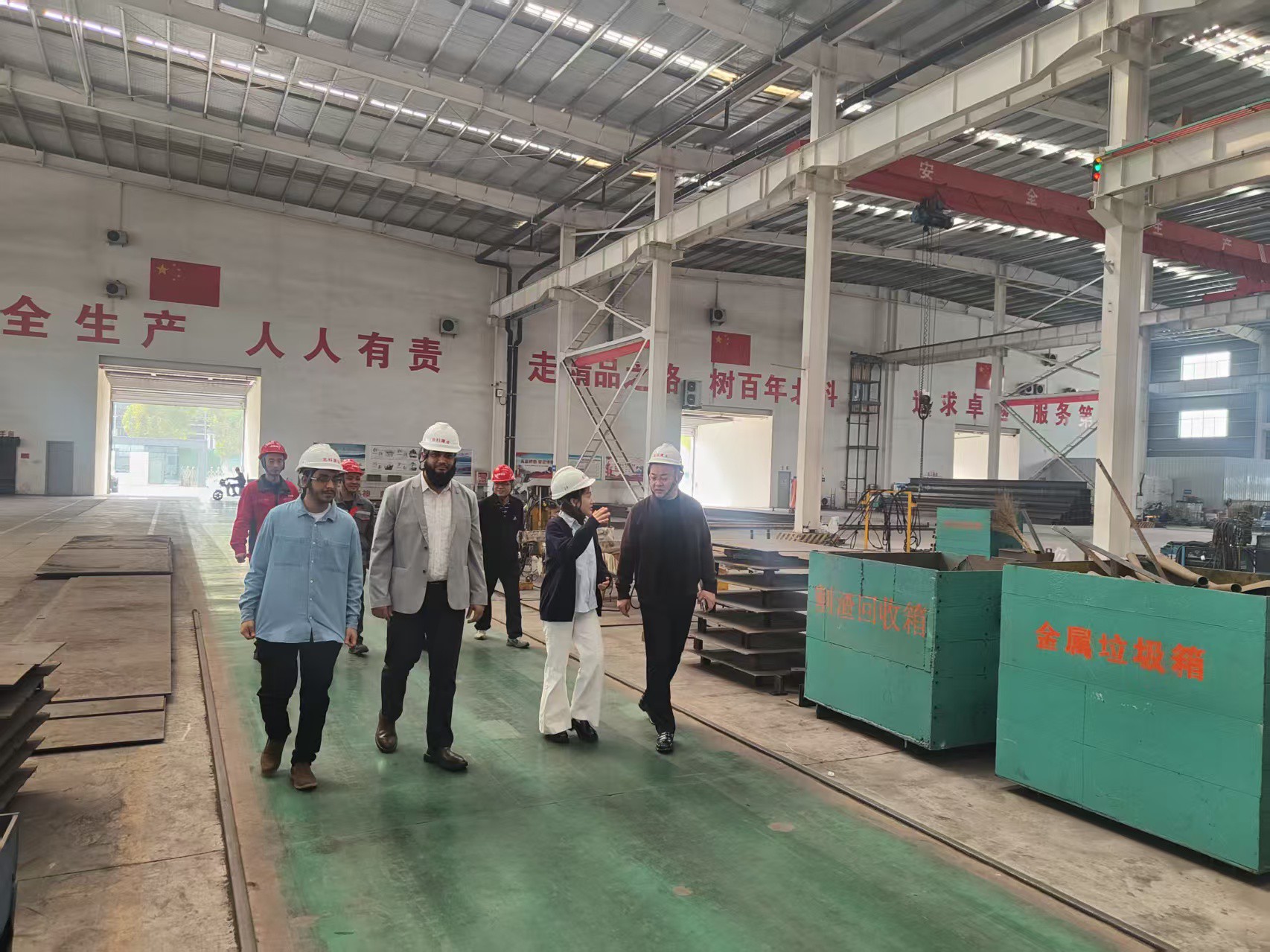
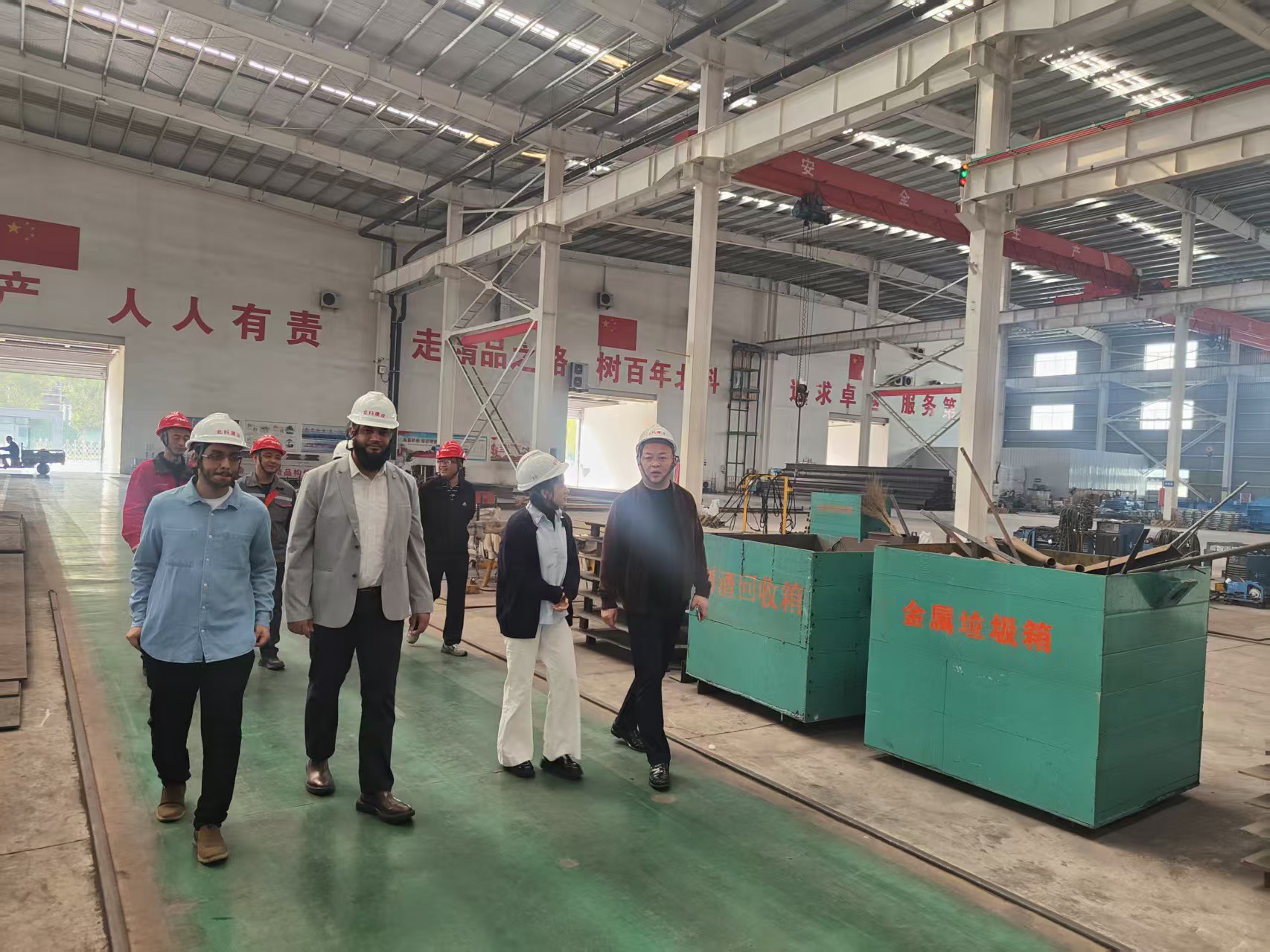
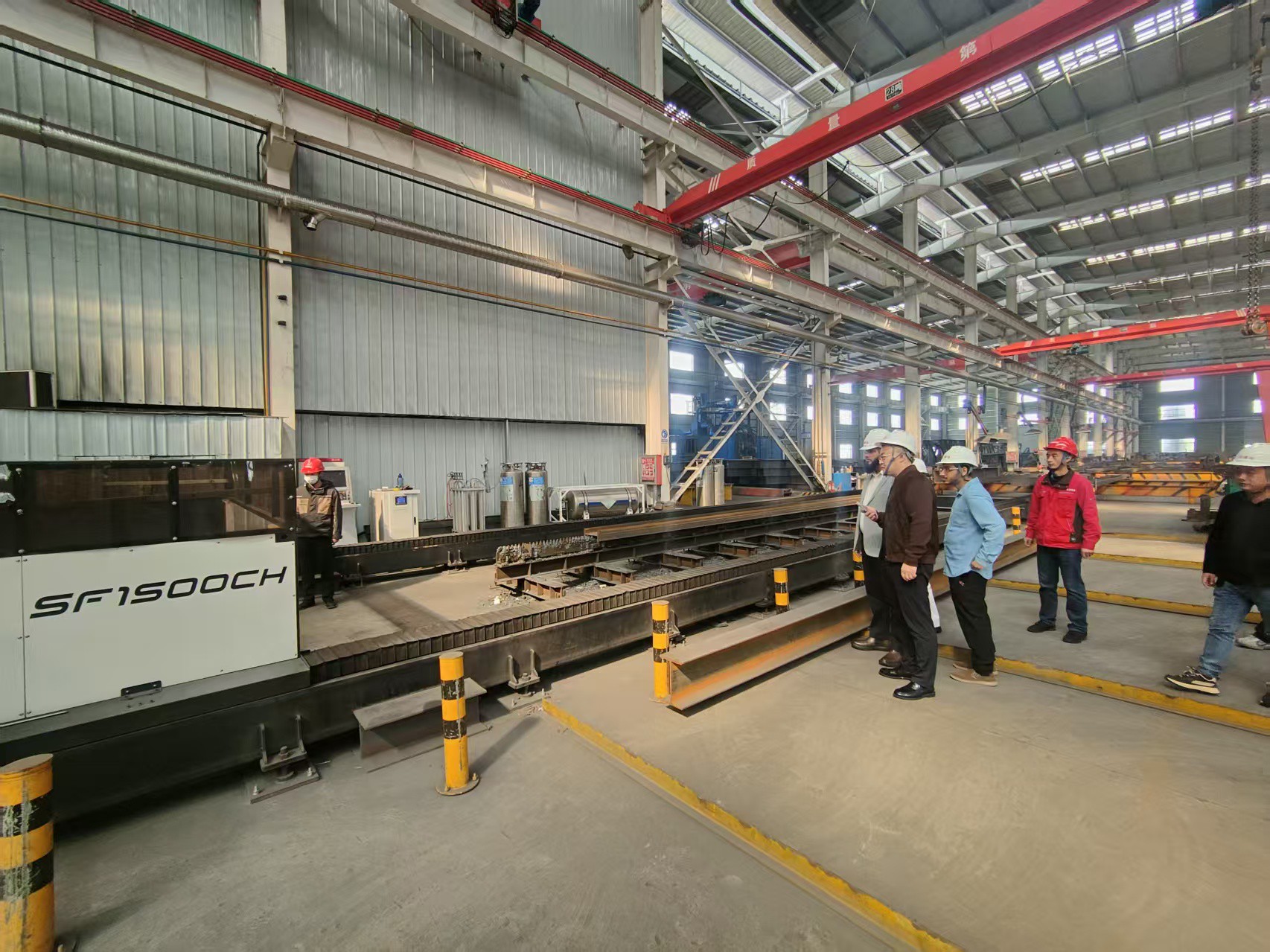
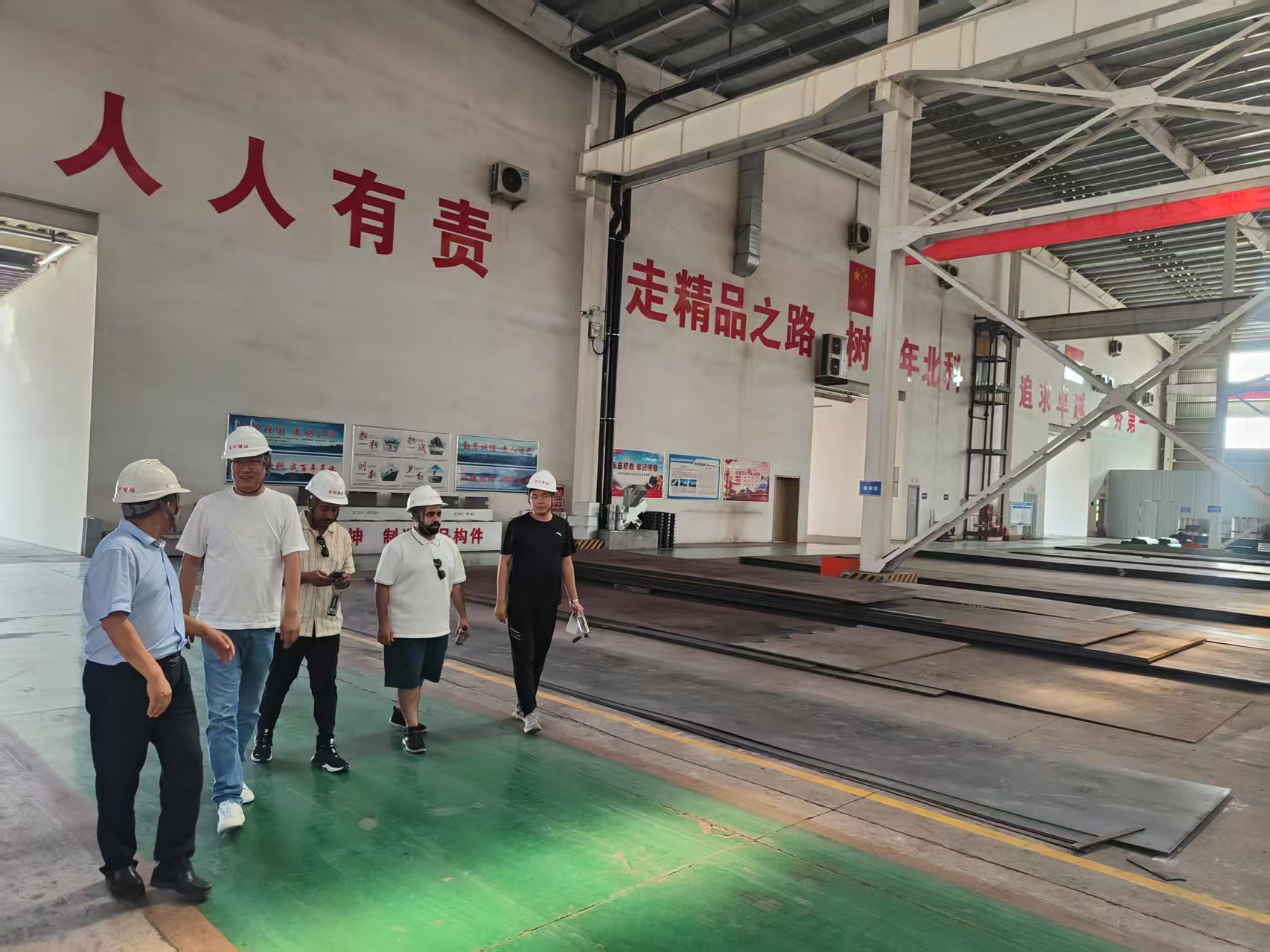
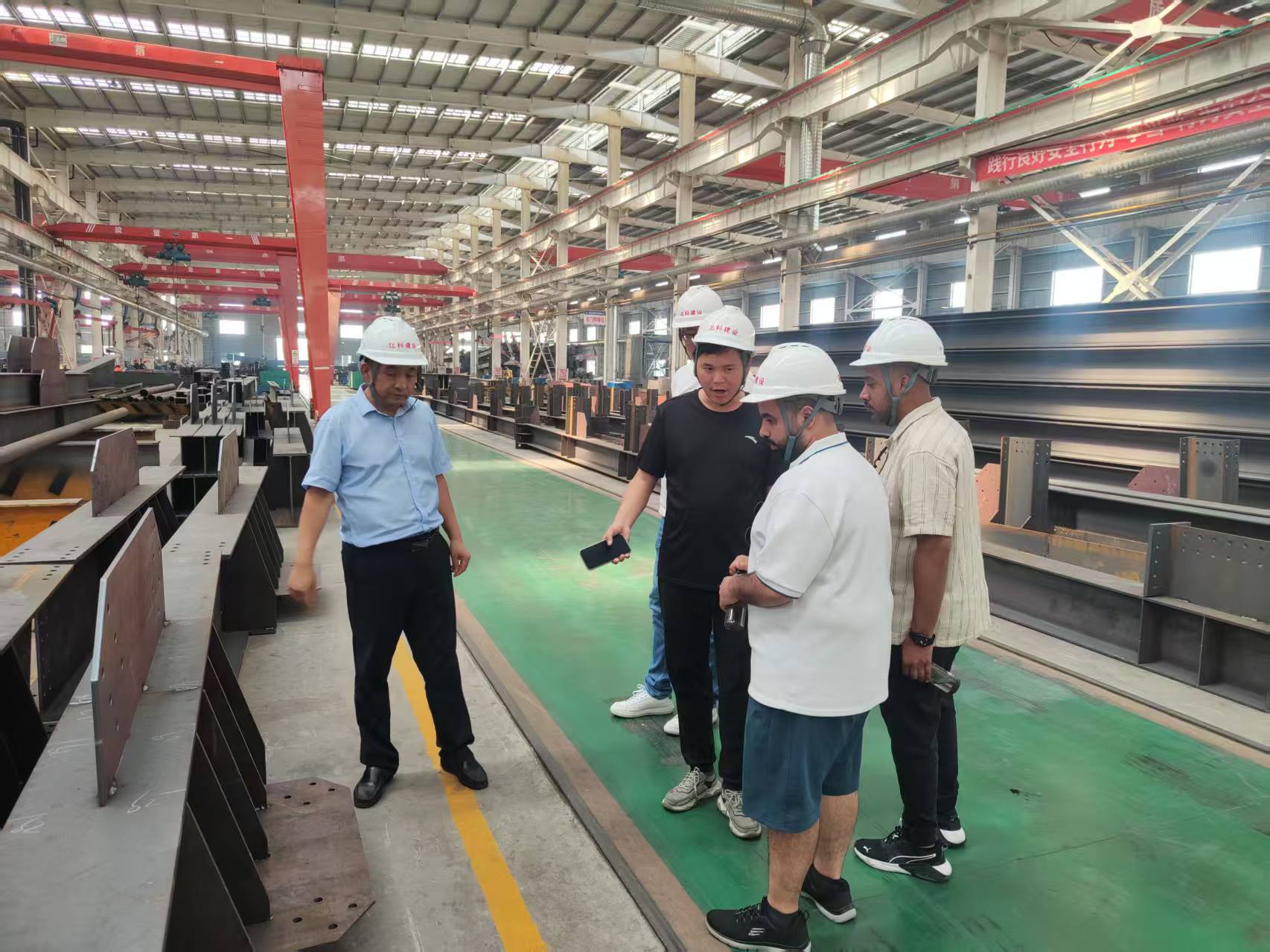
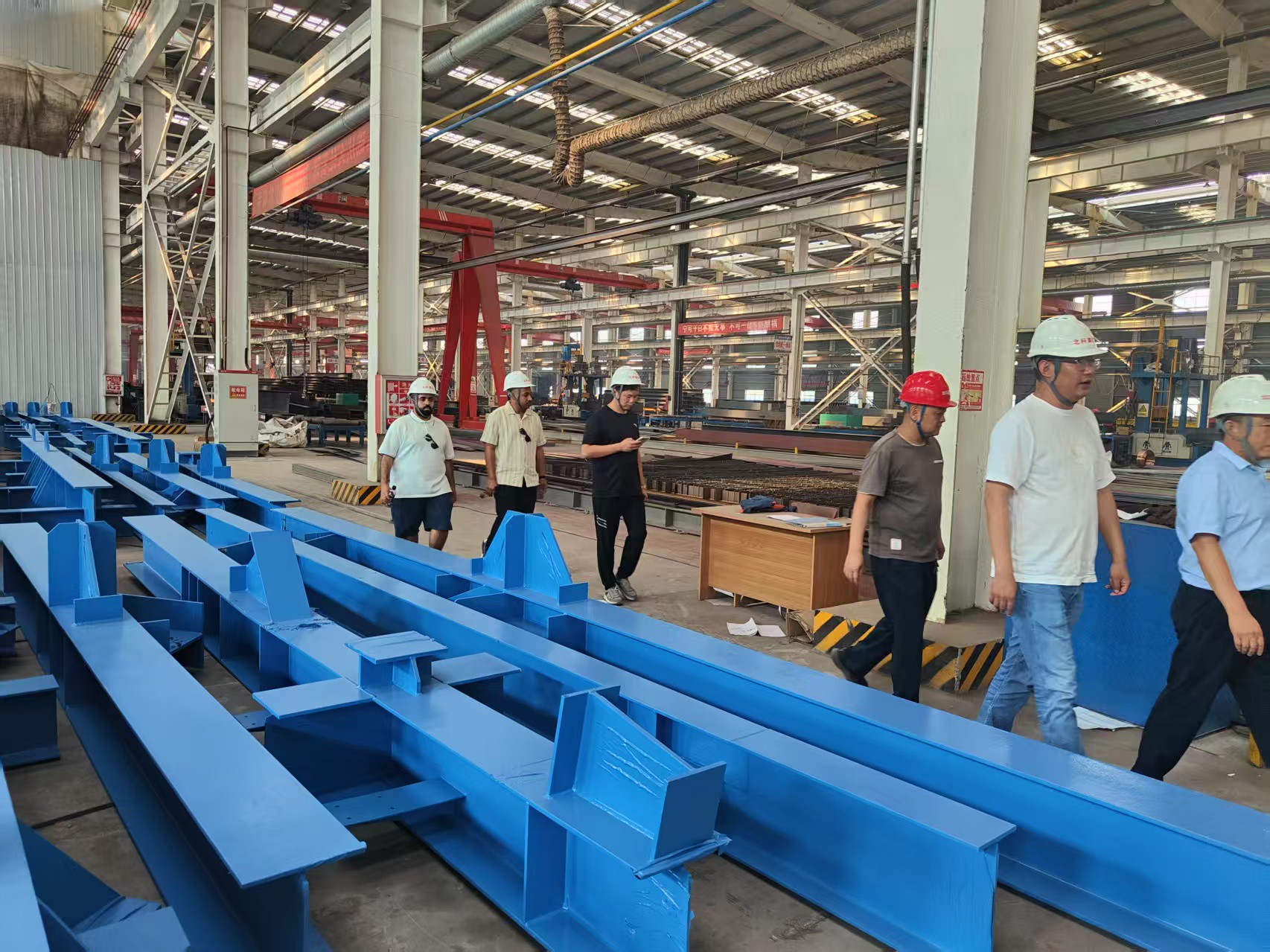
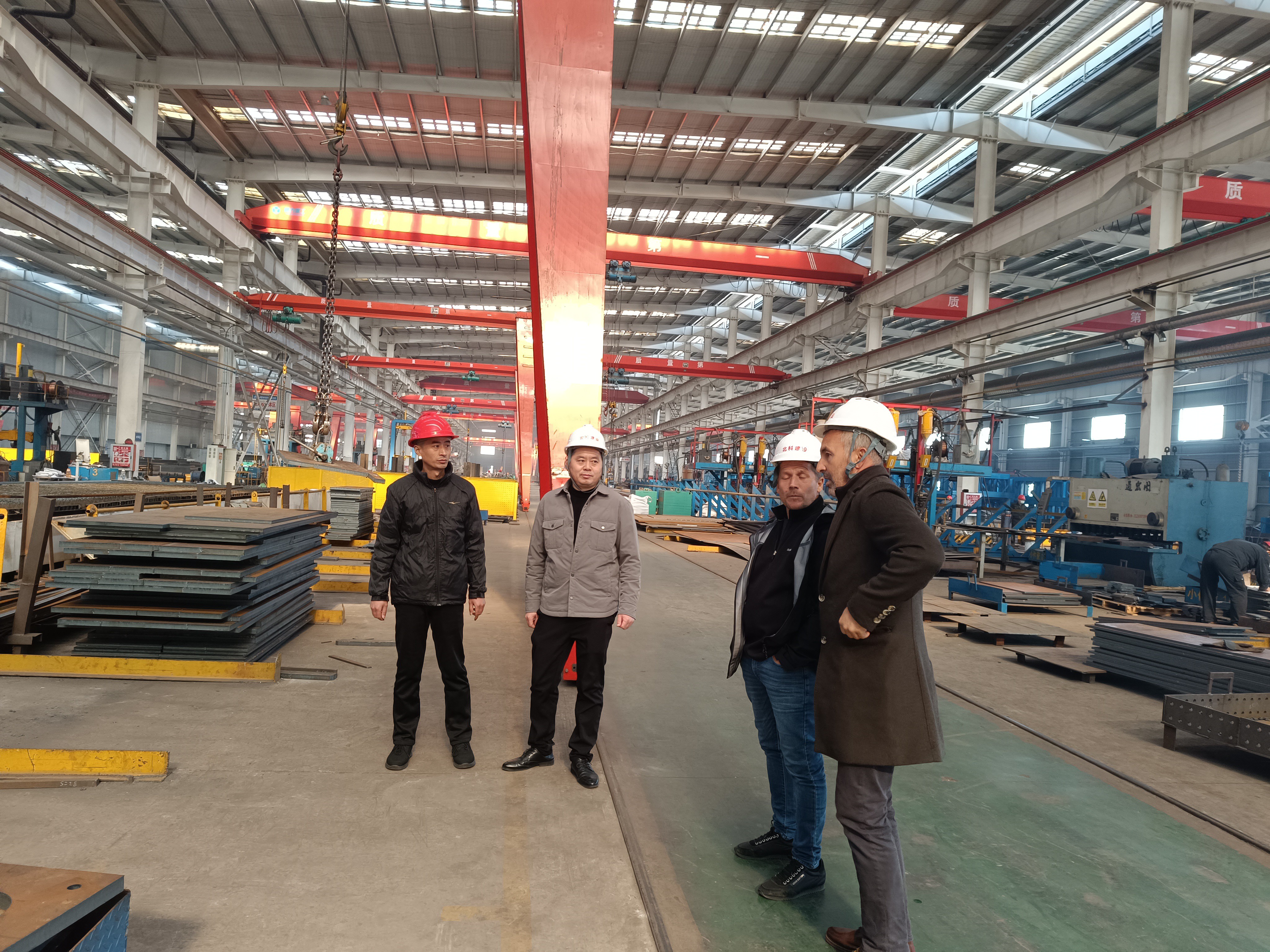
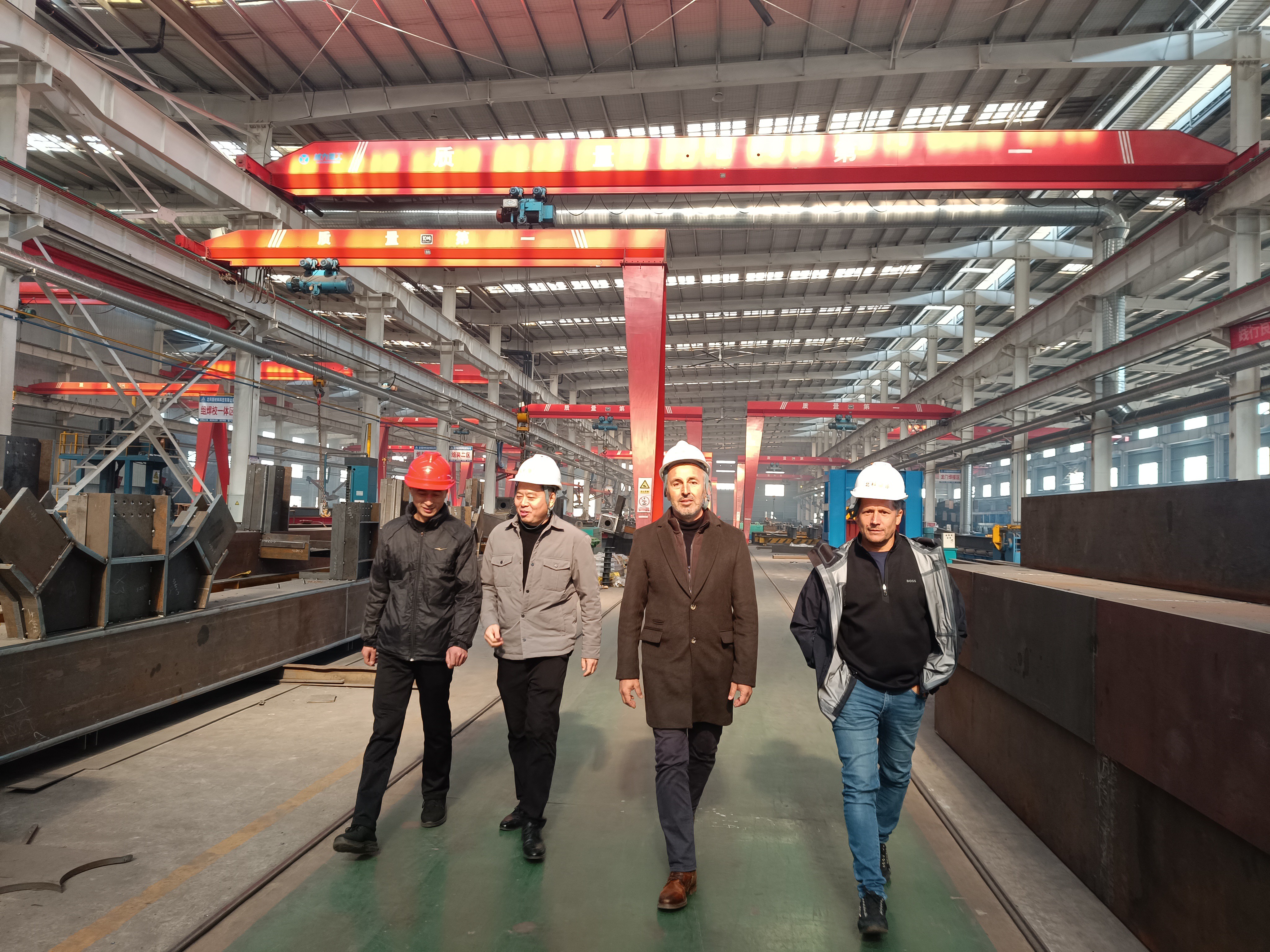
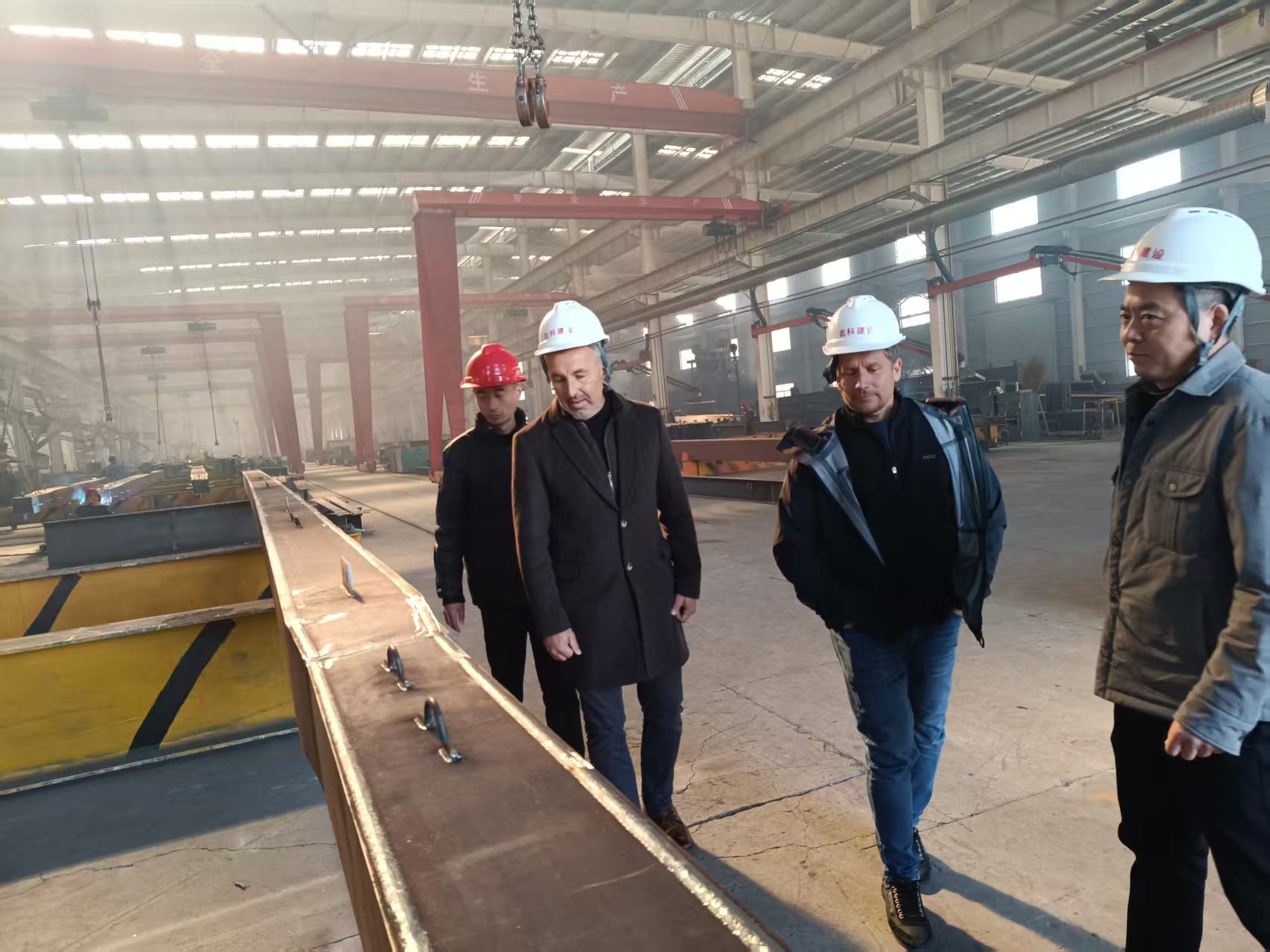
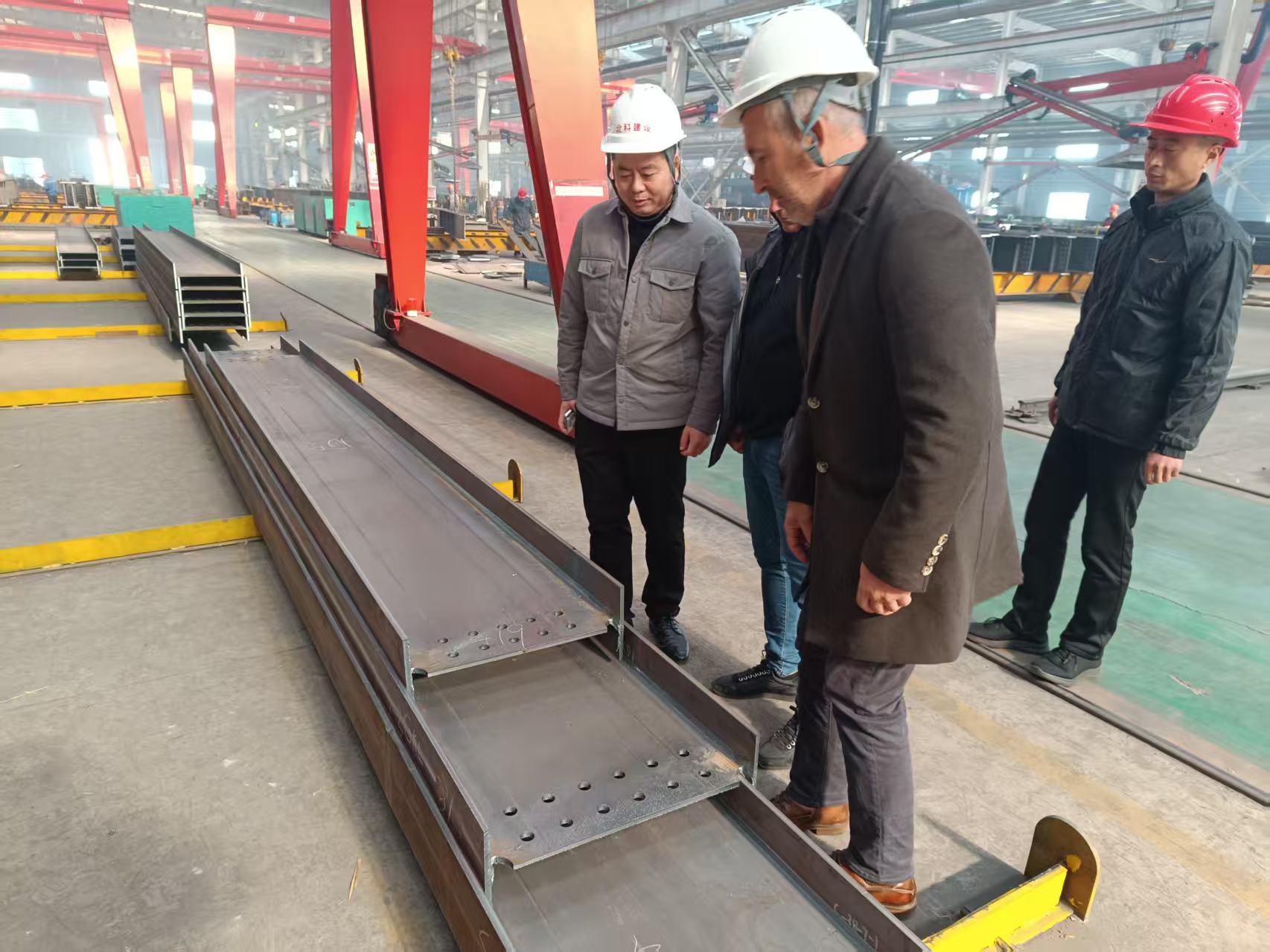
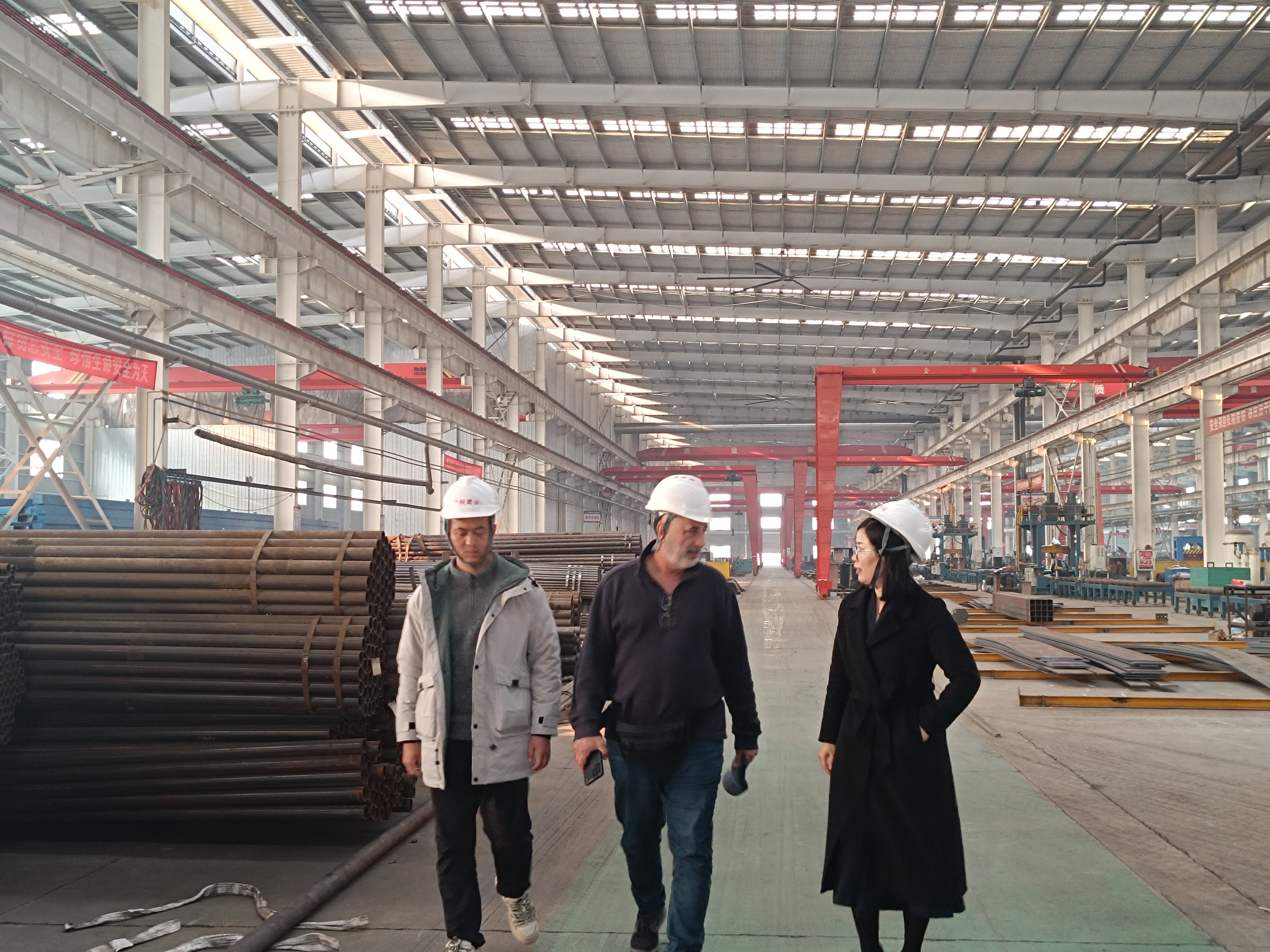
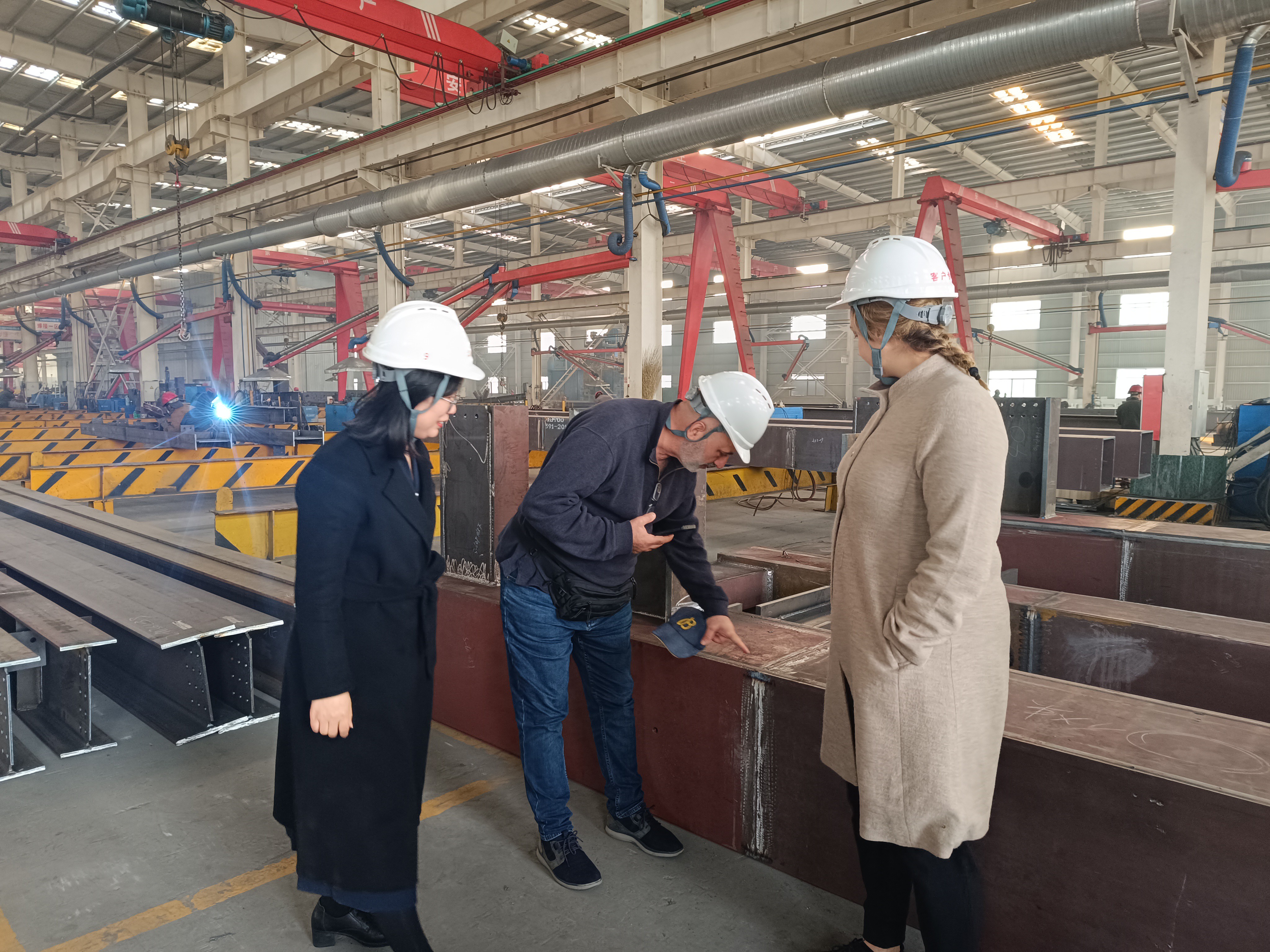
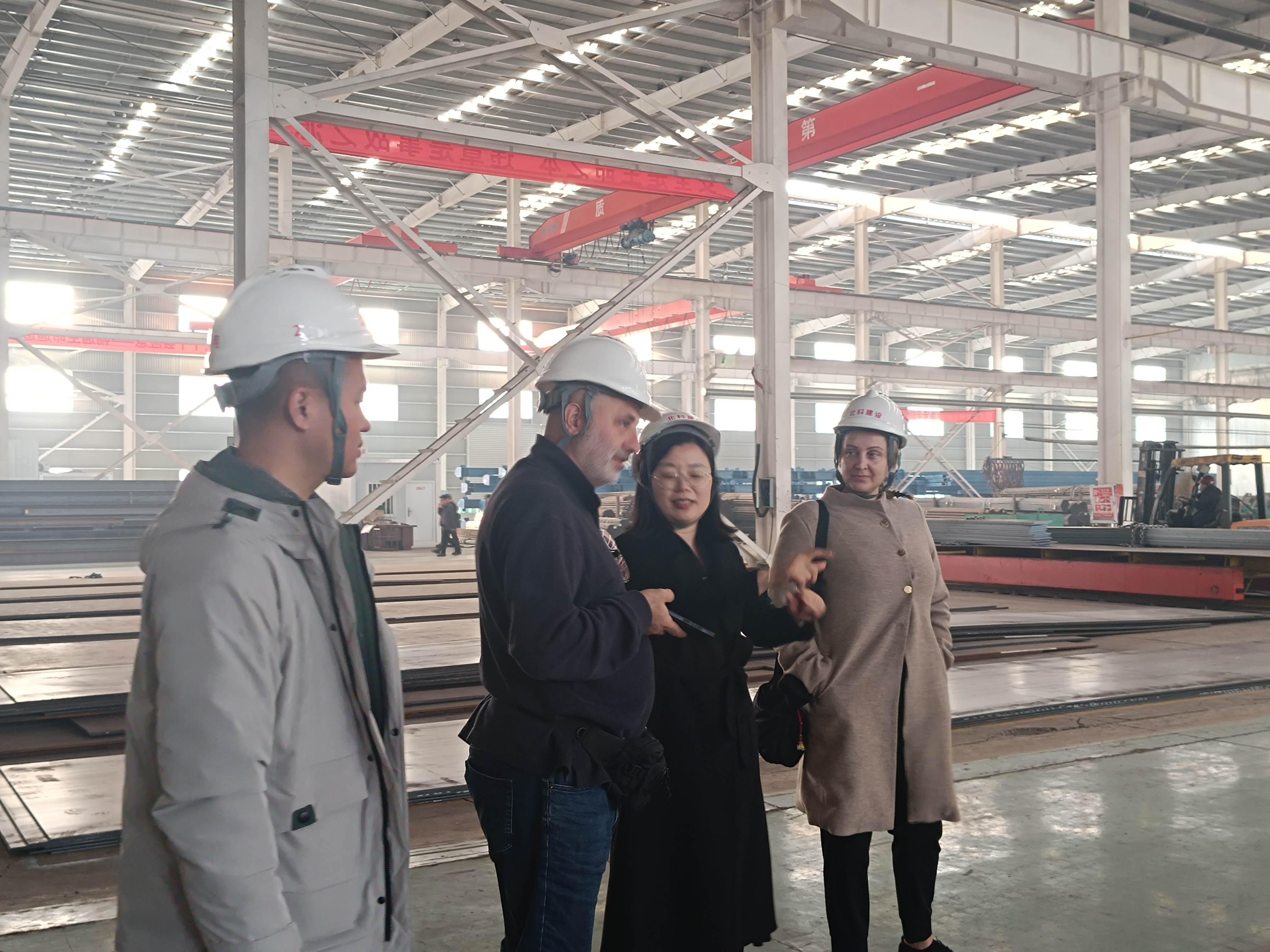
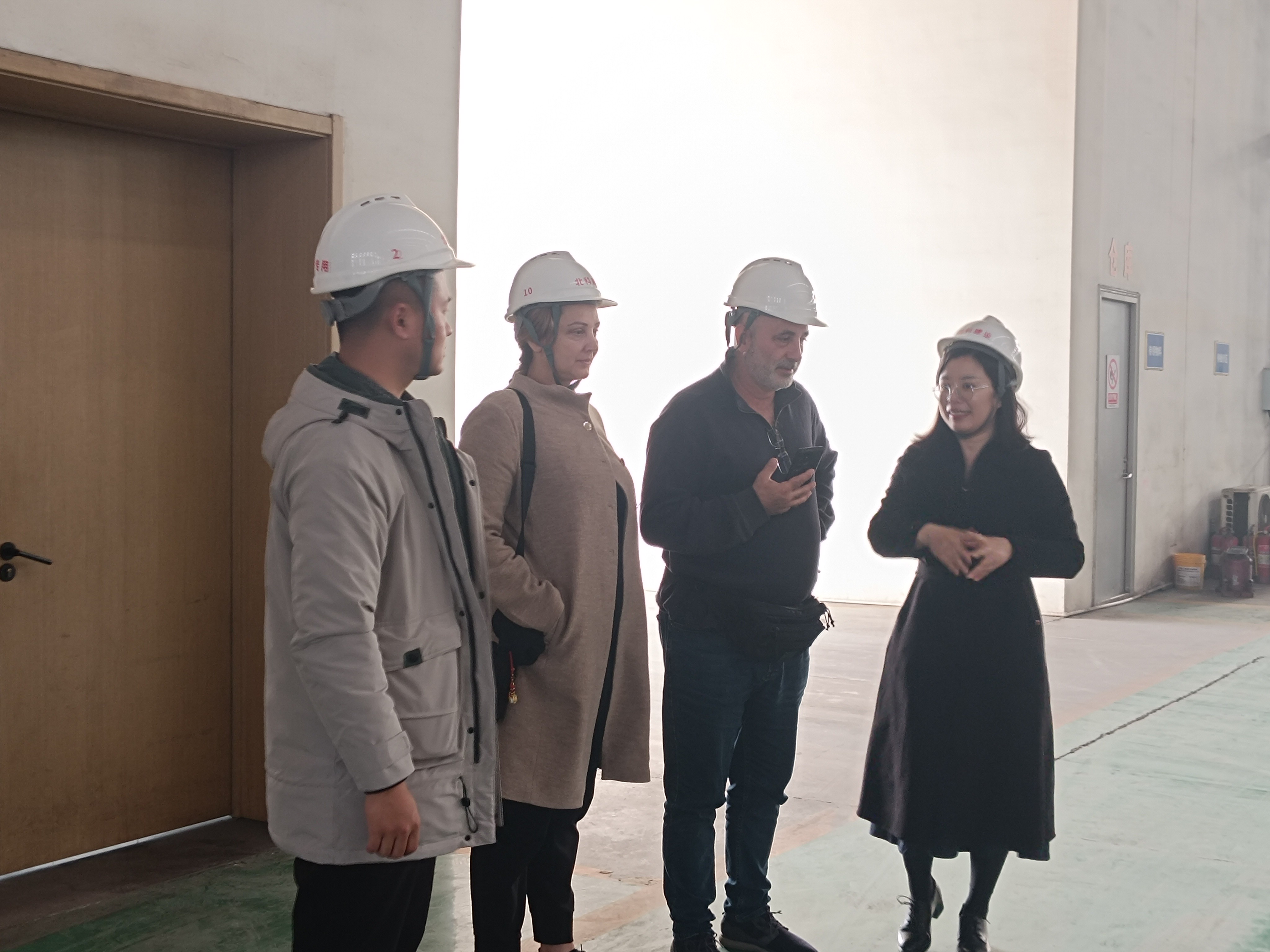
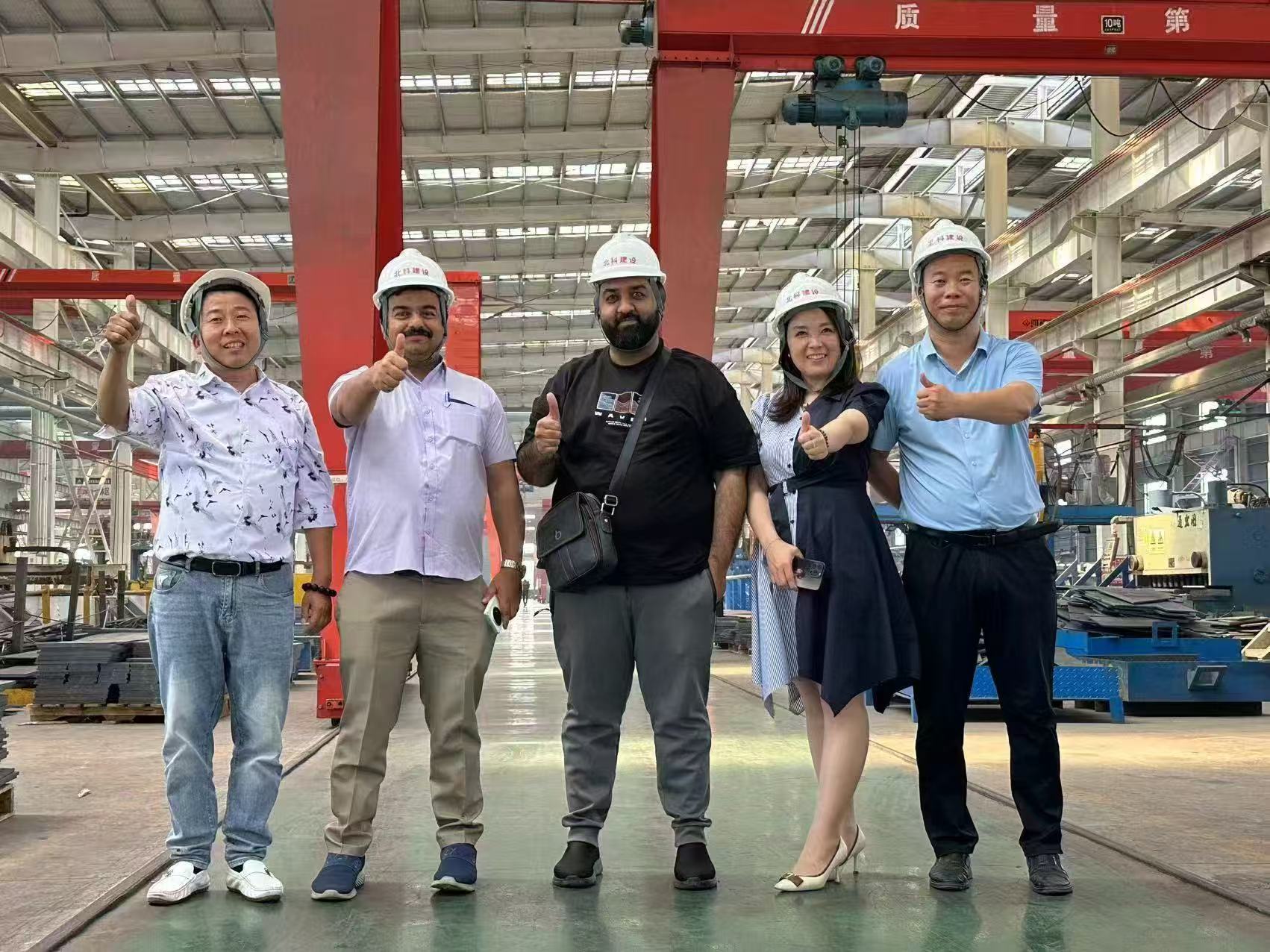
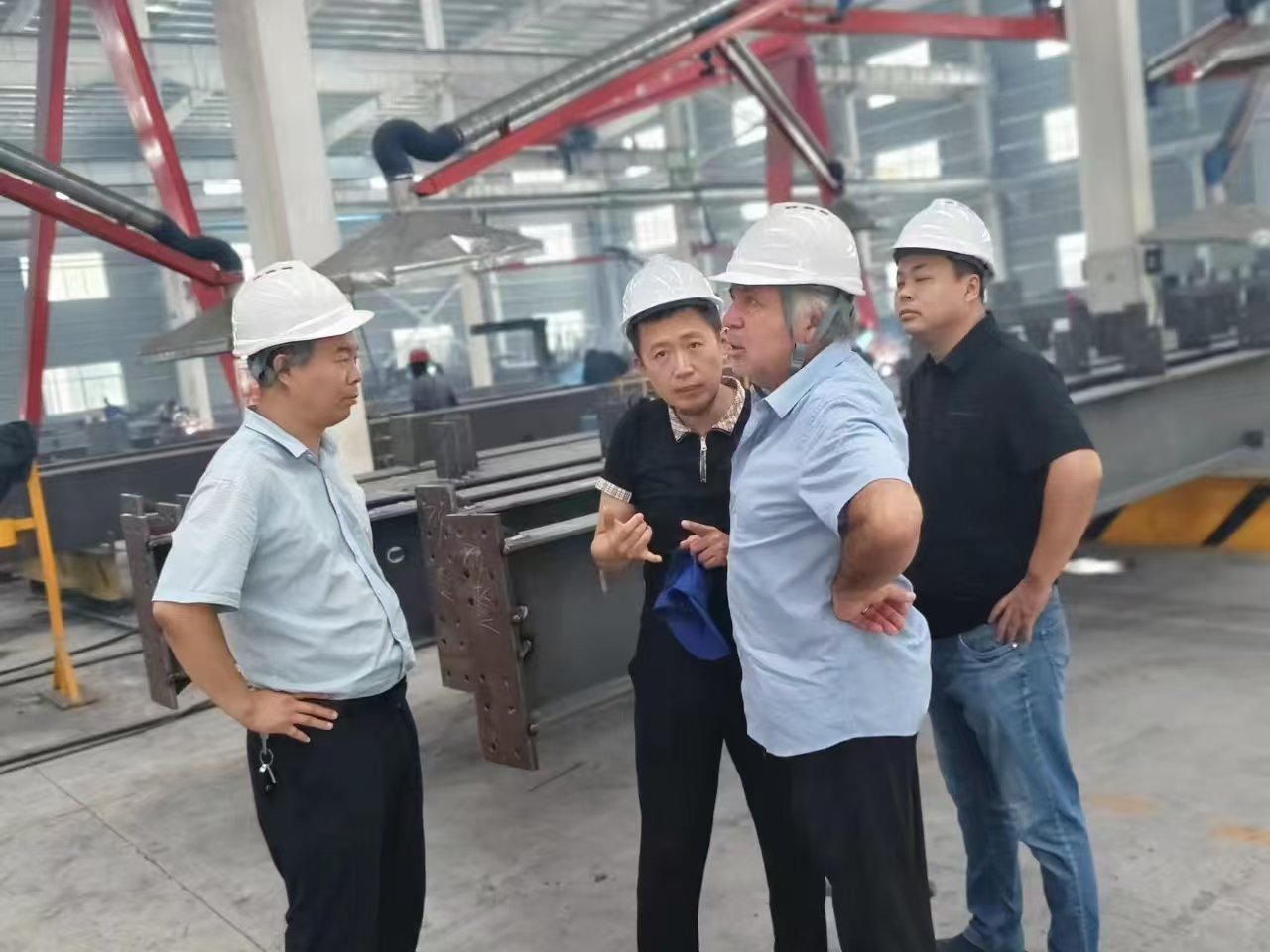
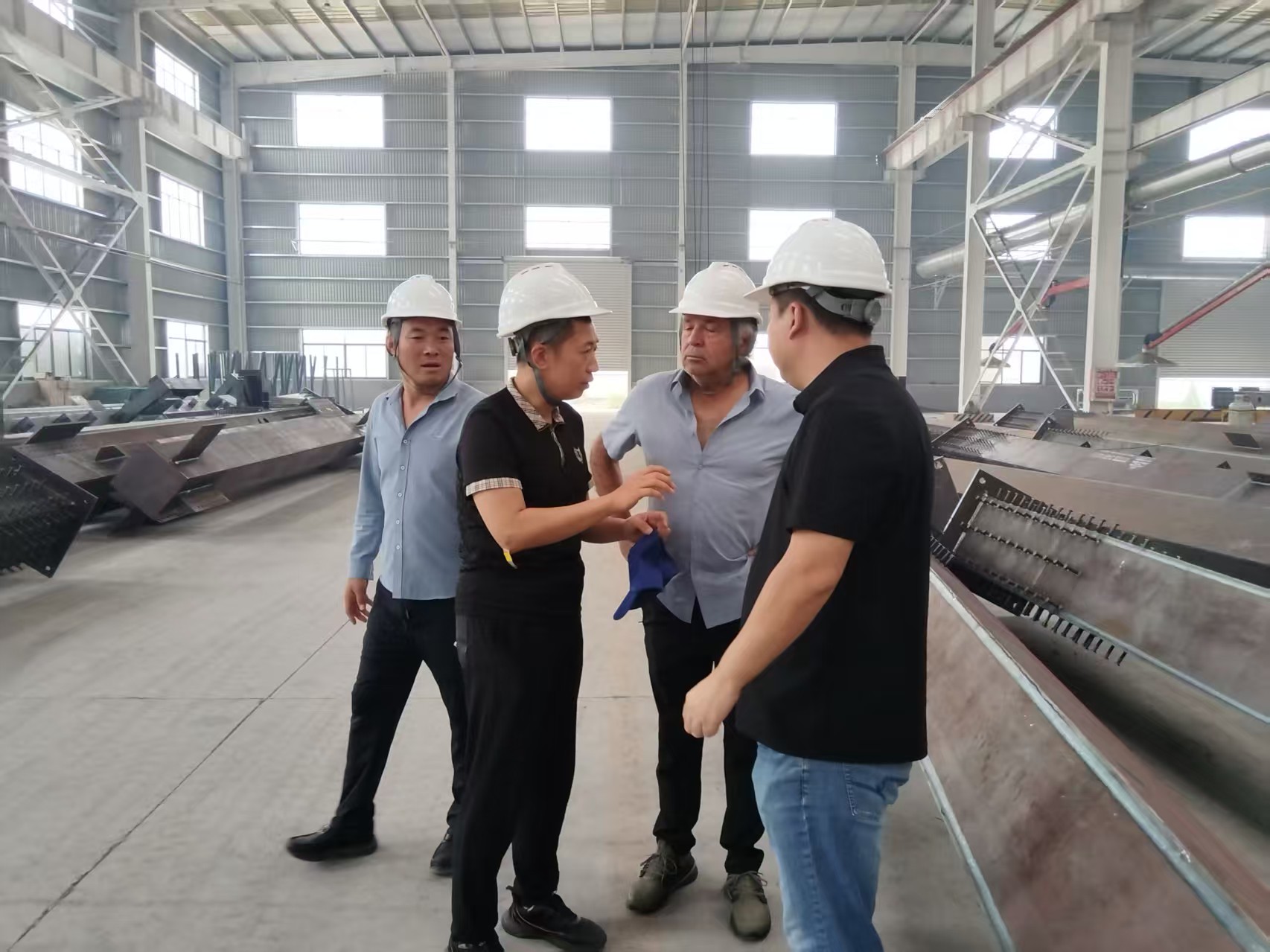
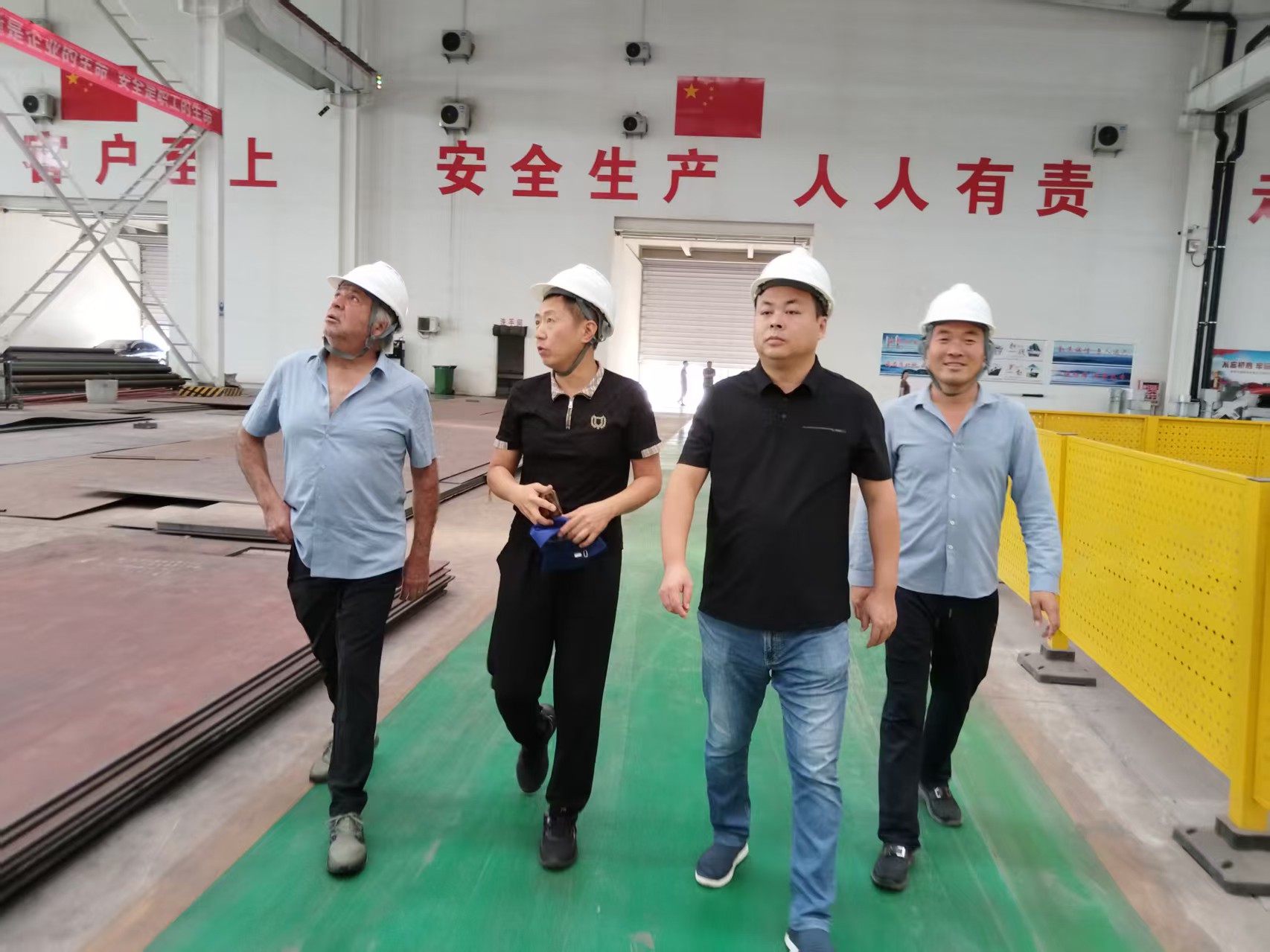
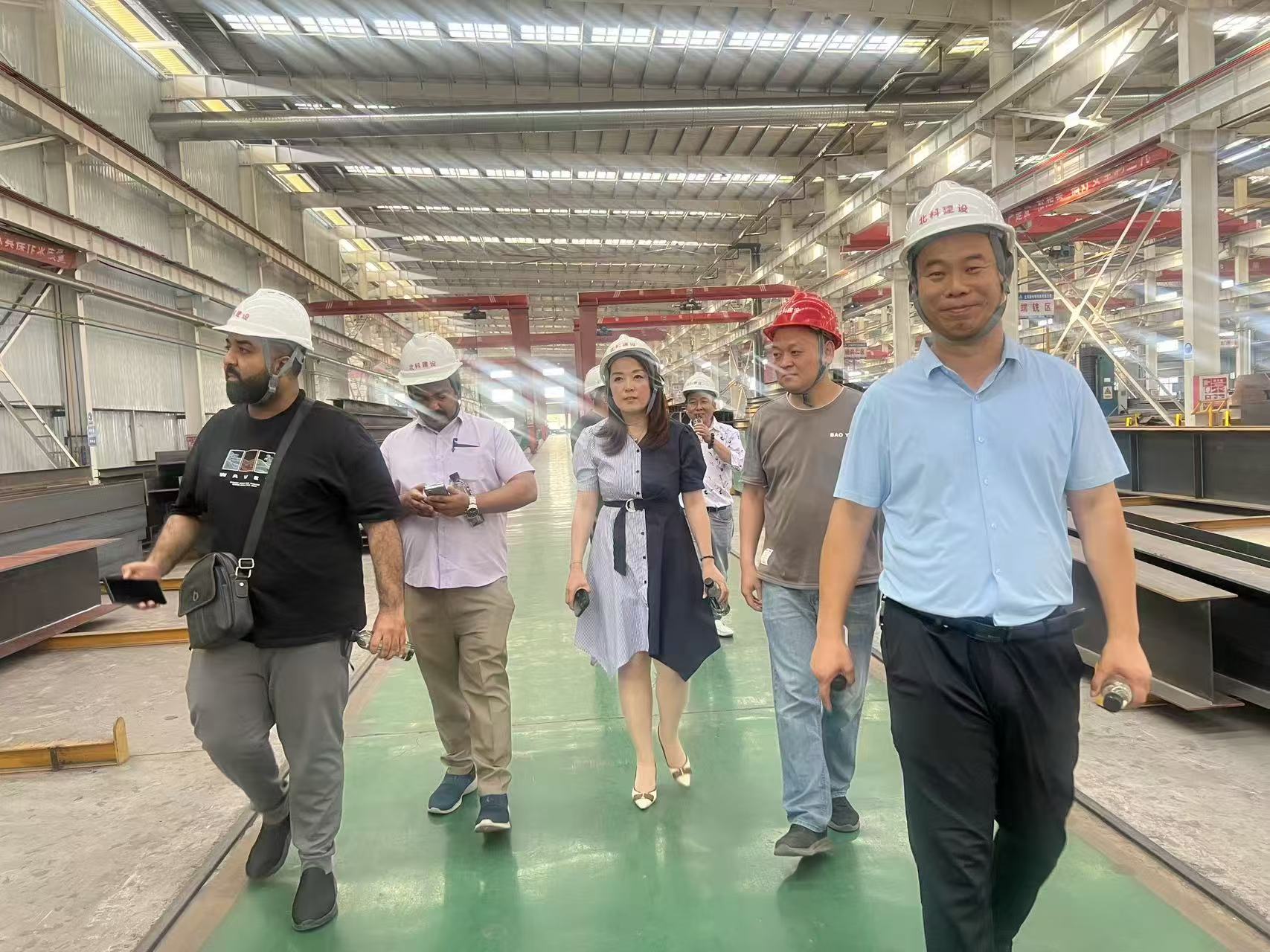
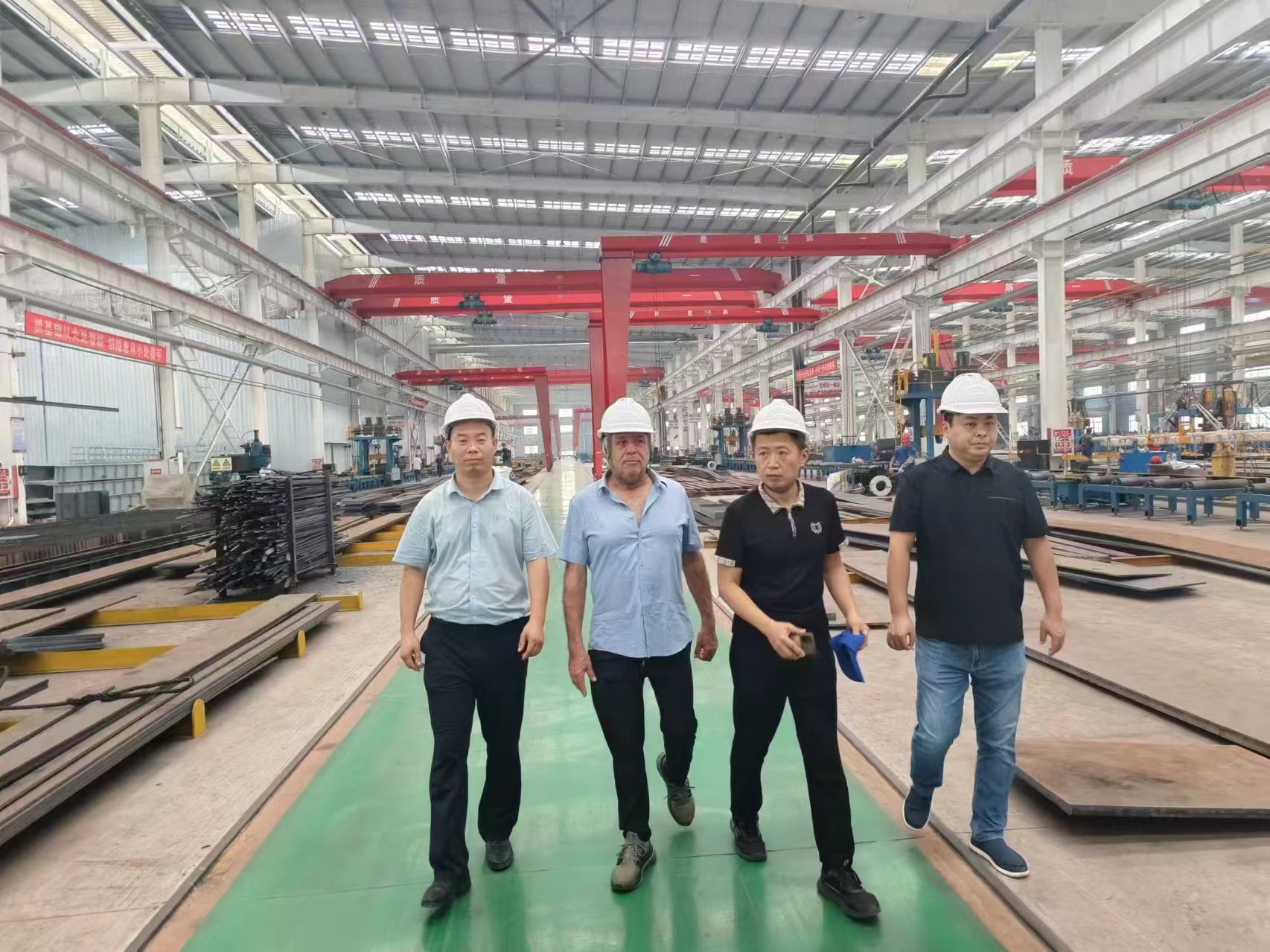
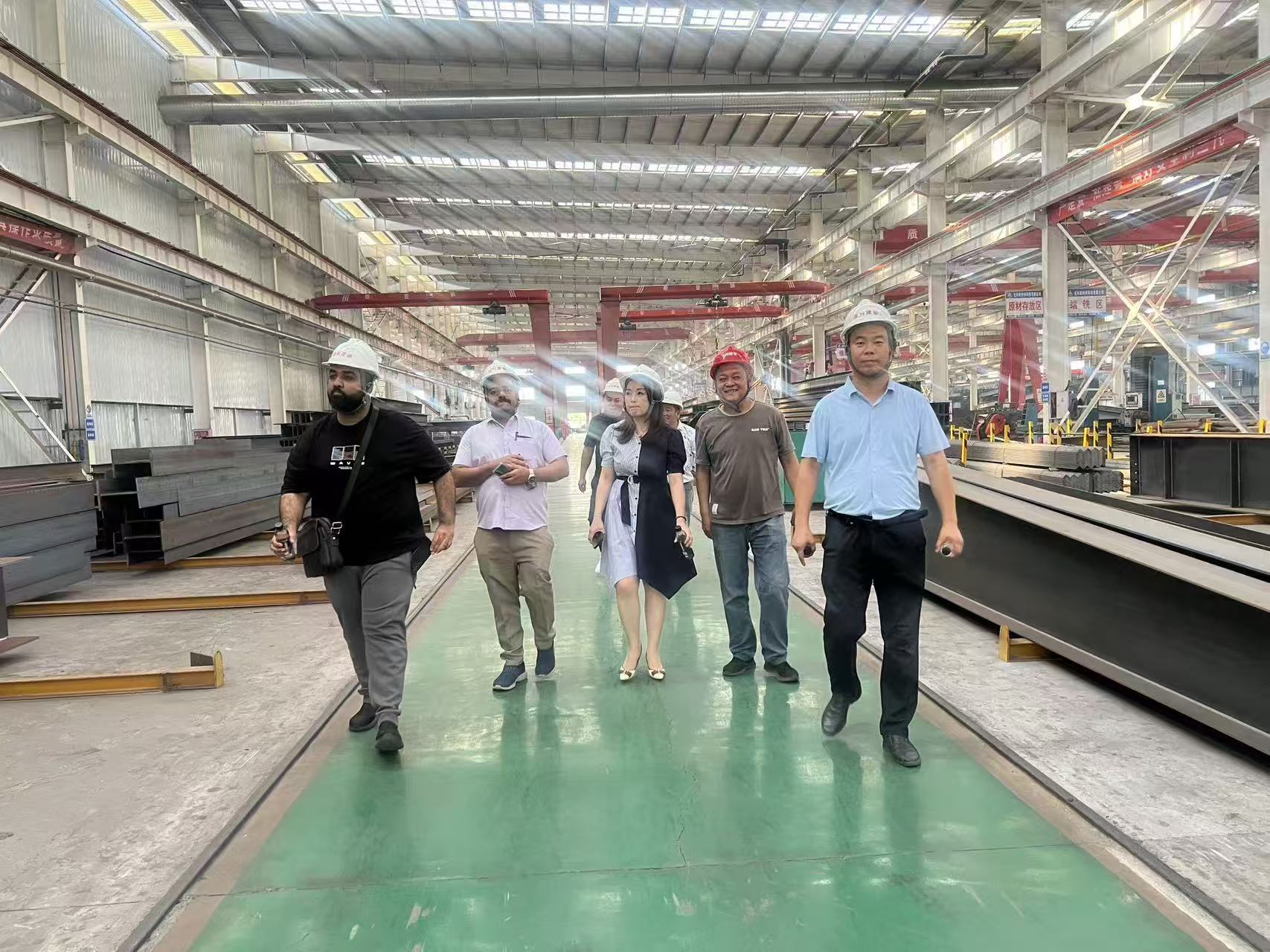
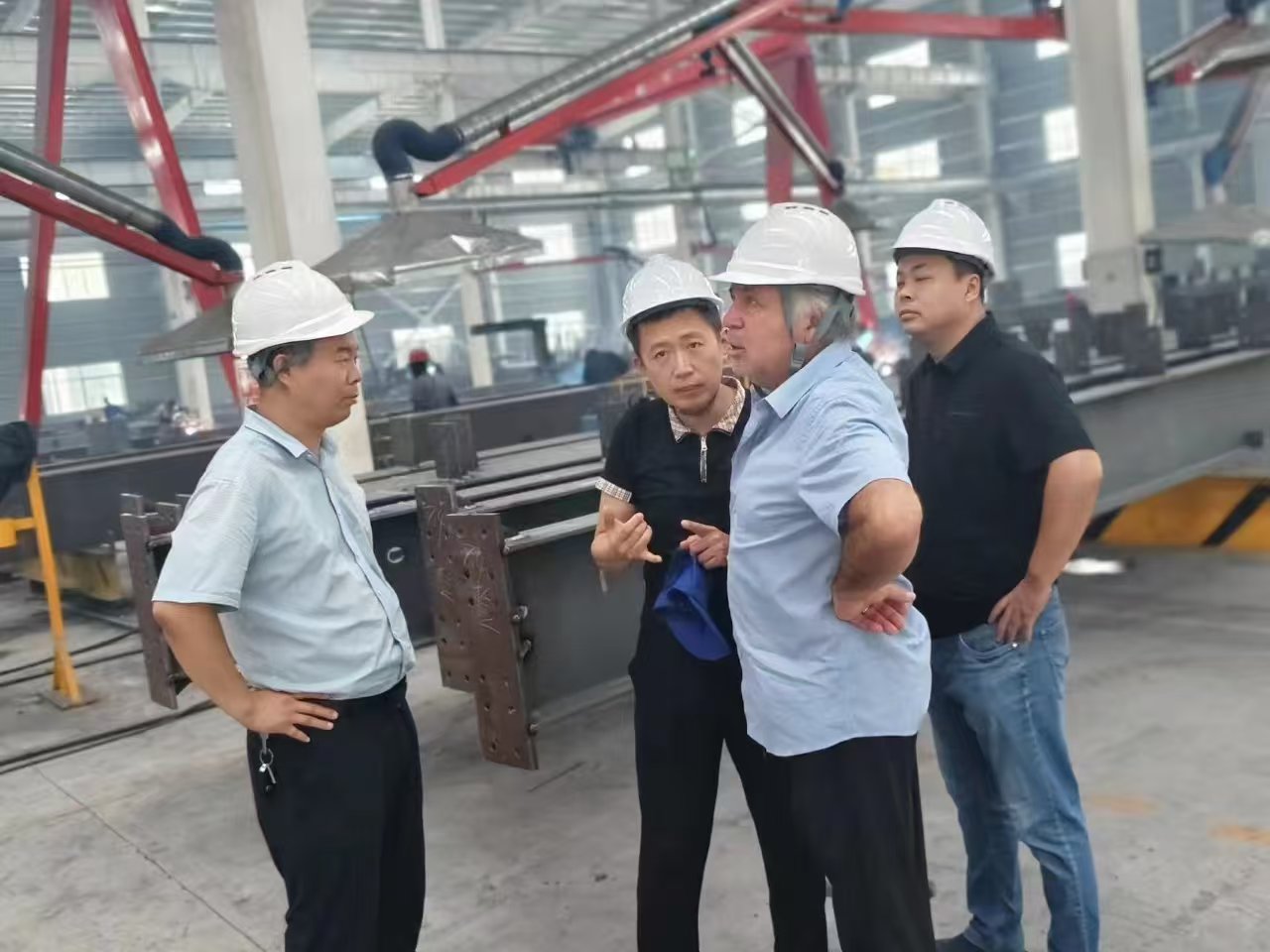
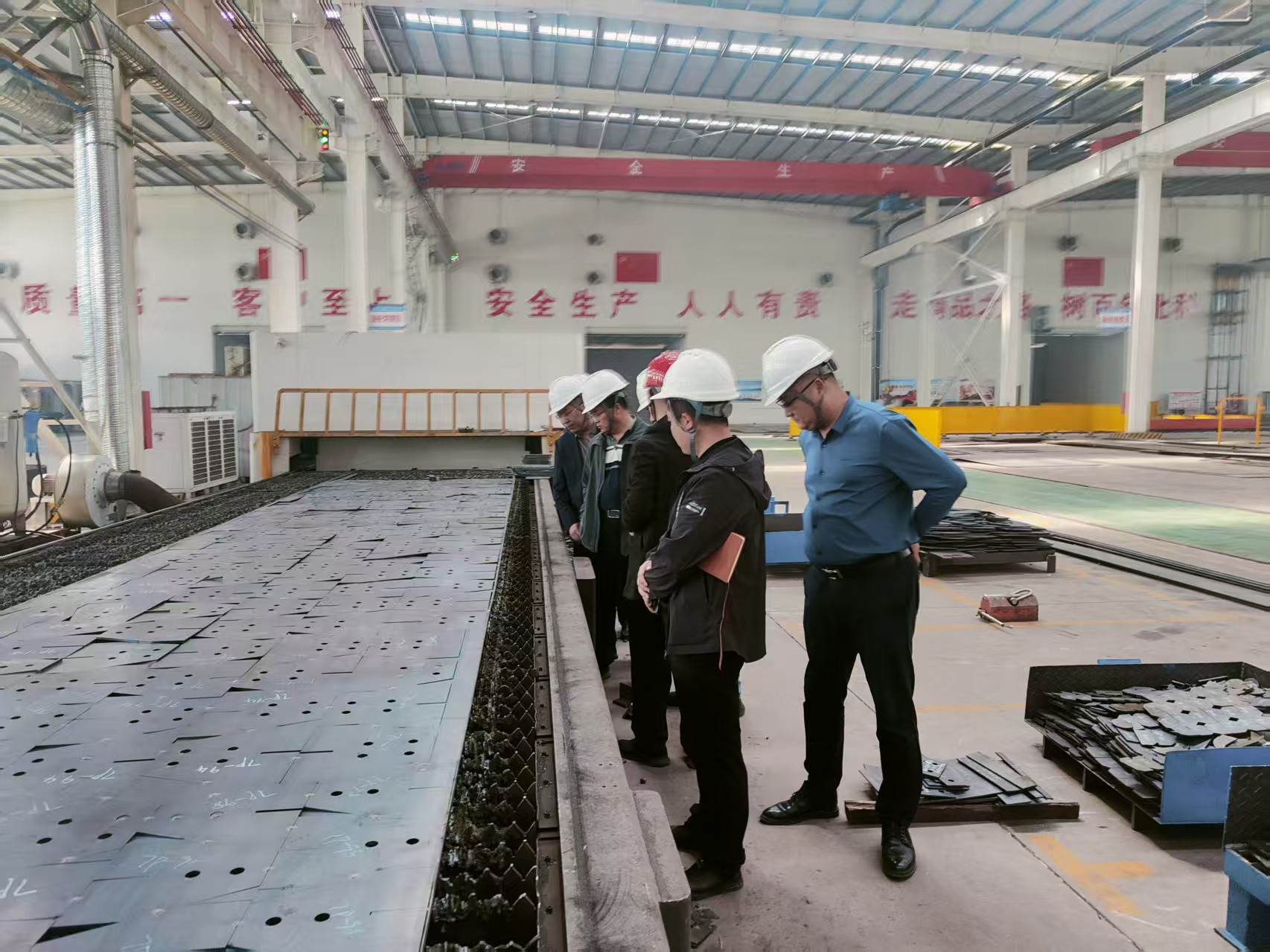
If you want to understand how livestock barn steel structures are produced before placing an order, you are welcome to visit our company. You can see how steel materials are prepared, how columns and beams are fabricated, how holes and connection plates are processed, how surface treatment is handled, and how components are marked and packed.
A livestock barn is not a temporary shed. It affects animal comfort, farm management, feeding efficiency, cleaning, ventilation, labor cost, and long-term operating cost. Visiting the factory, meeting the engineering and production team, and discussing your farm layout face to face can help you make a clearer decision.
Factory Display
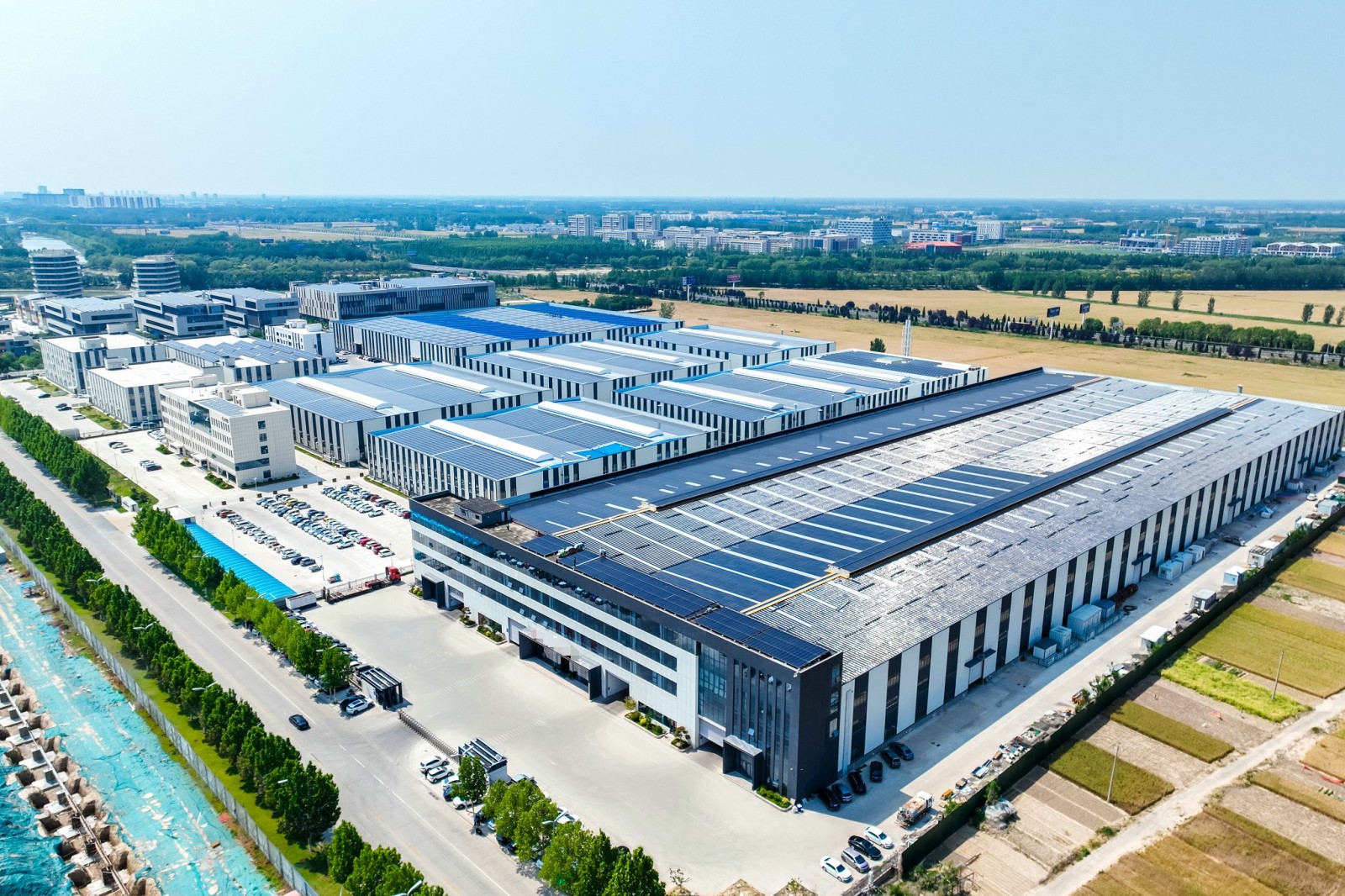
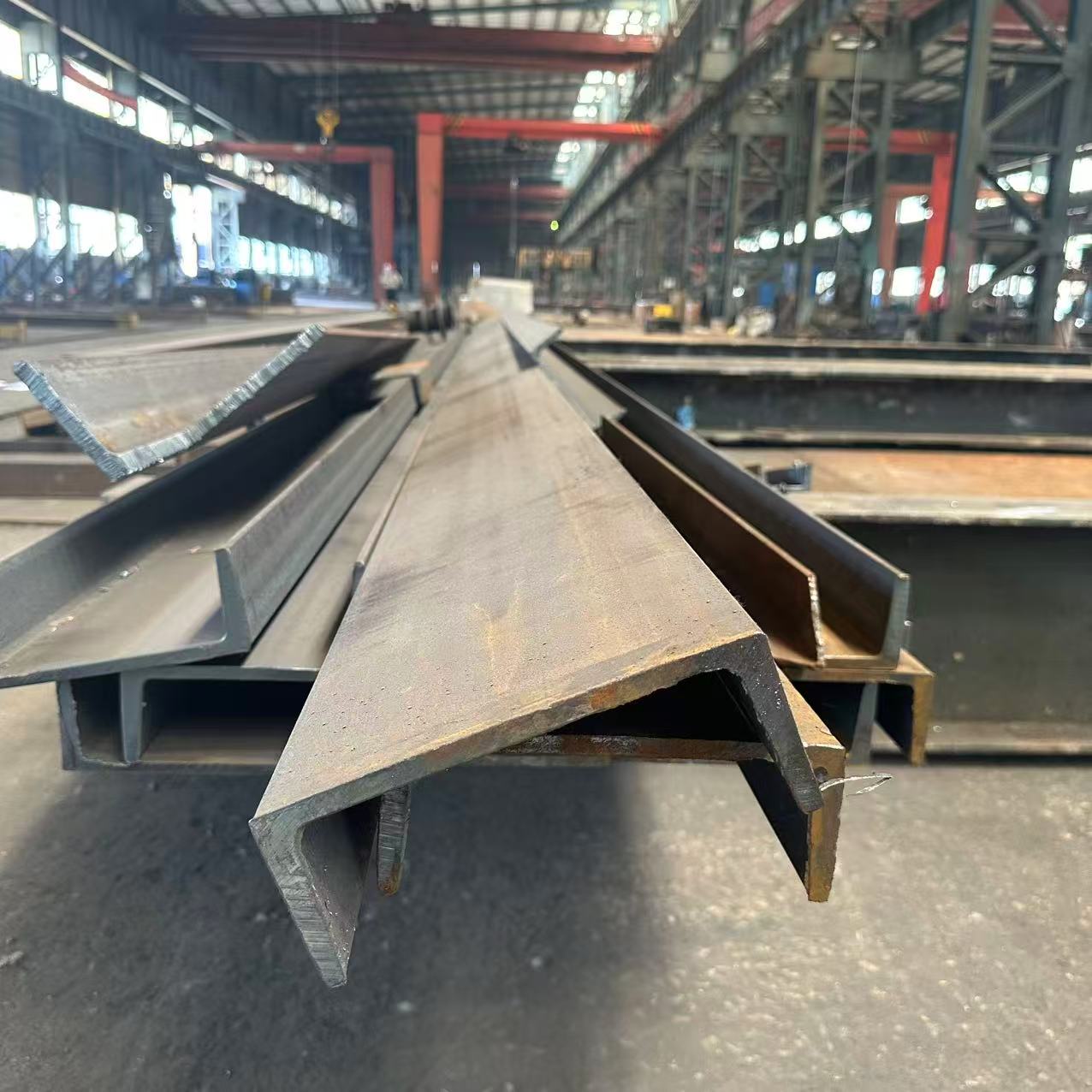
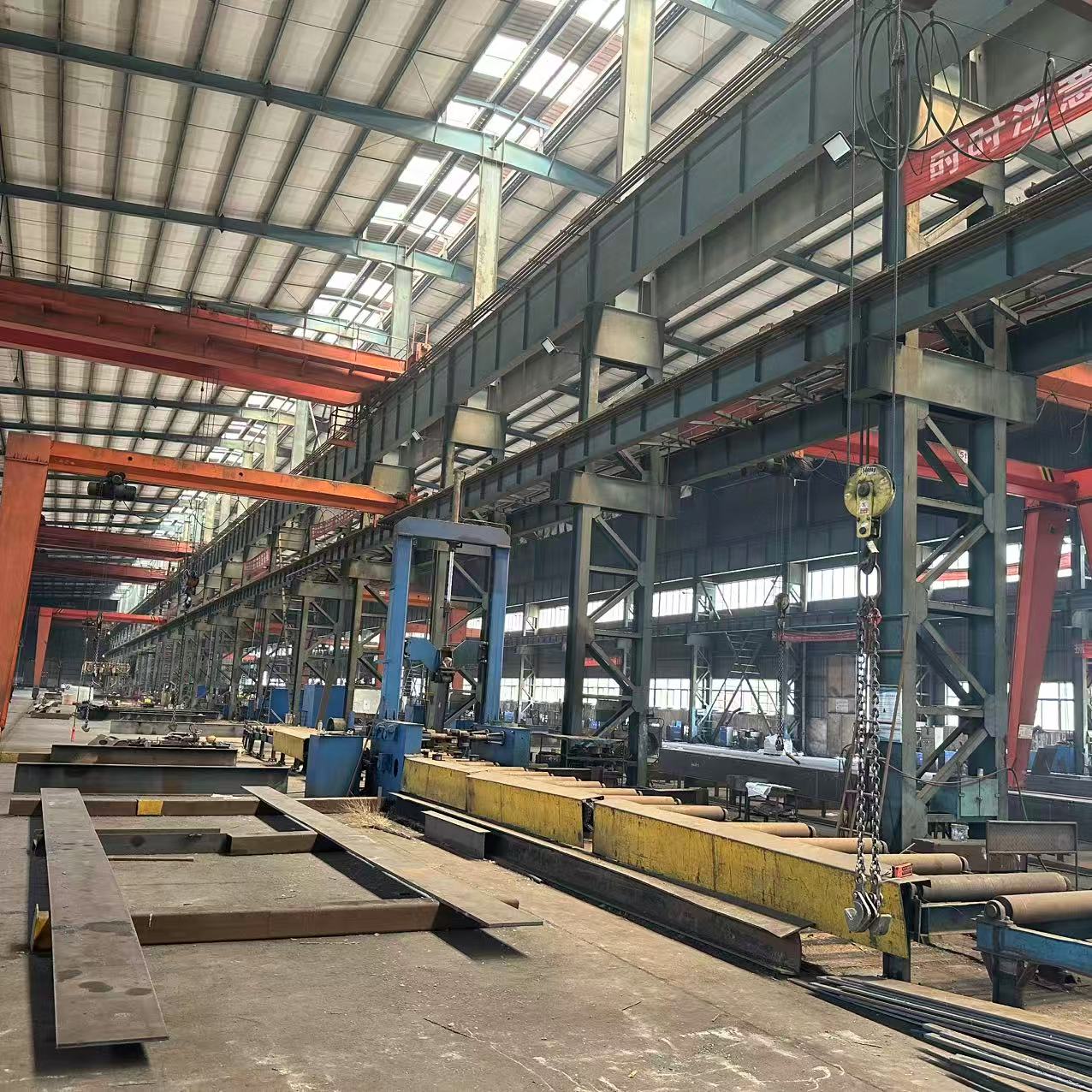
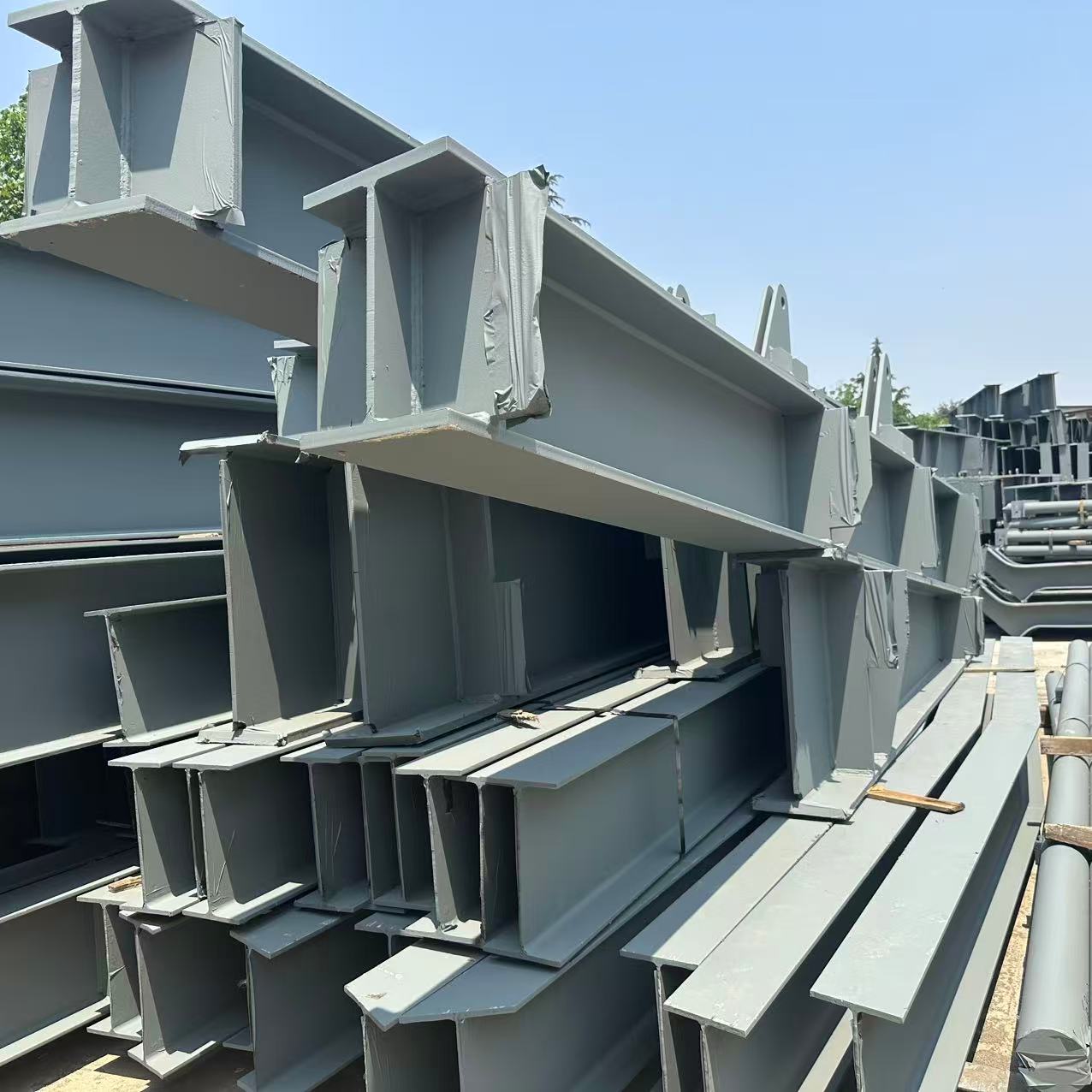
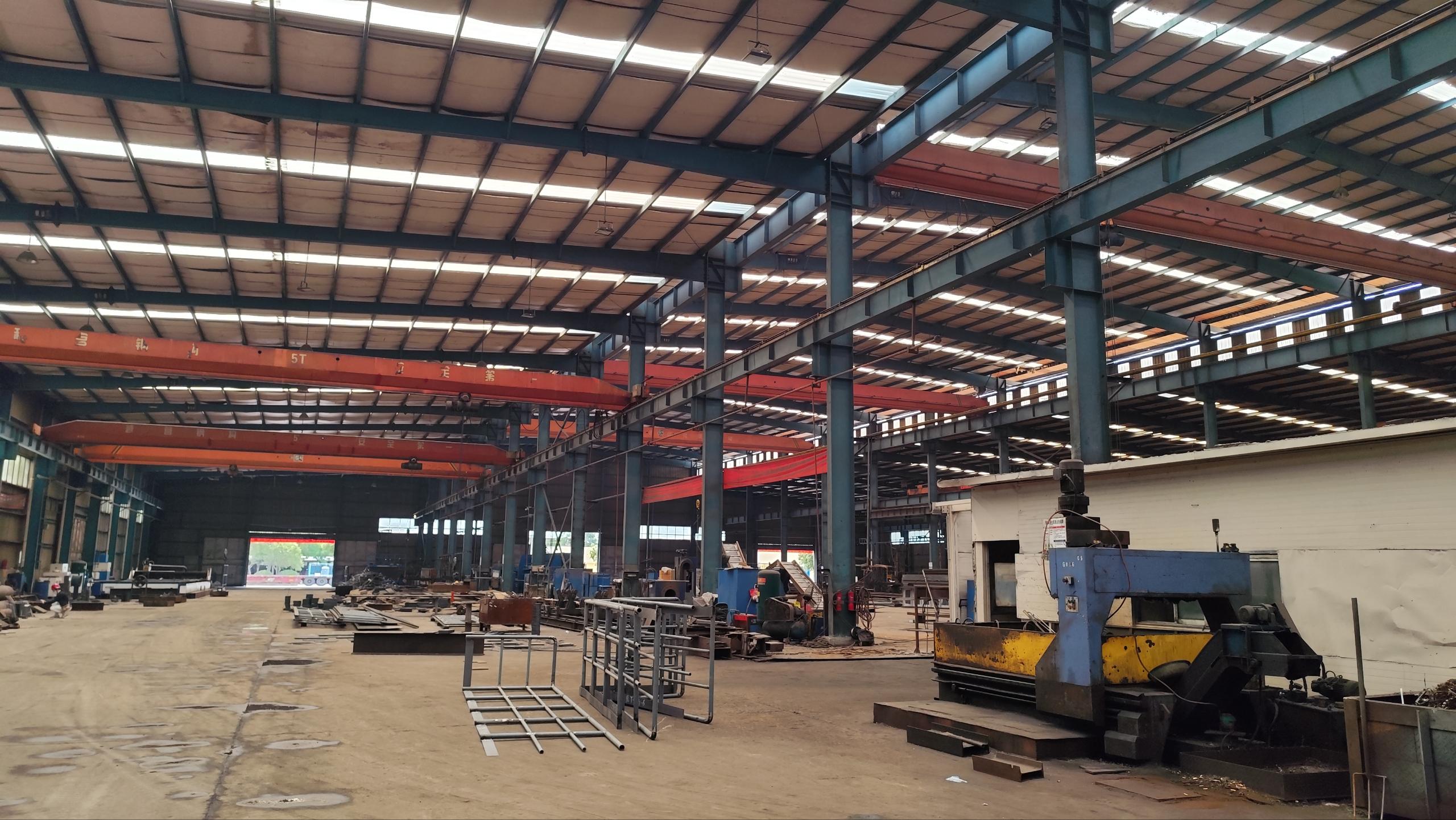
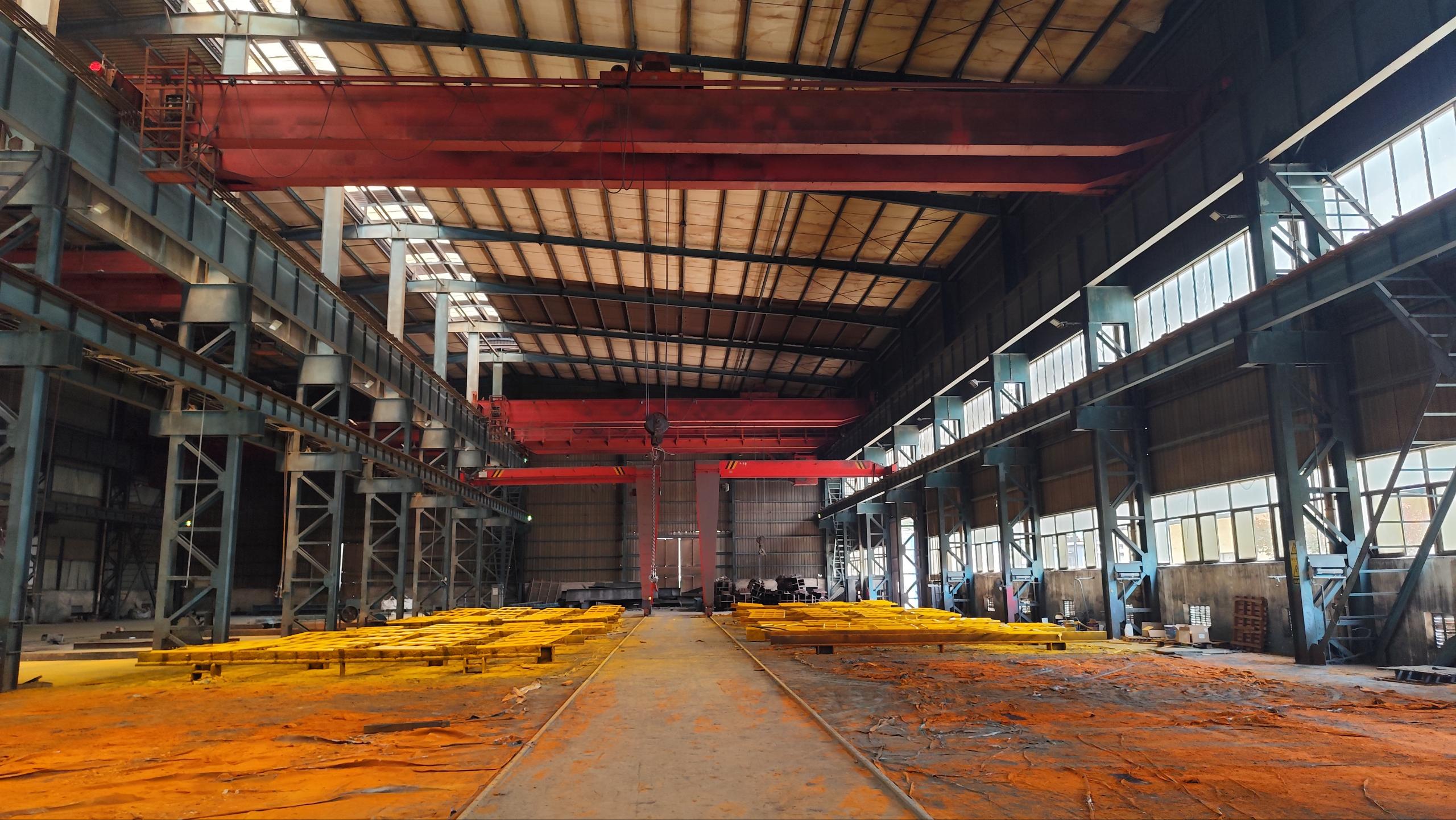
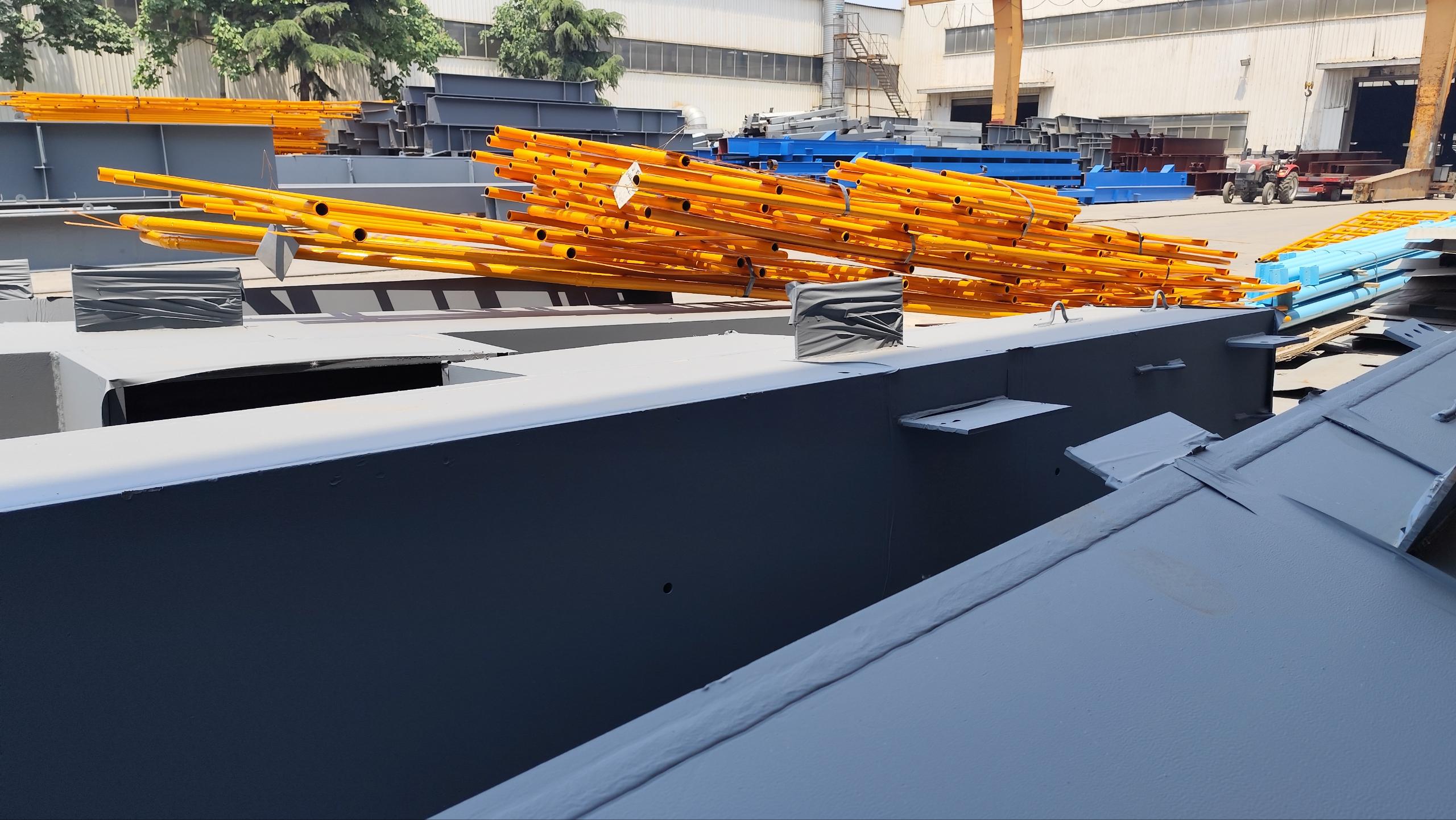
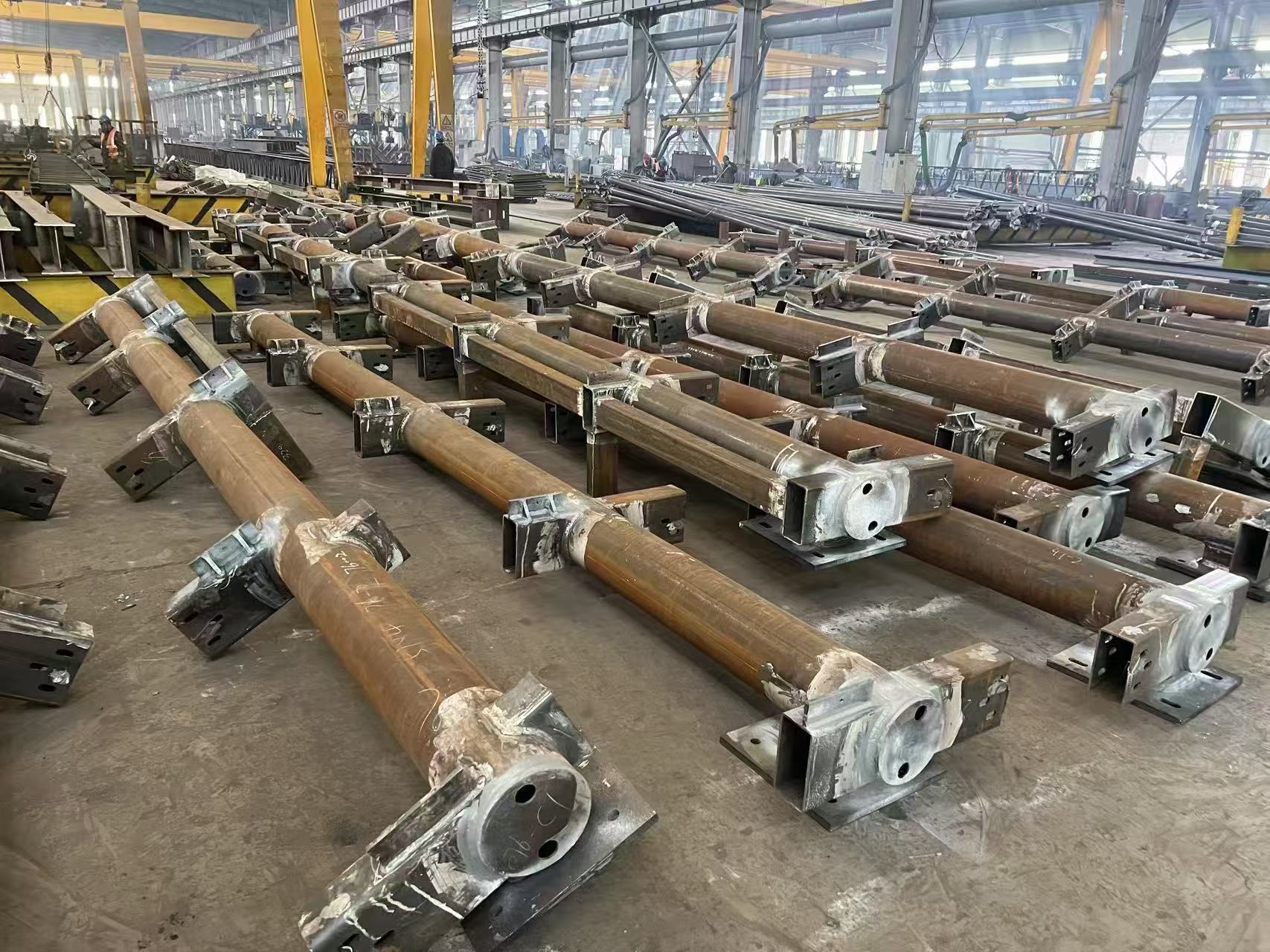
The facility operates 170 sets of advanced fabrication equipment,including large hydraulic press brakes,CNC drilling machines,China's largest shot blasting units,and ultrasonic flaw detectors,ensuring precision manufacturing standards.
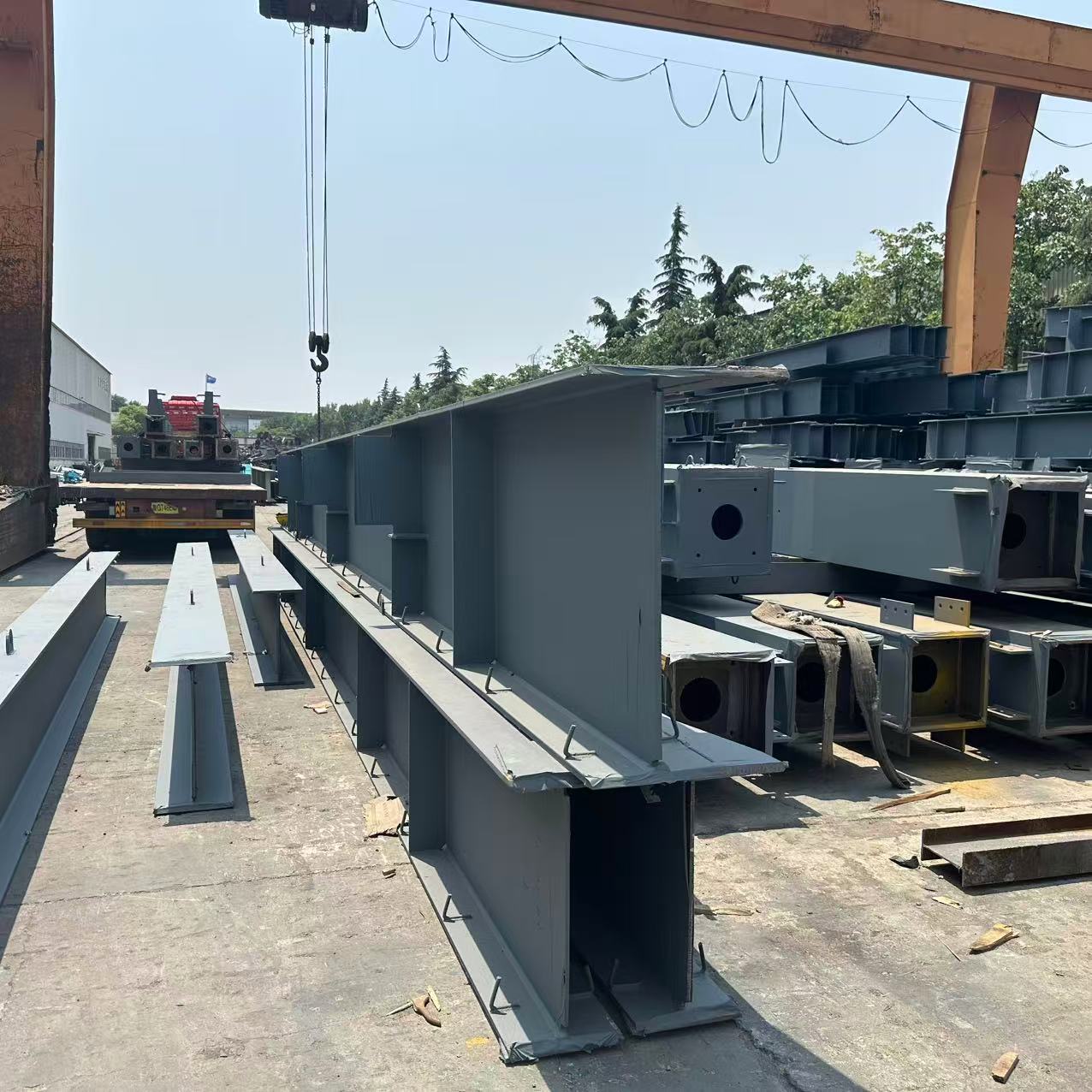
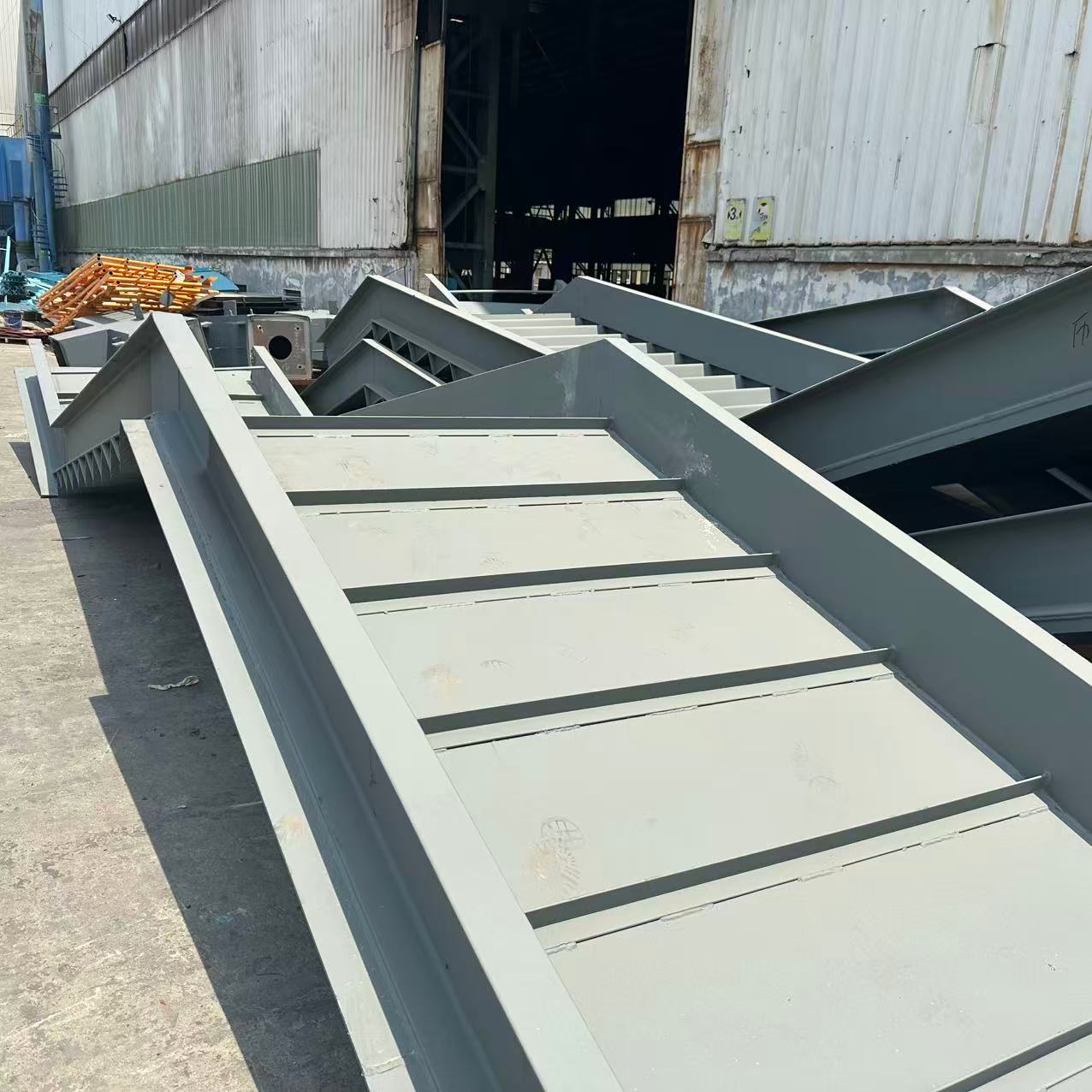
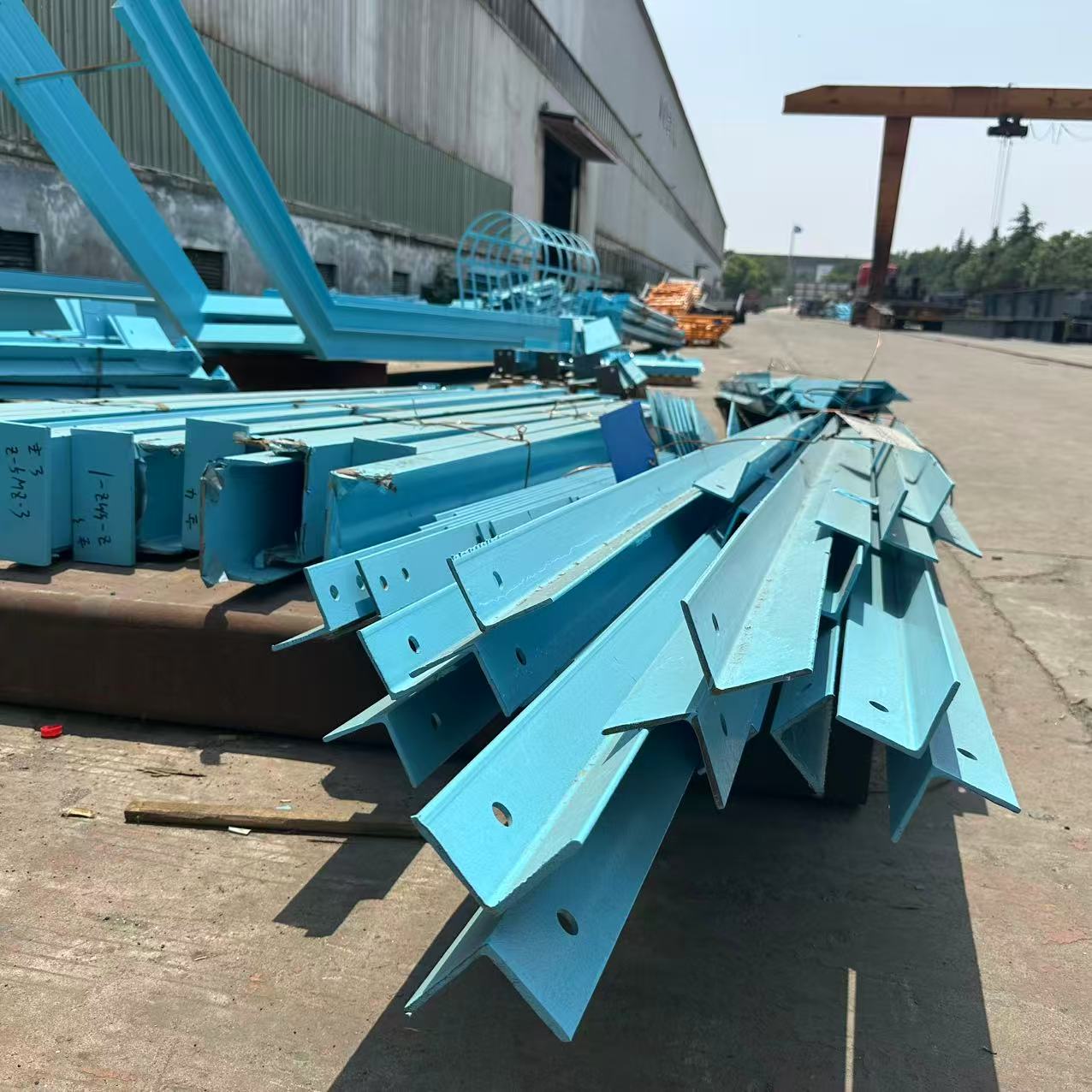
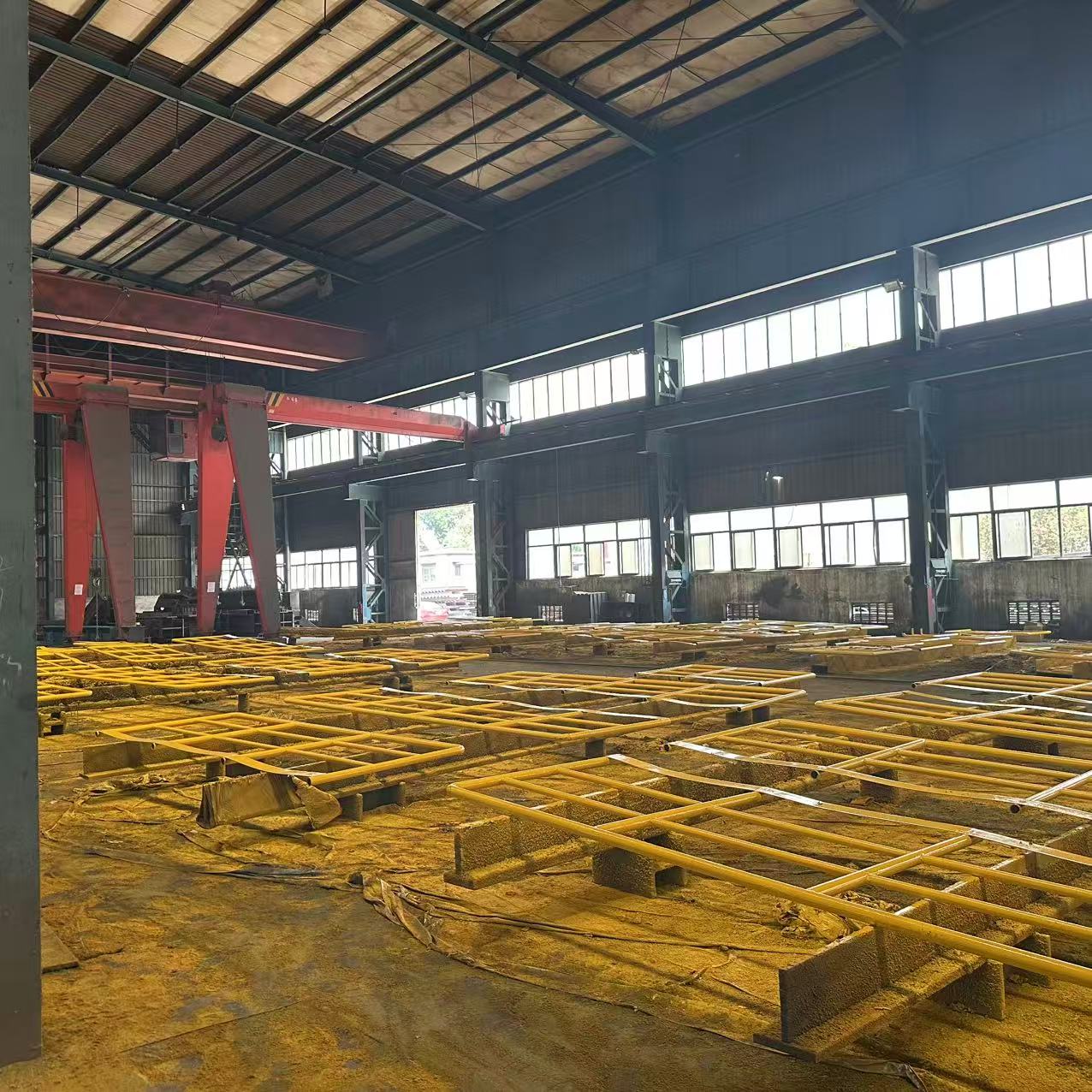
Packing & Delivery
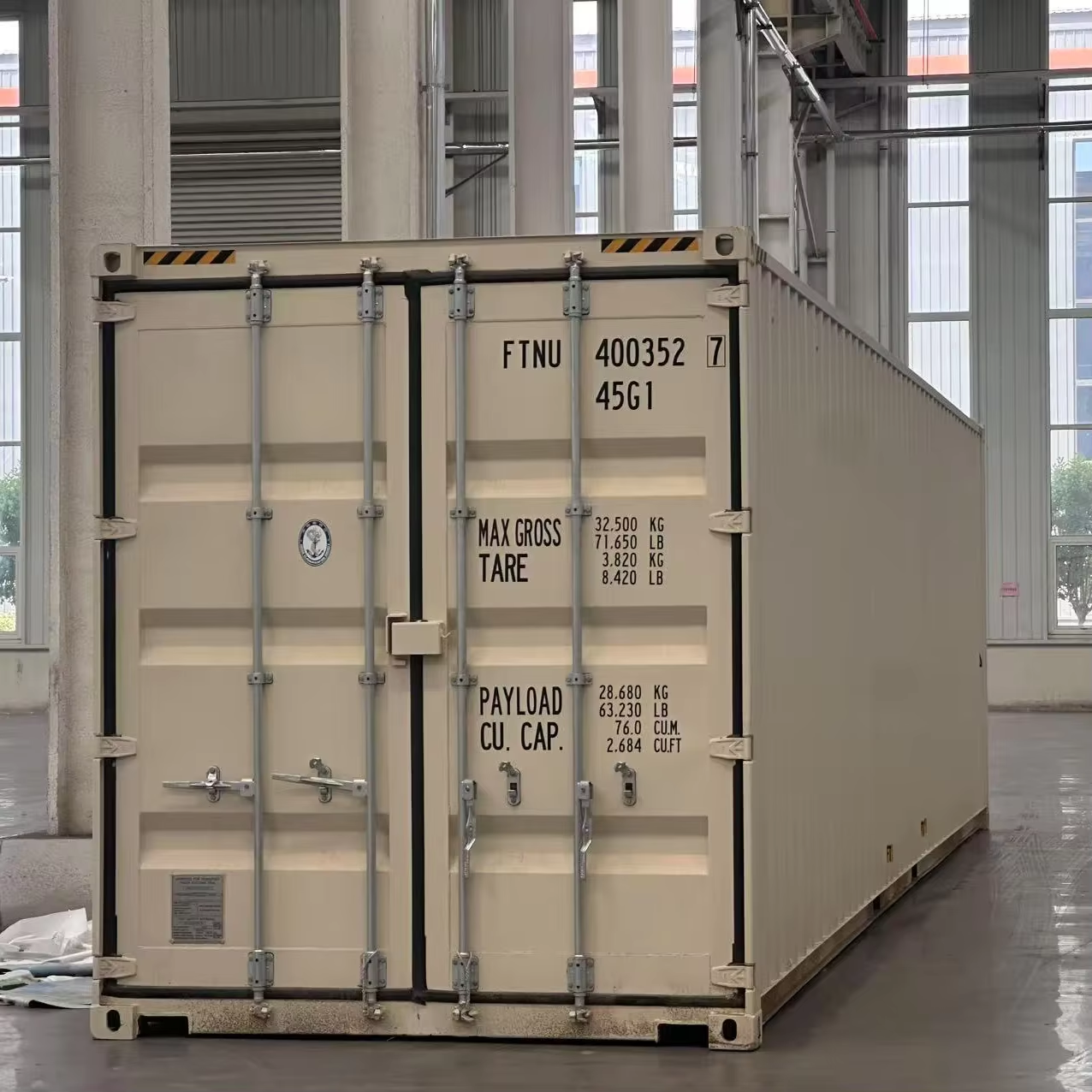
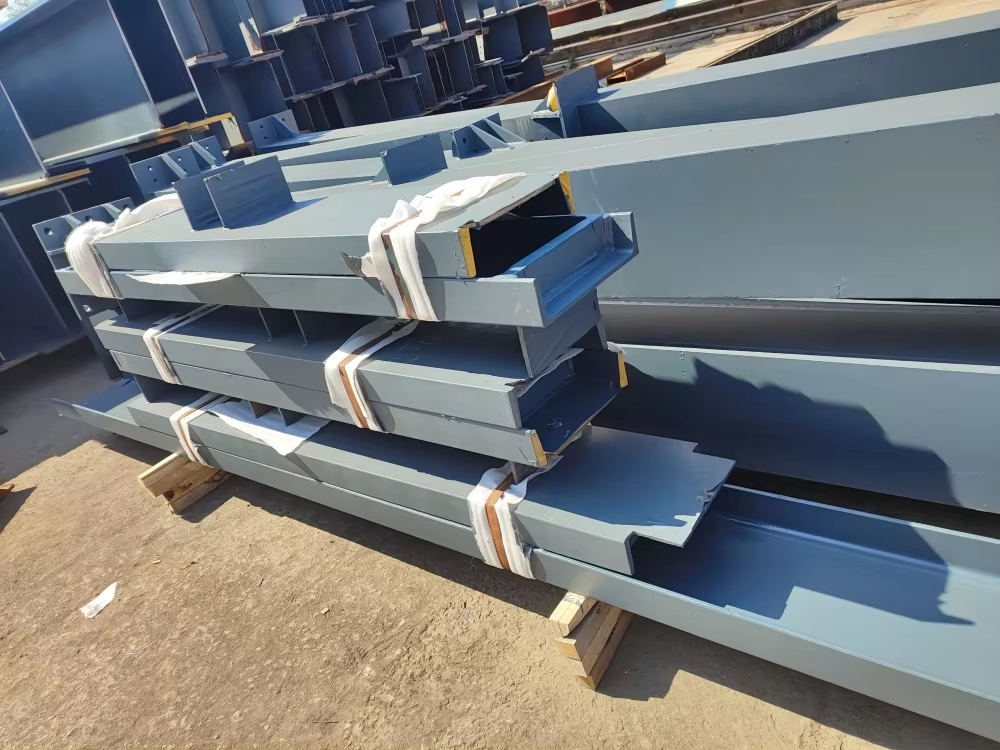
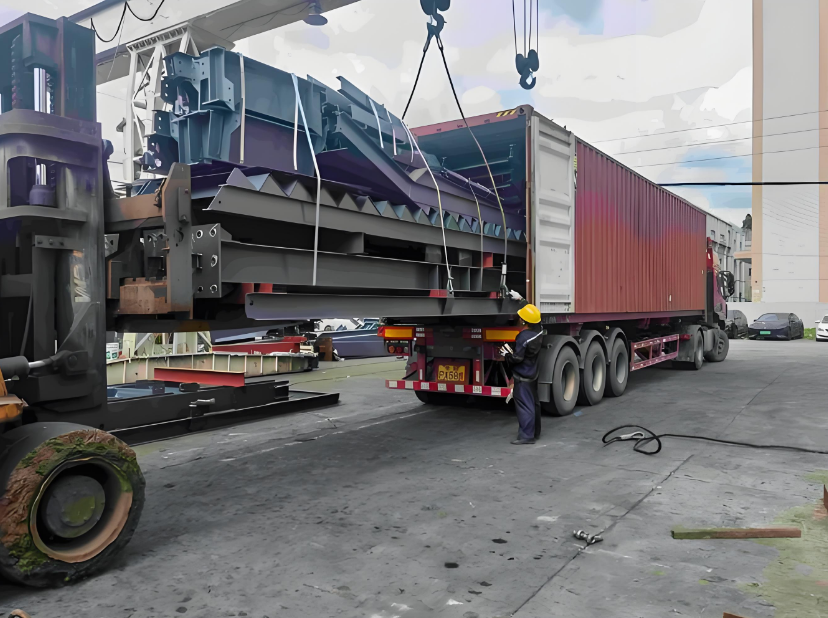
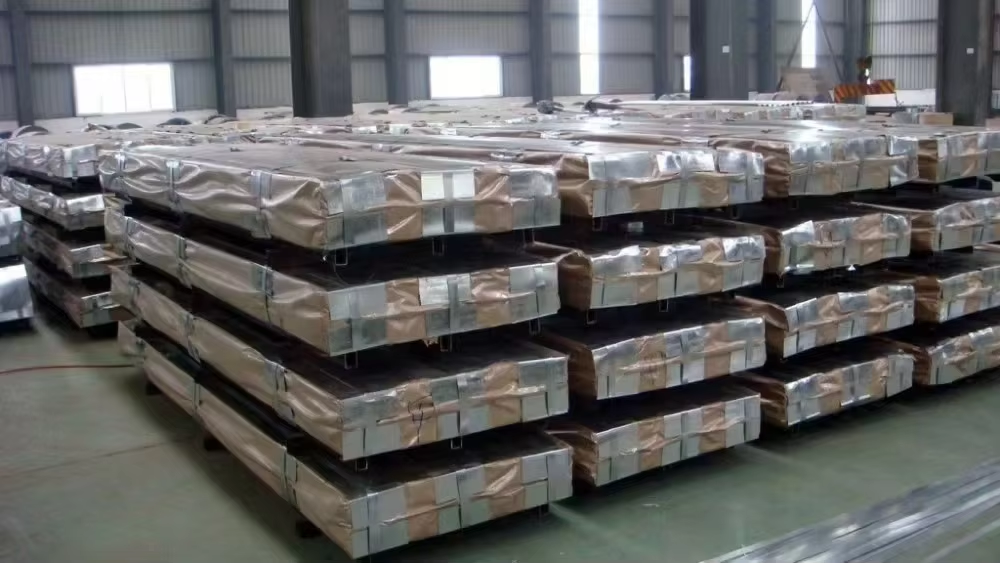
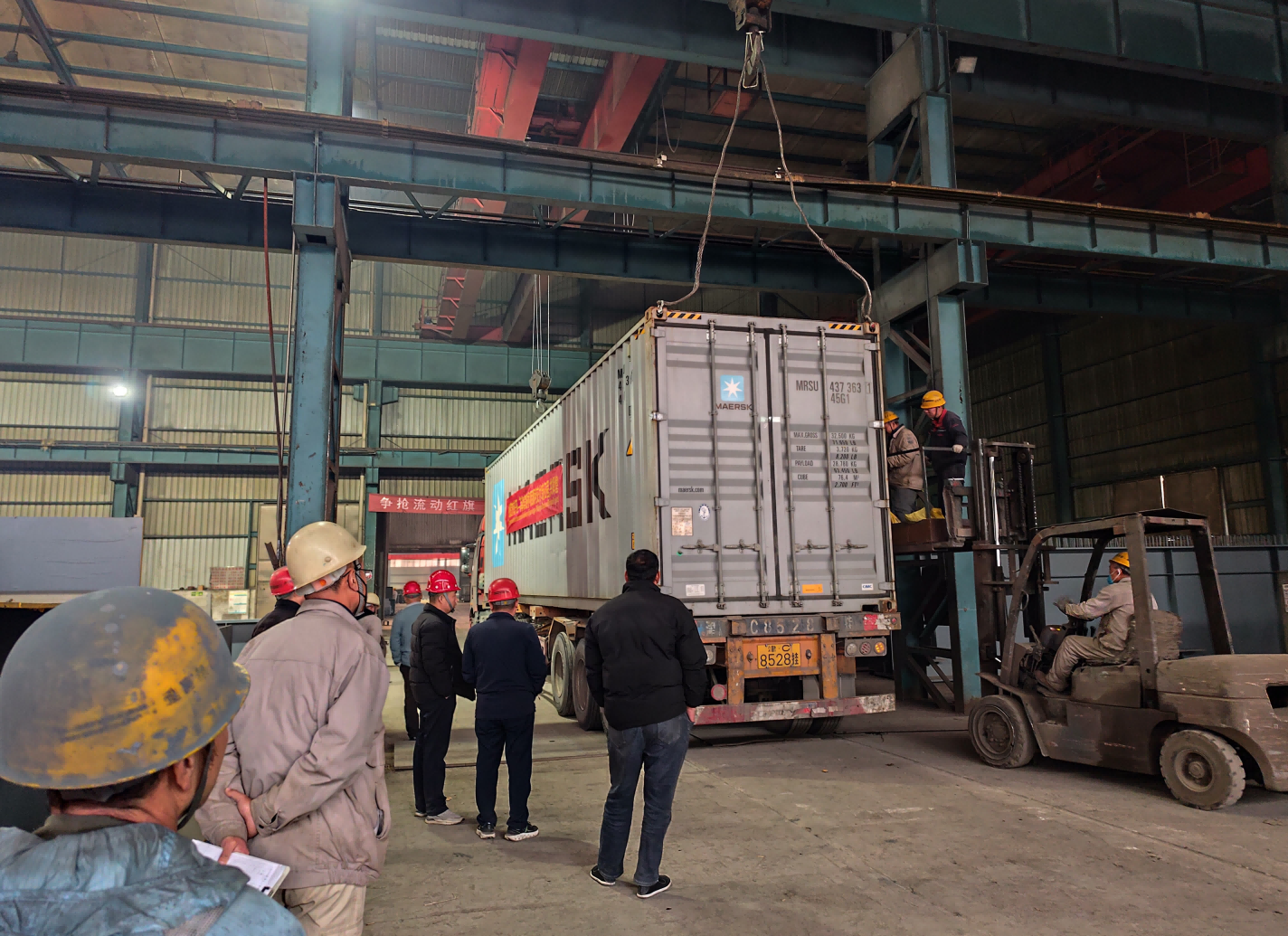
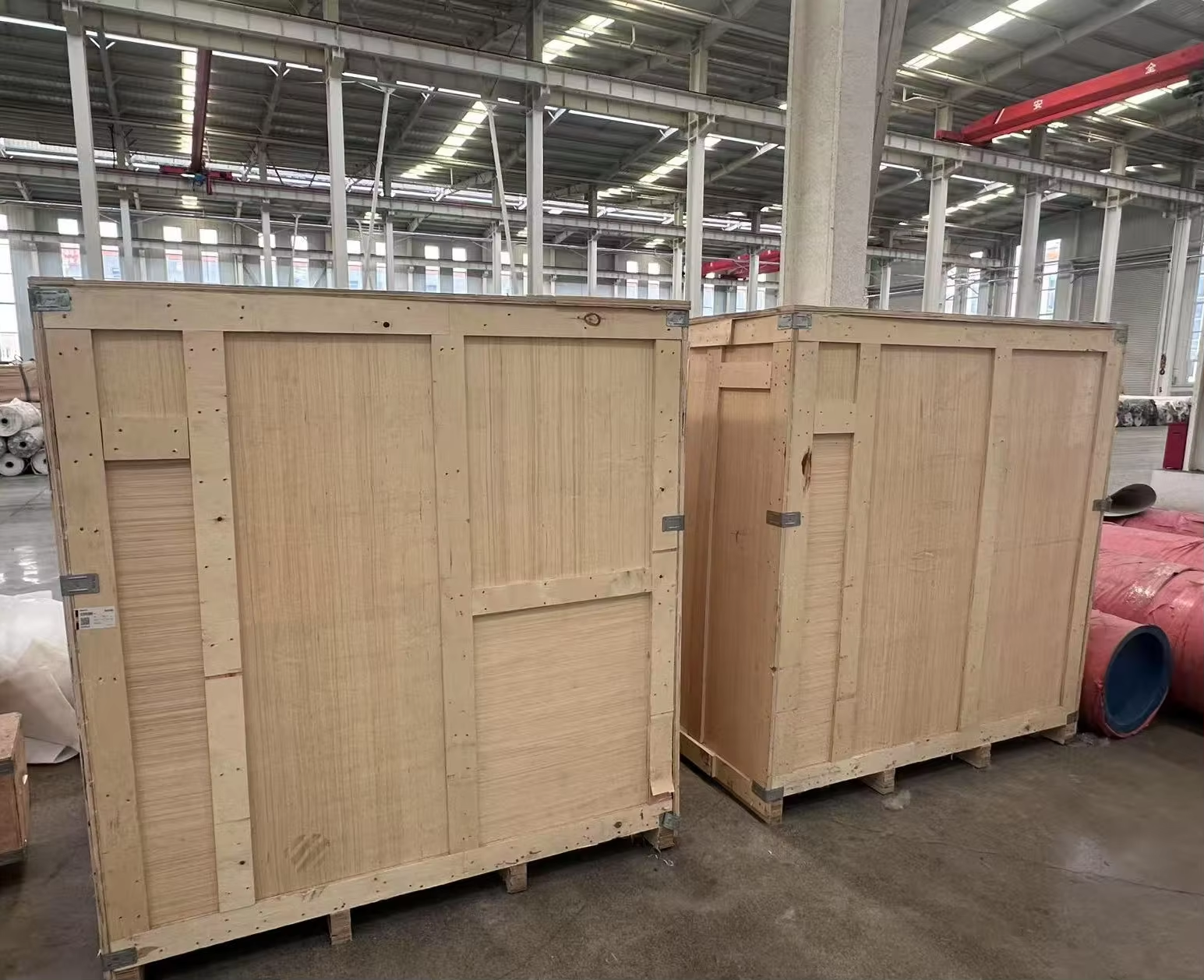
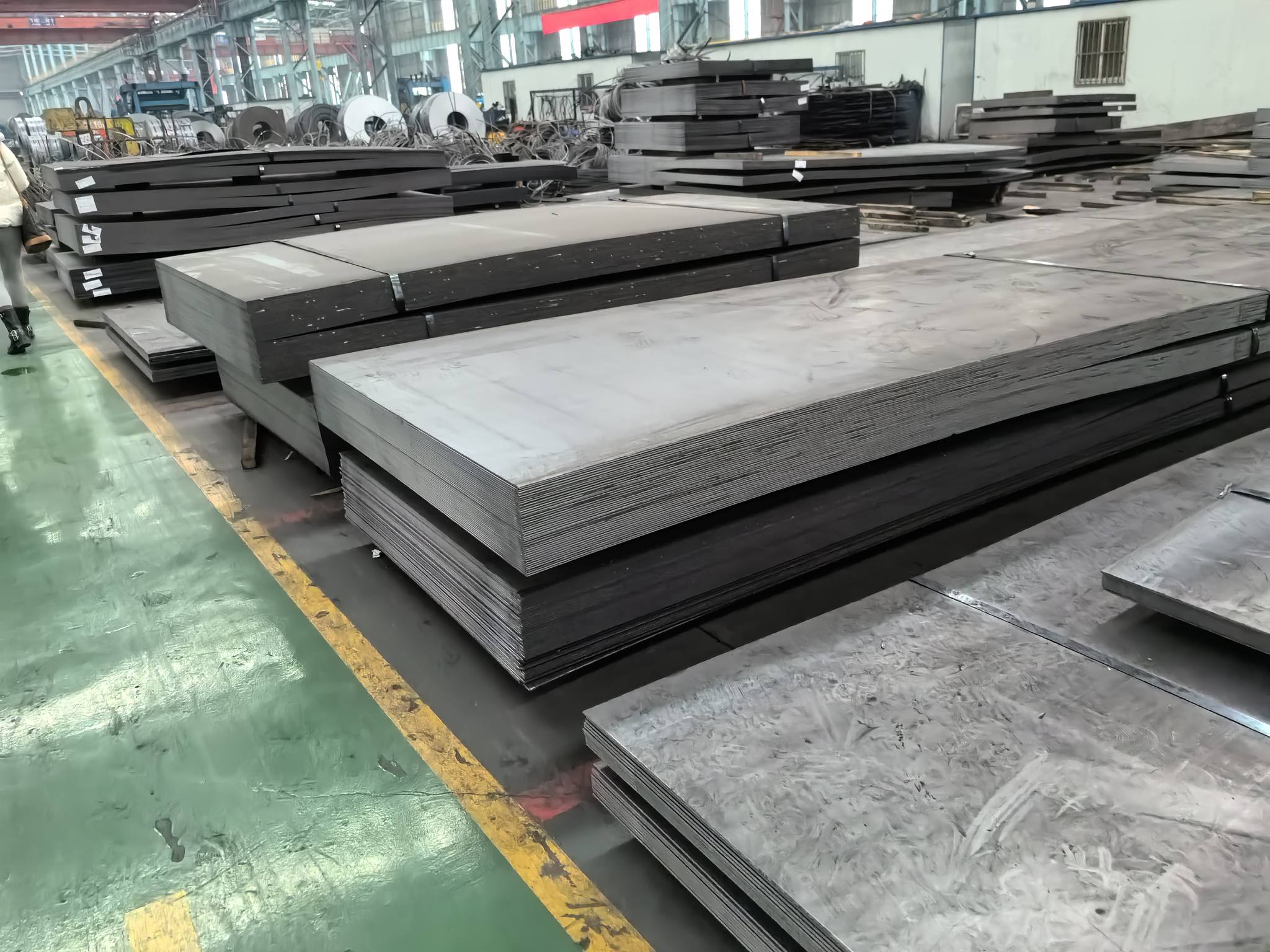
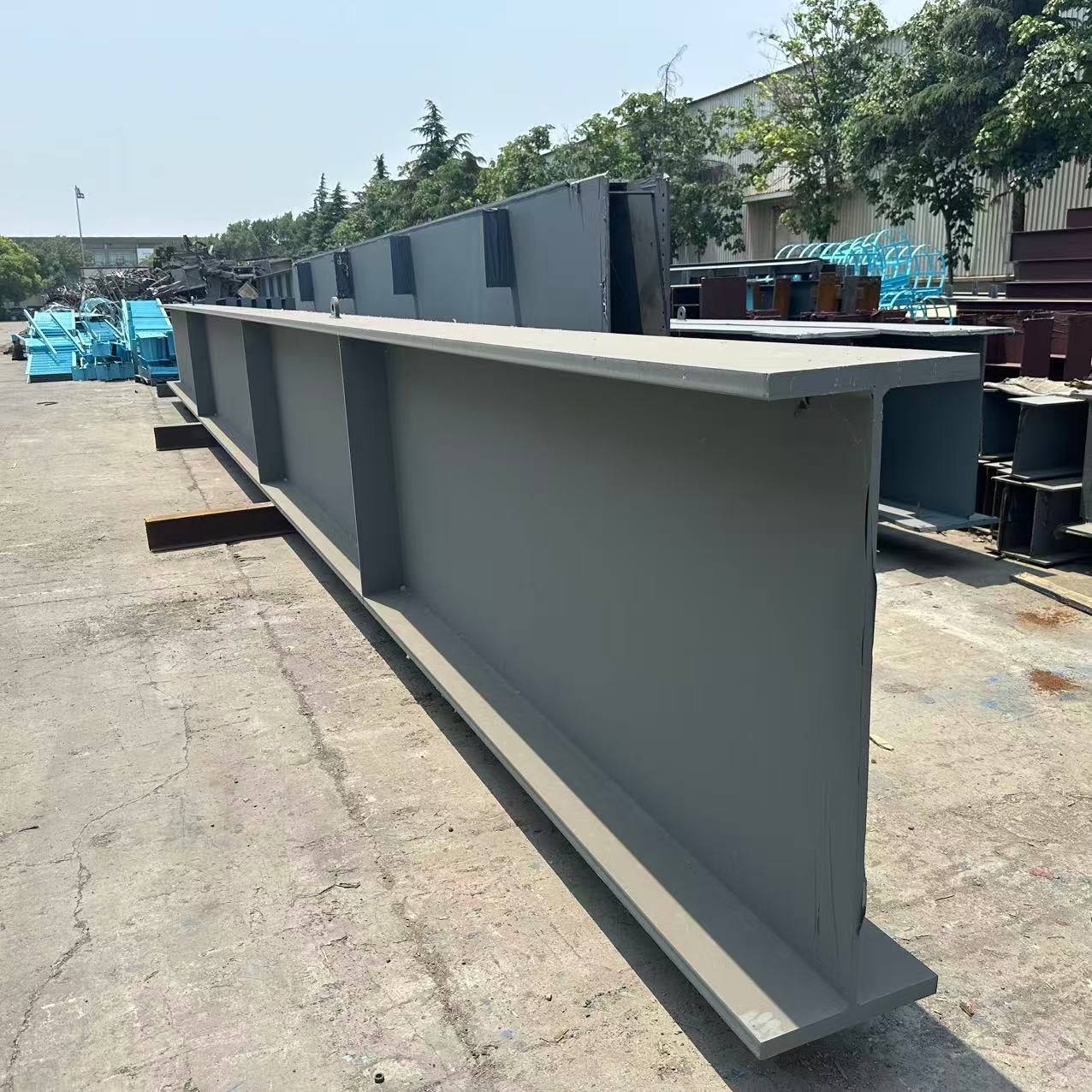
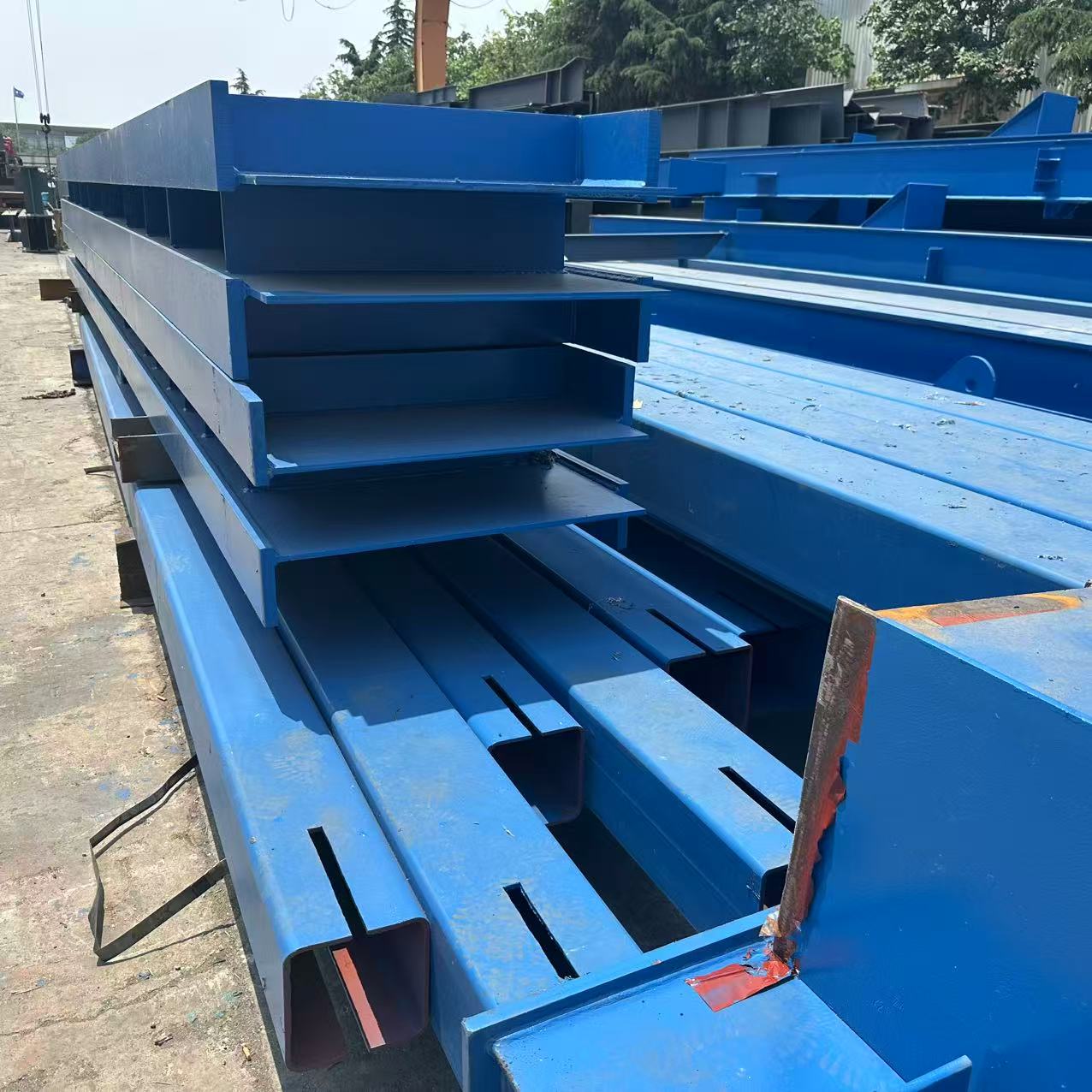
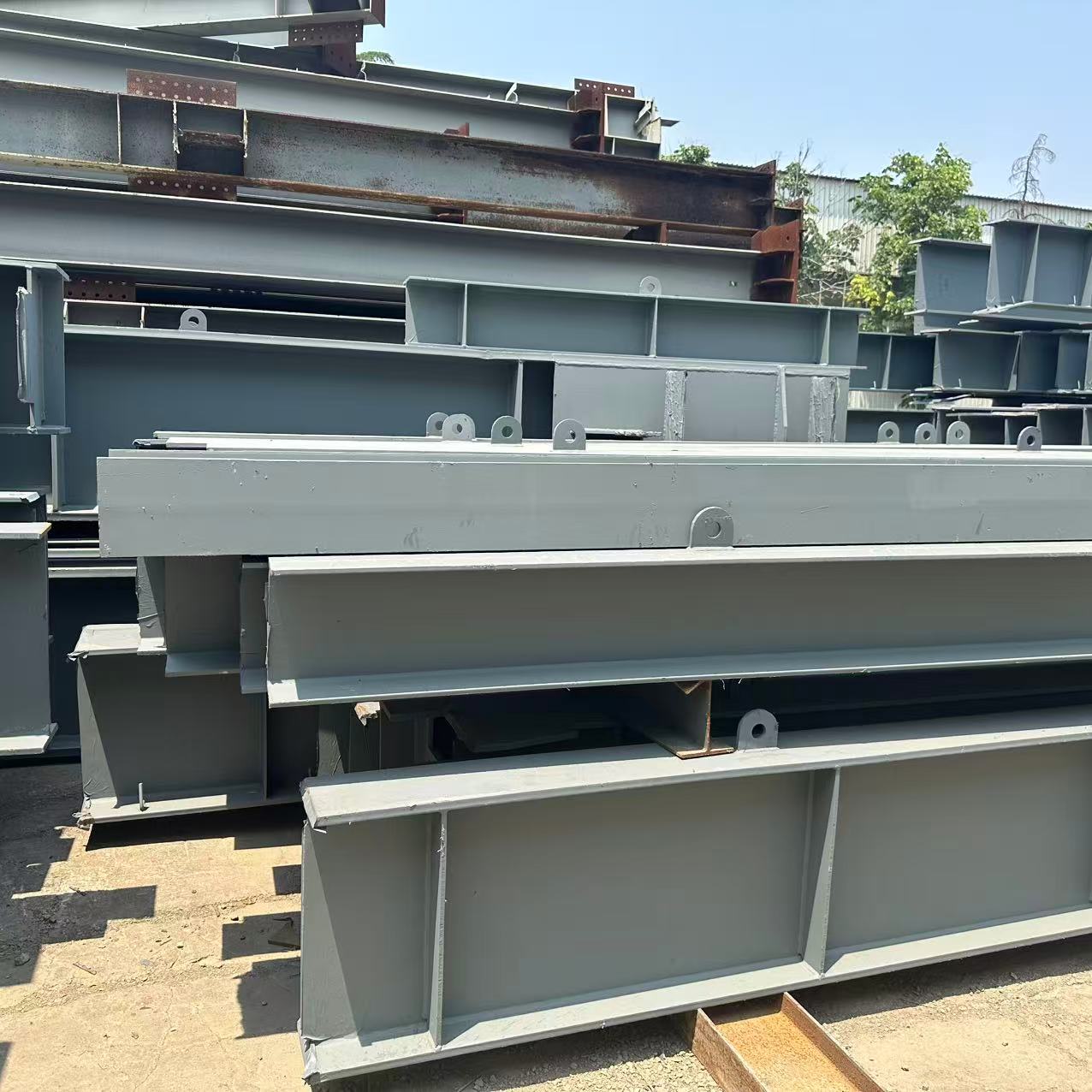
To better ensure the safety of your goods, professional, environmentally friendly, convenient and efficient packaging services will be provided. According to the characteristics of the product and the mode of transportation, fix it in the most appropriate and stable way to ensure that there will be no bumps, corrosion, scratches and other problems during transportation.
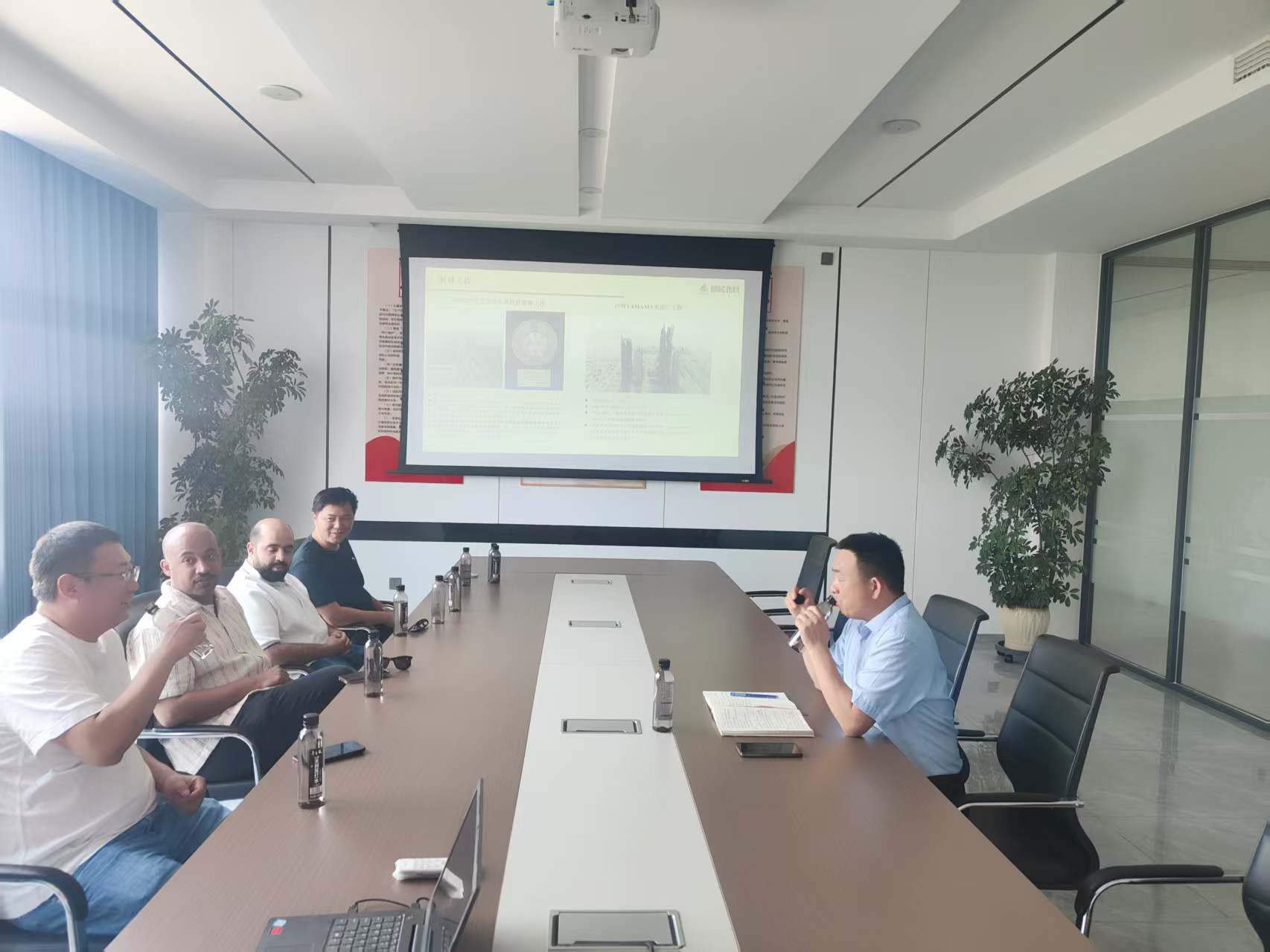
Customer visit
FAQ
Zhengcheng is a steel structure manufacturer and project service provider based in Shandong, China. We focus on customized steel structure buildings and fabricated steel components for industrial plants, warehouses, workshops, livestock buildings, parking structures, bridges, and overseas project applications. What makes us different is not only production capacity, but the way we support the whole project. Our factory team can handle steel cutting, welding, drilling, surface treatment, component marking, packing, and loading, while our engineering and service team helps review drawings, confirm technical details, control quality, and support installation communication after delivery. Before production, we help you clarify the scope, materials, standards, coating, packing method, and delivery schedule. After shipment, we continue to provide drawing support, installation guidance, and timely communication when your site team needs help.
We control quality from drawing review to final shipment, not only at the last inspection stage. Before production, our engineering team helps check drawings, material grades, dimensions, connection details, welding requirements, surface treatment, and packing needs. During fabrication, our factory team controls cutting, welding, drilling, assembly accuracy, bolt-hole position, component marking, and anti-corrosion treatment. Before shipment, we inspect the finished steel members, confirm quantities, check packing lists, take photos when needed, and arrange loading carefully to reduce damage and missing parts. For overseas projects, our service team can continue to support installation communication after delivery, including drawing clarification, component identification, and technical coordination when your site team needs help.
We supply customized steel structure buildings and fabricated steel components for overseas projects, including workshops, warehouses, industrial plants, multi-storey steel buildings, livestock houses, parking garages, bridge components, Bailey bridges, grid steel structures, villas, stairs, platforms, pipe racks, and related steel parts. Zhengcheng is not only a product supplier. Our factory team can handle cutting, welding, drilling, surface treatment, marking, packing, and loading, while our engineering and service team helps review drawings, confirm materials, control quality, and support installation communication after delivery. We can help you turn drawings or project requirements into a practical steel structure solution.
You should choose Zhengcheng because we combine factory manufacturing, engineering support, quality control, and after-sales service in one team. We do not only quote steel weight. Before production, we help review drawings, materials, standards, coating requirements, packing details, and delivery schedule. During fabrication, our factory team controls cutting, welding, drilling, assembly accuracy, component marking, and surface treatment. Before shipment, we check quantities, packing lists, finished components, and loading details to reduce missing parts and site delays. For overseas projects, our service team continues to support you after delivery, including drawing clarification, installation communication, and technical coordination when your site team needs help. This is why we can help you reduce risk, control quality, and make steel structure projects easier to deliver.
We provide more than steel structure products. At Zhengcheng, we can support your project from early technical communication to final delivery and after-sales coordination. Before production, our engineering team can help review drawings, confirm materials, check dimensions, discuss standards, coating requirements, packing method, and delivery schedule. During fabrication, our factory team handles cutting, welding, drilling, assembly, surface treatment, component marking, quality inspection, packing, and loading. After shipment, our service team can continue to provide drawing clarification, installation communication, component identification, and technical coordination when your site team needs support. For overseas projects, we can also cooperate with FOB, CFR, CIF, EXW and other delivery terms according to your project needs.
Please Contact Us
Product Recommendation
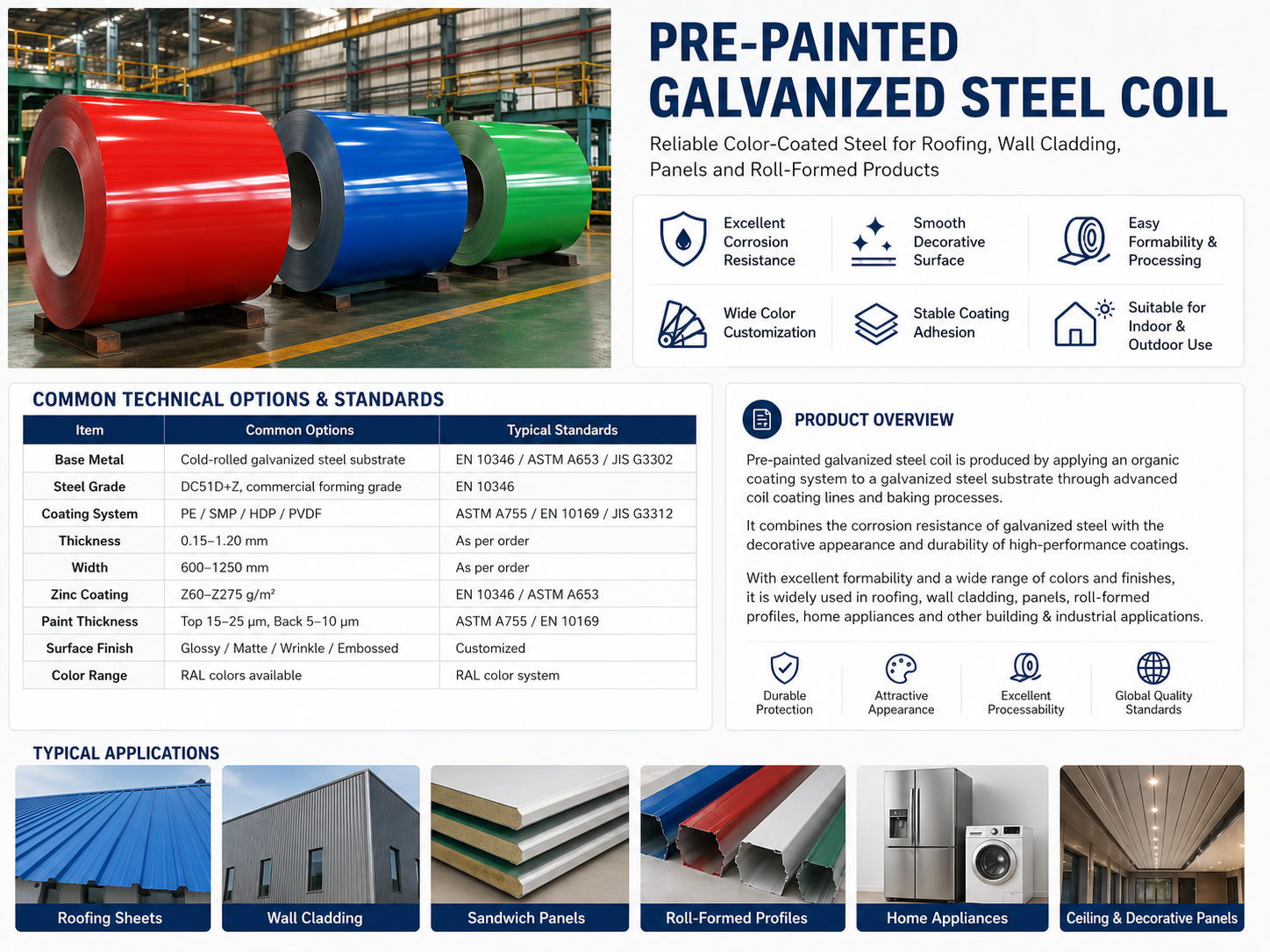
 Pre-Painted Steel Coil / PPGI CoilLearn More
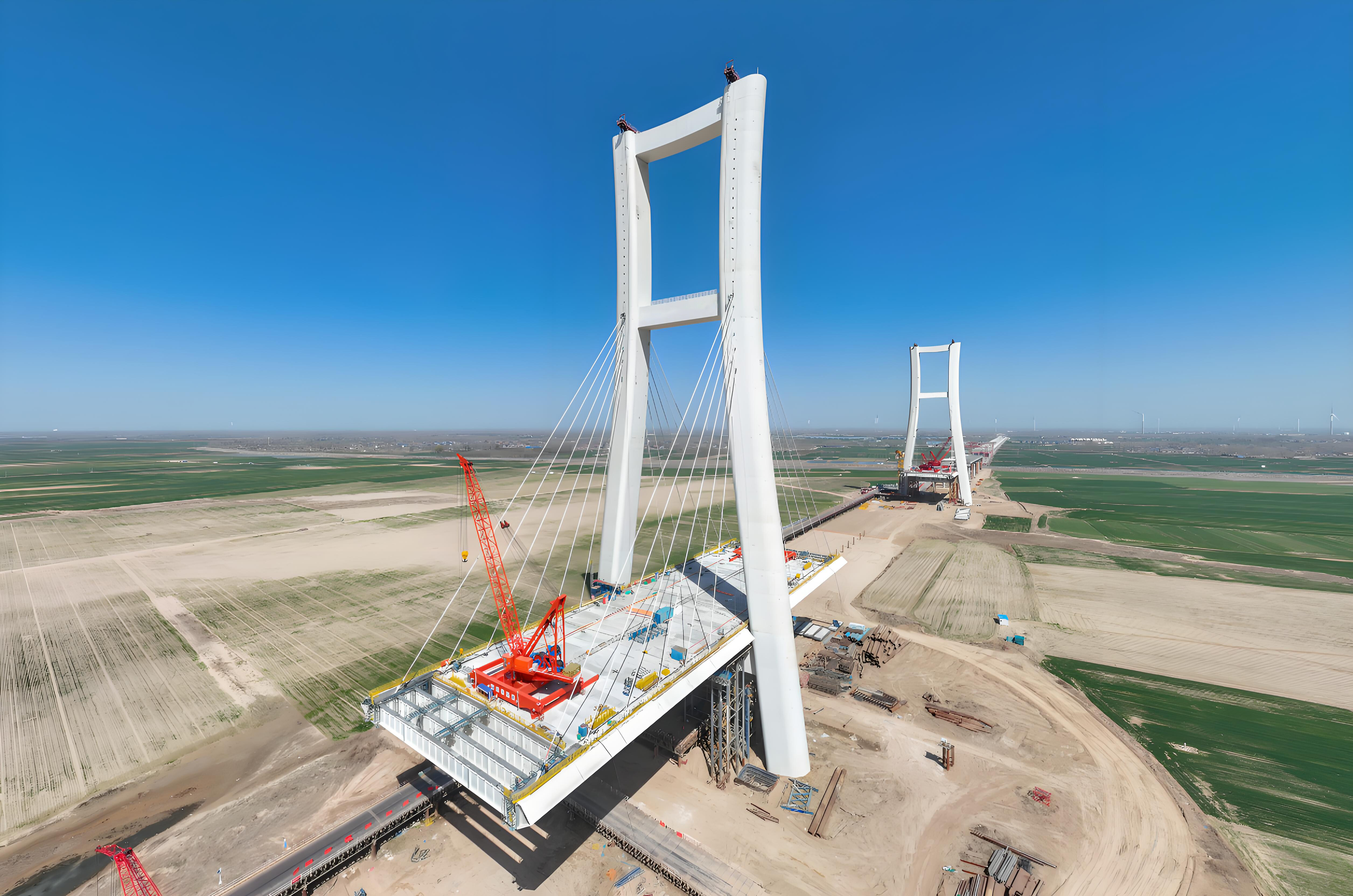
 Steel Highway Bridge Components and Fabricated Bridge Steel StructuresLearn More
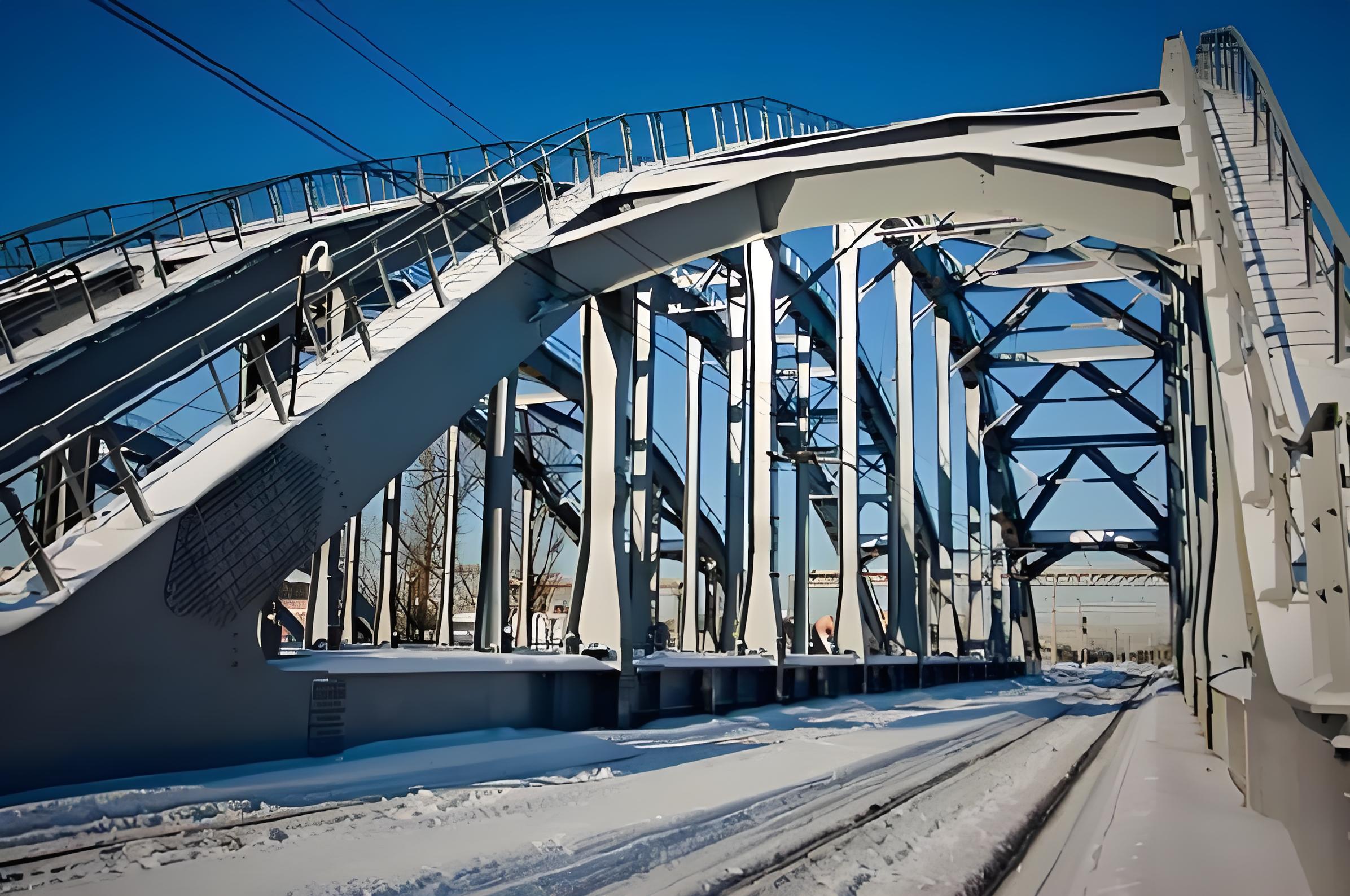
 Railway steel structure bridgeLearn More
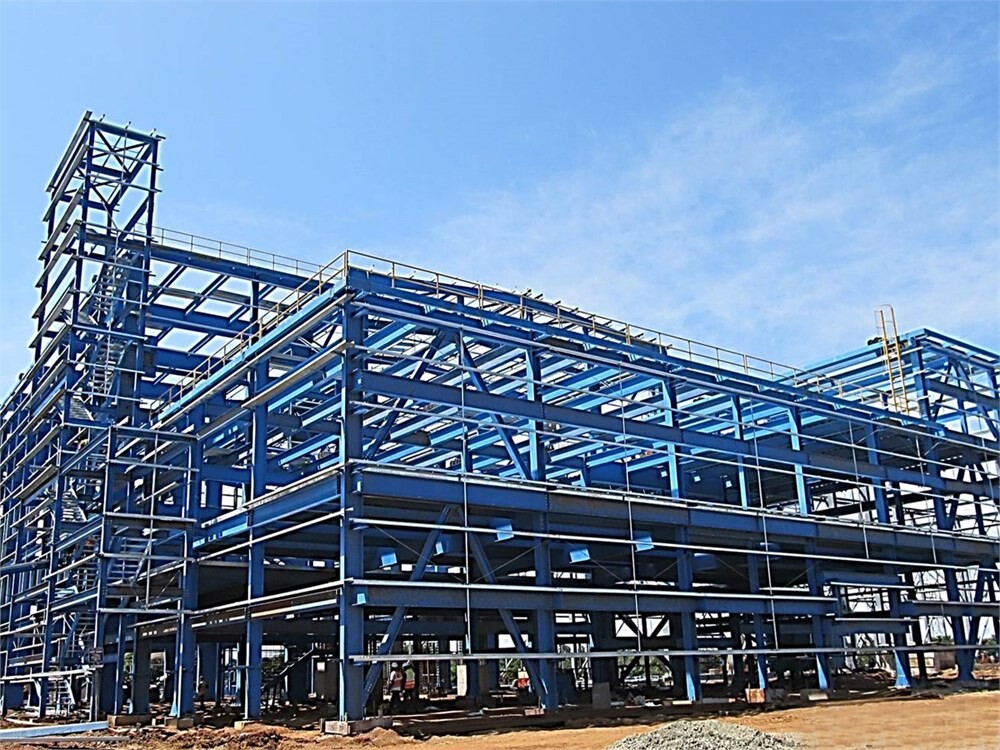
 Steel Structure for Power Plant Buildings and Industrial Energy FacilitiesLearn More
 DC51D Pre-Painted Galvanized Steel Coil for Roofing, Wall Cladding and Steel PanelsLearn More
 Pre-Painted Galvanized Steel Coil for Roofing, Wall Cladding and Steel PanelsLearn More
 S300GD+AZ Color Coated Corrugated Steel SheetLearn More
 S550GD+Z Color Coated Corrugated Steel SheetLearn More
 DC53D+Z Pre-Painted Galvanized Corrugated Steel SheetLearn More
 DC52D+Z Pre-Painted Galvanized Corrugated Steel SheetLearn More
 DC52D+Z Pre-Painted Galvanized Corrugated Steel SheetLearn More
 Pre-Painted Galvanized Corrugated Steel SheetLearn More