


News
▲
How After-Sales Service Impacts Long-Term Steel Structure Workshop Performance
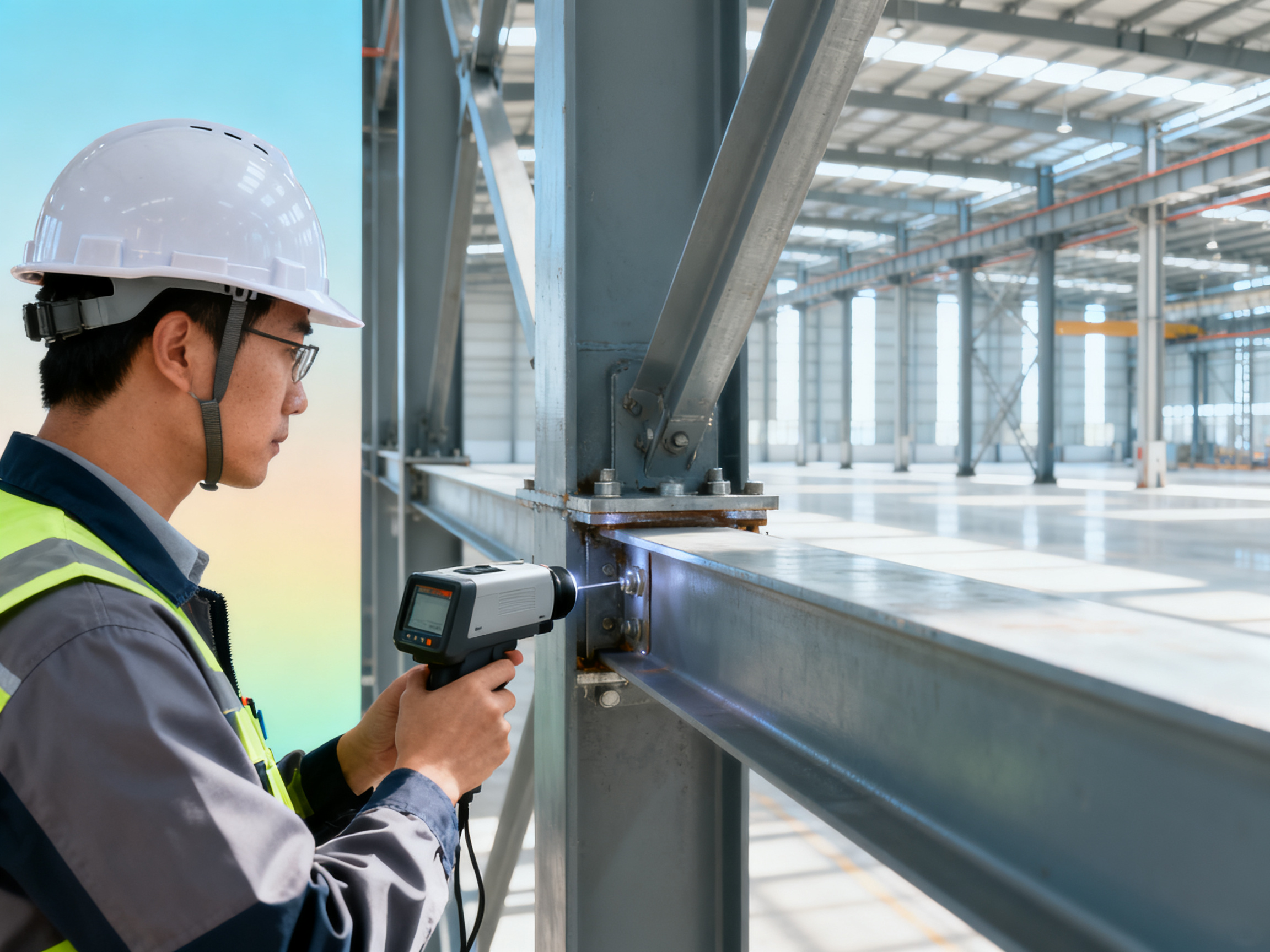
In the lifecycle of a steel structure workshop, after-sales service plays a decisive role in shaping long-term performance, durability, and operational safety. For decision-makers and technical evaluators, understanding how comprehensive maintenance, timely inspection, and professional support contribute to the overall value of a 钢结构厂房 is essential. With YG Steel Structure’s decades of manufacturing expertise, effective after-sales strategies transform short-term project delivery into sustainable structural excellence. This article will explore the significance of post-delivery service for steel facilities, practical cases, and key evaluation metrics that ensure every project achieves optimal operational results over years of use.
Definition and Overview of After-Sales Service in Steel Structure Workshops
After-sales service in the context of steel structure workshops refers to the systematic set of activities provided after the completion and delivery of the construction project. These activities include structural health inspections, maintenance scheduling, component replacement, corrosion protection, load testing, and documentation management. The function of after-sales service extends beyond technical maintenance—it represents a long-term partnership between the manufacturer and the project owner. For example, Shandong Yuegong Steel Structure Co., Ltd. (YG Steel Structure), leveraging its Class I Construction Qualification and Class A Design Certification, integrates service protocols that align with both GB50017 and EN1090 standards. This ensures that each 钢结构厂房 meets safety, energy efficiency, and sustainability targets across its usage lifecycle. In an industry where steel performance directly impacts production continuity and safety, after-sales service bridges the gap between engineering design and real-world performance. Decision-makers rely on these services to predict maintenance costs, evaluate long-term ROI, and minimize downtime risks caused by environmental stress or human factors. Therefore, the quality and continuity of after-sales support become part of the workshop’s total value proposition.
Market Overview and Long-Term Performance Trends
The global steel construction sector has evolved into a highly data-driven market that emphasizes both initial project efficiency and subsequent operational performance. In China’s construction materials industry, clients are increasingly attentive to the impact of extended maintenance and warranty services on productivity. The demand for high-performance 钢结构厂房 has expanded alongside industrial modernization, logistics expansion, and stricter safety regulations. YG Steel Structure’s expertise, rooted in more than twenty years of design and manufacturing, positions the company to anticipate these market demands effectively. Throughout recent years, advanced analytics have allowed manufacturers to predict material fatigue, corrosion rates, and deformation patterns with higher precision. By linking production data to after-sales analytics, service teams can recommend tailored upkeep solutions that prevent costly failures. Market data shows that enterprises investing in structured after-sales programs achieve up to 20% lower lifetime maintenance costs and 30% increased structural durability compared to those without professional service systems. This correlation emphasizes that after-sales support is not a peripheral benefit—it is a major performance determinant for every industrial workshop. Additionally, policy trends in sustainable development and green construction incentivize companies that employ certified maintenance programs, which further enhances their reputation and competitiveness.
Technical Performance and Inspection Dimensions
When evaluating steel structure workshop performance, technical parameters play a defining role in determining service quality. A robust after-sales service system typically includes four main dimensions: structural integrity assessment, anti-corrosion treatment effectiveness, joint stability, and load-bearing consistency. YG Steel Structure incorporates advanced ultrasonic and magnetic particle inspection technologies that allow rapid detection of micro-cracks before they escalate into system-wide issues. Using data collected from digital monitoring systems, service engineers create predictive maintenance models tailored to each 钢结构厂房’s geographic and operational environment. For facilities exposed to marine or industrial pollutants, maintenance intervals are adjusted based on coating system resistance and temperature fluctuation analysis. The company’s 100,000㎡ production base allows component standardization and part traceability—critical for ensuring that replacement or retrofit components meet the same quality benchmarks as original installations. Moreover, after-sales service extends into flexibility upgrades, such as retrofitting roof systems to integrate solar components or improving ventilation to meet new safety codes. These technical enhancements not only prolong service life but also enhance the workshop’s integration with modern industrial automation systems, aligning with Industry 4.0 transformation needs.
Comparison Analysis: Traditional Maintenance vs. Integrated After-Sales Systems
Historically, many steel structure workshop owners adopted reactive maintenance models—only addressing issues after structural symptoms appeared. Although this model seems cost-saving initially, it exposes businesses to high emergency repair costs, insurance complexities, and production downtime. In contrast, integrated after-sales approaches, such as those offered by YG Steel Structure, enable predictive maintenance frameworks and proactive risk control. To better understand this contrast, consider the following comparison:
This contrast shows that proactive service models not only enhance safety but also bring traceable long-term benefits for management. Technical evaluators appreciate traceable maintenance histories, while procurement teams can quantify service ROI with improved accuracy. Implementing integrated after-sales programs builds confidence among project stakeholders and aligns performance outcomes with regulatory compliance goals such as ISO9001 and ISO3834 standards, essential for heavy structural fabrication.
Procurement Guide: Evaluating After-Sales Competence
For buyers and decision-makers, choosing the right partner for a 钢结构厂房 project should include comprehensive evaluation of after-sales capabilities. A scientific procurement process considers not only price, specification, and lead time but also the lifecycle service model offered by suppliers. Here are key procurement indicators for evaluating service competence:
- Certification Strength: Verify the supplier’s design and construction qualifications; YG Steel Structure holds top-grade national credentials ensuring design and service consistency.
- Maintenance Planning: Evaluate the availability of post-installation inspection protocols, spare parts inventory, and skilled on-site engineers.
- Data Integration: Assess whether the supplier can provide digital maintenance tracking and documentation compatible with BIM models.
- Response Speed: Check the average service response time during warranty and post-warranty phases.
- Customer Feedback and Case Studies: Request real project references showcasing proven performance improvements after regular service interventions.
Case Studies: Enduring Performance through Professional Service
A practical example involves an industrial processing plant in Eastern China that partnered with YG Steel Structure for a large-scale 钢结构厂房 project. Five years after completion, the client reported zero safety incidents and consistent load performance. The success stemmed from a structured after-sales inspection and multi-year service agreement covering anti-rust coating refresh, joint tightening, and roof drainage optimization. Another case involves a municipal logistics center where environmental humidity created challenges for steel preservation. Through remote monitoring and annual audits, YG Steel Structure technicians identified early signs of coating wear and executed targeted maintenance before corrosion could spread. Both cases illustrate how the after-sales cycle transforms one-time construction tasks into long-term value creation. Clients gained measurable improvements: reduced risk exposure, stable environmental compliance, and predictable maintenance budgeting. These practical outcomes reinforce that after-sales engagement is a strategic investment—not merely an afterthought—within today’s competitive steel construction landscape.
Trends & Future Outlook of Steel Workshop Sustainability
Looking forward, the integration of intelligent sensors, AI-driven maintenance algorithms, and automated inspection drones will redefine the future of 钢结构厂房 service management. Smart maintenance ecosystems will allow real-time evaluation of stress distribution and deformation, reducing human error and inspection time. Worldwide, governments are encouraging resilient infrastructure through energy-efficient steel design and circular material utilization. As YG Steel Structure actively participates in the China Steel Construction Society, the company contributes to research frameworks supporting sustainable innovations and digital transformation across the industry. In the coming decade, automated predictive maintenance is expected to cut lifecycle maintenance expenses by 25% while improving environmental compliance through reduced waste. The convergence of technology and service will turn after-sales departments into strategic data centers rather than simple repair divisions. Enterprises embracing this transformation can expect a new benchmark in performance and reliability, extending the lifecycle of every structure now under operation and shaping a more sustainable industrial future.
Why Choose YG Steel Structure
Selecting a reliable partner for long-term industrial performance means more than comparing design blueprints; it involves choosing a company with proven expertise in life-cycle management. YG Steel Structure integrates world-class production capacity, precision equipment, and qualified design teams that implement holistic after-sales frameworks. The company’s capability of producing 50,000 tons of diversified steel components annually ensures manufacturing flexibility even for complex or critical infrastructure. Customers collaborating on Specialized Facilities experience consistent service standards from blueprint confirmation through maintenance documentation. Each engagement underscores commitment to safety, efficiency, and innovation. For technical evaluators, procurement teams, and executive decision-makers, this combination provides measurable risk reduction and asset stability. By transforming after-sales service from a passive obligation into an engineered system, YG Steel Structure expands the practical lifespan and reliability of every steel structure workshop it delivers, supporting our clients’ vision for long-term industrial growth and operational excellence.
Related Posts
- ▶ How to Select the Best Steel Structure for Your Needs
- ▶ Light Steel Structures: Perfect for Fast-Track Projects
- ▶ Prefab Buildings: The Future of Sustainable Construction?
- ▶ Steel vs. Traditional Warehouses: Cost-Benefit Analysis for Procurement Teams
- ▶ Steel Structures: Meeting Client Demands with Precision
- ▶ 5 Signs You Need a High-Quality Steel Structure Supplier
Send Us A Message