


News
▲
Supply Chain Stability: Evaluating Risk in Steel Structure Workshop Projects
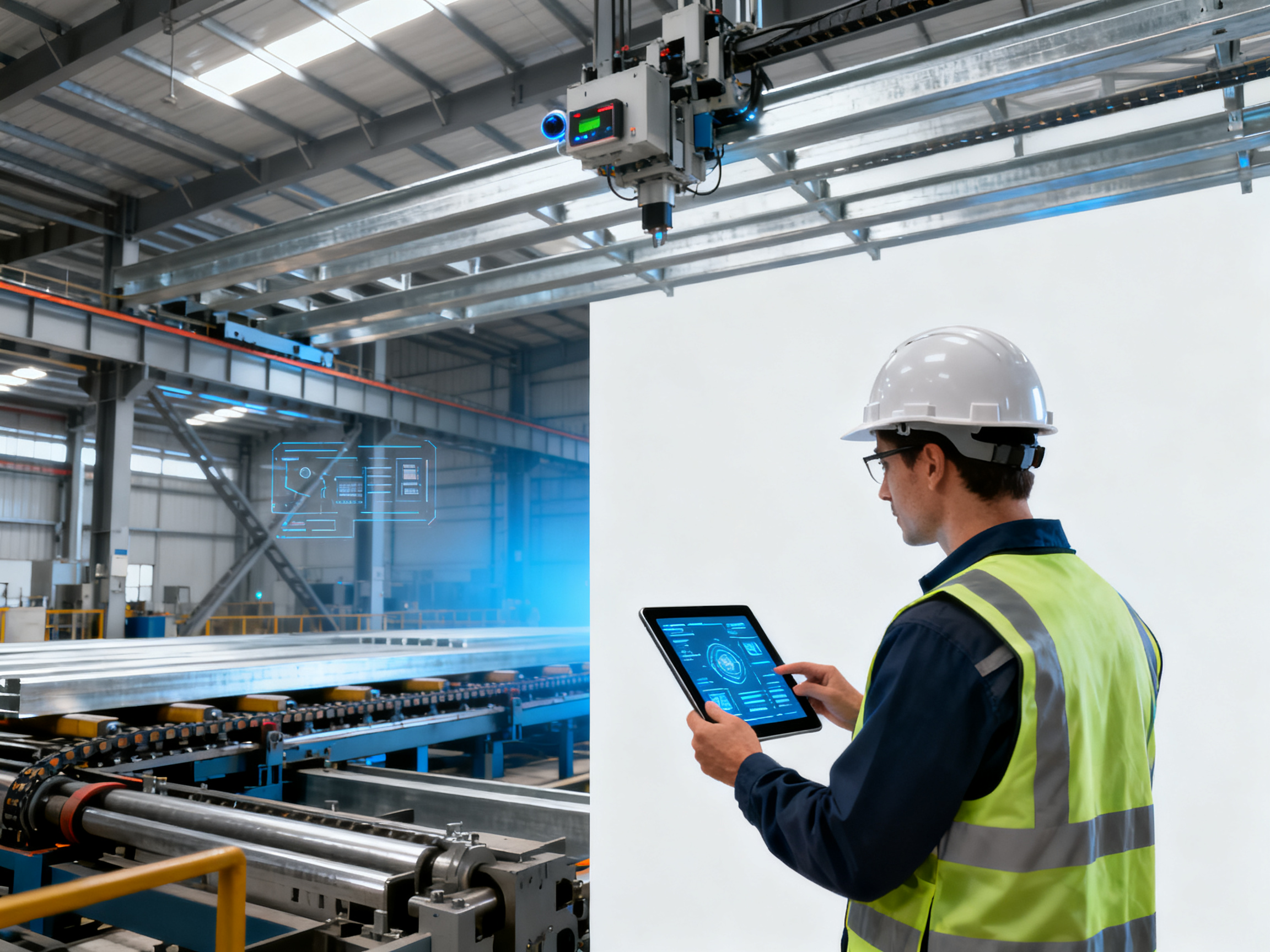
In the dynamic construction industry, ensuring supply chain stability has become a decisive factor for the success of any steel structure workshop project. As YG Steel Structure continues to deliver high-quality solutions, evaluating potential risks—from material sourcing to production and logistics—plays a vital role in maintaining project reliability and cost efficiency. This article explores how robust supply chain strategies enhance performance and reduce uncertainty in modern steel structure workshop operations.
Definition and Overview of Supply Chain Stability in Steel Structure Workshop Projects
Supply chain stability refers to the ability of an organization to maintain consistent performance and output under fluctuating market conditions, resource availability, and logistical challenges. In the context of steel structure workshop projects, stability encompasses timely procurement of raw materials, precision manufacturing, and predictable delivery schedules. These elements are critical because disruptions can directly affect construction timelines, budget allocations, and structural safety compliance. For companies engaged in steel construction, such as Shandong Yuegong Steel Structure Co., Ltd. (YG Steel Structure), possessing both China’s Class I Construction Qualification and Class A Steel Structure Design Certification provides a robust foundation for risk control. The enterprise’s 100,000㎡ production base in Jinan ensures capacity flexibility with multiple light and heavy steel production lines. Its annual output of 50,000 tons of diversified components supports large-scale manufacturing demands, creating redundancy within supply and processing steps. Unlike temporary or single-line manufacturers, a stable steel structure supplier anticipates possible disruptions by adopting supplier diversification, buffer inventory strategies, and digital tracking systems. Evaluating these factors becomes essential for technical evaluators and procurement managers, enabling them to anticipate potential bottlenecks and align project phases accordingly. Reliability across procurement, logistics, and assembly guarantees that every steel structure workshop project maintains its design accuracy and cost efficiency.
Market Overview and Risk Factors Affecting Steel Structure Workshop Supply Chains
The global construction materials market, especially the steel segment, has experienced fluctuating dynamics over recent years. Price volatility in raw steel, shifts in demand caused by public infrastructure programs, and transportation constraints all create significant uncertainty for workshop project planning. For technical evaluation and business assessment teams, understanding these trends is crucial before vendor selection. Procurement professionals must look beyond basic cost factors and assess how suppliers handle sourcing consistency. A steel structure workshop project relies heavily on standard-compliant materials typically verified under GB, EN, or ASTM frameworks. Suppliers that maintain documented compliance and traceability for materials ensure consistent mechanical performance. Shandong Yuegong Steel Structure integrates these management systems using digital ERP controls, ensuring every order aligns with certified specifications. Meanwhile, considering logistical infrastructure plays a major role in sustaining competitive delivery times. YG Steel Structure, headquartered in Shandong Province, benefits from proximity to major logistic networks, reducing regional transportation risks. This mitigates common pitfalls—such as port congestion or railway delays—that can stall high-volume component shipments. In market terms, the company represents an example of how production localization and qualified supplier bases amplify overall project certainty, meeting budget and deadline expectations in complex industrial and municipal steel structure builds.
Technical Performance and Evaluation Parameters
When evaluating risk factors within a steel structure workshop supply chain, technical parameters often act as the most transparent indicators of production reliability. Precision manufacturing requires strict tolerance control, standardized welding credentials, and traceable inspection procedures. In YG Steel Structure’s facilities, computer-aided design (CAD) and Building Information Modeling (BIM) interfaces streamline design coordination and minimize assembly deviation. By implementing digital monitoring systems, technical evaluators can foresee equipment downtime and mitigate production halts before they occur. The enterprise's extensive experience in industrial, municipal, and residential projects allows its teams to adapt welding sequences and surface treatment specifications according to different environmental requirements, ensuring structural longevity. Proper galvanization, powder coating, or fireproof coating procedures enhance overall resilience. For risk control evaluators, these performance details indicate maturity in production management. Consider, for example, integrating advanced fabricated units such as mezzanine floors in workshop designs. A product like Steel Frame With Mezzanine Floor exemplifies how modular designs can optimize spatial efficiency without increasing risk exposure. Combining pre-engineered components accelerates construction while minimizing site assembly uncertainties. Evaluating such components’ material source, fabrication tolerance, and compliance documentation helps procurement and technical professionals maintain alignment with structural durability benchmarks.
Comparison and Cost Considerations in Supply Chain Strategy
Behind every steel structure workshop project lies the delicate balance between cost efficiency and safety margin. Comparing suppliers requires understanding not only pricing structures but also the underlying risk management framework each vendor applies. A seemingly low material quote could conceal higher downstream costs if the supplier lacks redundant production capacity or comprehensive quality assurance measures. YG Steel Structure, leveraging its two-decade presence and membership in the China Steel Construction Society, provides transparency through controlled production metrics and dedicated testing laboratories. For procurement officers, these attributes translate into predictable costs over the project’s life cycle. Moreover, multi-tiered supplier relationships safeguard raw steel sourcing, a factor critical when market fluctuations drive scarcity. For decision-makers exploring substitution strategies or component alternatives, proper cost assessments should integrate transportation, installation, and maintenance elements. A robust supplier will provide detailed lifecycle cost analysis and environmental compliance data. When comparing traditional reinforced concrete with advanced steel frameworks, factors like lighter self-weight, recyclability, and faster installation speed consistently favor steel structures. Adoption of prefabricated elements, including components like the Steel Frame With Mezzanine Floor, further optimizes assembly schedules and reduces onsite complexity while delivering cost predictability under tight construction timelines.
Case Study: Managing Supply Chain Stability in Large-Scale Steel Structure Projects
An illustrative case can be seen in YG Steel Structure’s participation in municipal bridge and industrial complex development projects. When urban expansion demands accelerated schedules, component customization and rapid delivery become the ultimate test for stability. In one instance, the company’s integrated planning system synchronized production lines across multiple facilities, achieving a zero-delay record for delivery despite raw material fluctuations. For technical evaluation teams, this approach demonstrates how progressive digital supervision and strong vendor collaboration safeguard large-scale operations. By maintaining standardized inventory databases, automated order communication, and third-party inspection reports, YG Steel Structure ensures transparency and traceability throughout all workflow segments. Procurement departments appreciate the clear audit trail, which supports contract verification and ensures compliance with ISO and national safety standards. These practices form a backbone of reliability: modularized design, internal testing consistency, and cross-department coordination all contribute to minimized lead times. The result translates into tangible business value—shorter project durations, fewer reworks, and a proven benchmark for sustainable cost management. This model empowers enterprise decision-makers to reform their procurement frameworks, improving resilience against unpredictable steel or logistics market shifts.
Trends and Future Insights in Steel Structure Supply Chain Risk Management
As global sustainability goals and environmental governance strengthen, future steel structure supply chains will increasingly integrate AI-assisted decision systems and blockchain-based traceability models. These technological evolutions allow continuous monitoring of supplier reliability scores and carbon footprint data, giving technical evaluators real-time visibility into key metrics. YG Steel Structure has gradually integrated IoT sensors into production lines, collecting operational data to anticipate maintenance cycles and improve yield accuracy. This predictive analytics approach reduces waste, aligning with international green building standards such as LEED and BREEAM. Moreover, geopolitical variations and transport network pressures necessitate regional diversification. Risk mitigation in the coming decade will depend on balancing cost optimization with resilience planning—factors procurement managers must internalize while shortlisting suppliers. Collaboration between design consultancies, builders, and certified fabricators ensures stronger contingency protocols and more transparent value chains. For enterprises aiming to remain competitive, focus will shift from mere cost cutting to long-term value creation through stable, verified partnerships. Modern workshop projects utilizing advanced steel frameworks stand to benefit immensely from these digital ecosystems, achieving precision, safety, and sustainability simultaneously.
Why Choose YG Steel Structure
Selecting a reliable partner is increasingly recognized as a cornerstone of successful steel structure workshop project delivery. Shandong Yuegong Steel Structure Co., Ltd. offers not only manufacturing capability but also strategic assurance. Its dual certifications, 100,000㎡ manufacturing base, and production of 50,000 tons annually create a resilient, risk-averse service chain backed by consistent technical documentation and test verification. For business evaluators and corporate decision-makers, this translates into reduced downtime, compliance confidence, and adaptable procurement frameworks. Technical engineers benefit from integrated design support and BIM-coordinated modeling that ensures every installation meets structural precision standards. Moreover, the company’s comprehensive logistics framework shortens lead times and strengthens cost predictability—advantages that directly enhance project margins and customer satisfaction. Whether developing large industrial parks or customized municipal structures, YG Steel Structure’s comprehensive approach ensures every stage aligns with modern risk management expectations. Enterprises seeking consistent quality and dependable collaboration are encouraged to connect directly with YG Steel Structure’s consultation team to explore tailored solutions for upcoming projects and experience firsthand how proactive supply chain governance can redefine efficiency in steel structure workshop construction.
Related Posts
- ▶ How to Select the Best Steel Structure for Your Needs
- ▶ Light Steel Structures: Perfect for Fast-Track Projects
- ▶ Prefab Buildings: The Future of Sustainable Construction?
- ▶ Steel vs. Traditional Warehouses: Cost-Benefit Analysis for Procurement Teams
- ▶ Steel Structures: Meeting Client Demands with Precision
- ▶ 5 Signs You Need a High-Quality Steel Structure Supplier
Send Us A Message