


News
▲
Top 5 Factors to Consider When Evaluating Steel Structure Warehouse Suppliers
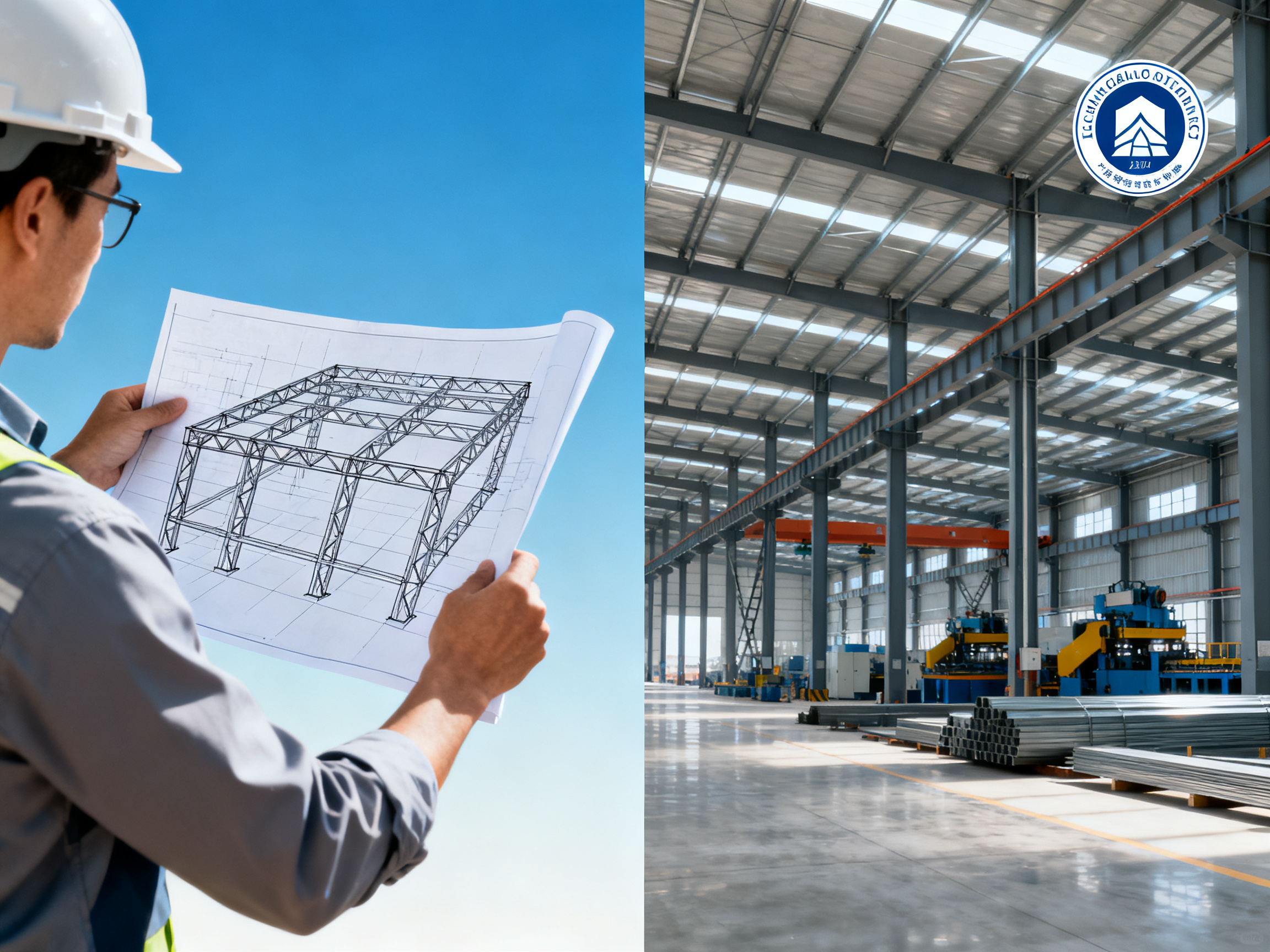
Selecting the right steel structure warehouse supplier is critical for project success. As technical evaluators, procurement specialists, and decision-makers, you need partners with proven expertise, quality certifications, and scalable production capacity. Shandong Yuegong Steel Structure combines 20+ years of industry experience with Class I Construction Qualification and 50,000-ton annual output to deliver reliable prefabricated solutions for industrial and commercial applications.
1. Technical Certifications and Compliance Standards
When evaluating steel structure warehouse suppliers, the first checkpoint should always be their technical certifications and compliance with international construction standards. Reputable manufacturers like Shandong Yuegong Steel Structure hold China's Class I Construction Qualification and Class A Steel Structure Design Certification – benchmarks that validate their engineering capabilities. These credentials ensure adherence to ISO 9001 quality management systems, GB/T 19001 production standards, and seismic resistance requirements critical for industrial warehouses. Procurement teams must verify:
- Third-party certification reports for material tensile strength (typically Q235B/Q355B steel)
- Fireproofing and anti-corrosion treatment compliance (ASTM A123/A123M for galvanization)
- Non-destructive testing records for welded joints (UT/RT/MT methods)
- Load-bearing calculations meeting EN 1993 or GB 50017 standards
For specialized applications like Steel Structure Cattle Shed / Cow Barn (Customizable)/Commercial Beef Cattle Housing, additional certifications for ventilation design and livestock safety regulations may apply. Always request project-specific documentation rather than generic company profiles.
2. Production Capacity and Supply Chain Reliability
A supplier's manufacturing infrastructure directly impacts project timelines and quality consistency. Evaluate their production base scale (like YG Steel Structure's 100,000㎡ facility), equipment automation levels, and raw material sourcing networks. Key indicators include:
Seasoned project managers prioritize suppliers with vertical integration – from steel plate processing (CNC cutting, shot blasting) to final anti-rust painting. This eliminates subcontracting risks that often cause quality deviations.
3. Design Engineering Capabilities
Beyond manufacturing, your steel structure warehouse supplier should demonstrate robust design engineering competencies. Look for:
- BIM Integration: 3D modeling capabilities using Tekla Structures or AutoCAD for clash detection
- Wind/Snow Load Analysis: Region-specific calculations per EN 1991 or ASCE 7 standards
- Value Engineering: Optimized steel usage without compromising structural integrity
YG Steel Structure's membership in China Steel Construction Society reflects their active participation in advancing structural engineering best practices. For specialized structures like cattle barns, ensure the supplier understands functional requirements such as:
- Sloped roof designs for rainwater drainage
- Ventilation-to-floor area ratios (minimum 1:4 for livestock)
- Column-free spans exceeding 20m for operational flexibility
4. Project Portfolio and Industry Experience
A supplier's completed projects serve as tangible proof of their expertise. Request case studies that demonstrate:
- Scale Diversity: Projects ranging from 500㎡ workshops to 50,000㎡ logistics hubs
- Geographic Reach: Experience in your target region's climate conditions
- Sector Specialization: Industrial warehouses, cold storage facilities, or agricultural buildings
For example, completed Commercial Beef Cattle Housing projects should show proper sanitation considerations like slatted floors and feed alley designs. Always ask for:
- Client references with contactable project managers
- Time-lapse construction videos
- Post-installation inspection reports
5. After-Sales Support and Warranty Terms
The supplier relationship shouldn't end at delivery. Evaluate their commitment to long-term structural performance through:
- Warranty Coverage: Minimum 10 years for main structures, 2 years for coatings
- Maintenance Guidance: Provided corrosion inspection schedules
- Technical Support: On-call engineering assistance
Leading suppliers like YG Steel Structure often provide digital O&M manuals with QR code tracking for each component – a practice that streamlines future maintenance.
Conclusion: Partnering for Structural Excellence
Selecting a steel structure warehouse supplier requires multidimensional evaluation – from technical certifications to lifecycle support. Shandong Yuegong Steel Structure's Class I Construction Qualification, 50,000-ton production capacity, and two decades of industry leadership position them as a reliable partner for complex projects. Their expertise extends beyond standard warehouses to specialized structures including livestock facilities and municipal buildings.
For project-specific consultations or to discuss your upcoming steel structure requirements, contact our engineering team today. Let's build durable, code-compliant facilities that stand the test of time.
Related Posts
- ▶ How to Select the Best Steel Structure for Your Needs
- ▶ Light Steel Structures: Perfect for Fast-Track Projects
- ▶ Prefab Buildings: The Future of Sustainable Construction?
- ▶ Steel vs. Traditional Warehouses: Cost-Benefit Analysis for Procurement Teams
- ▶ Steel Structures: Meeting Client Demands with Precision
- ▶ 5 Signs You Need a High-Quality Steel Structure Supplier
Send Us A Message